



The Equilibrio Gazette
A brief buletin for building safe workspaces!
21st November 2025 | Issue No. 108
Upcoming Events
Mark your calendars! In this section, we highlight an upcoming event you won't want to miss.

In the Spotlight!
Explore ways to build your knowledge and capacity with our team of in-house experts!
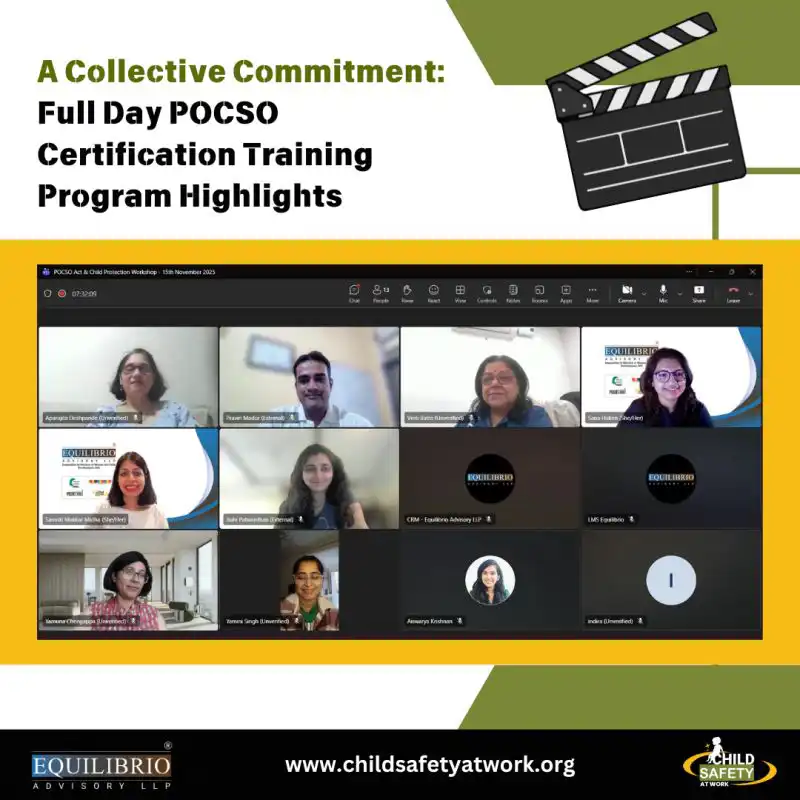
Our full-day POCSO Certification Training ended with gratitude — thank you to each participant for your trust and commitment to child safety. 💛 Facilitated by Samriti Makkar Midha and Sana Hakim, we’re honoured to support organisations building safer spaces. Want to upskill or collaborate?
Reach us at connect@equilibrioadvisory.org
+91 84478 27471.
Stay Current!
~ Spotlighting Landmark Judgments since passing of the Law!
I - LEGAL UPDATES






II - Exploring Intersections

Engage with us!
Here's your weekly food for thought through a Fun Fact or Quiz.
Did you know the word “neurodivergent” grew out of the late-1990s neurodiversity movement? It was popularized by Australian sociologist Judy Singer in her 1998 honours thesis — to describe people whose neurology diverges from what’s considered typical (neurotypical), according to the medical model of psychiatry. This word helped to clinical diagnoses like autism, ADHD, dyslexia, and others as natural forms of human variation rather than solely medical deficits. Gradually, the term spread through autistic self-advocacy groups and online communities in the 1990s–2000s and is now widely used in advocacy, research, and inclusion work.
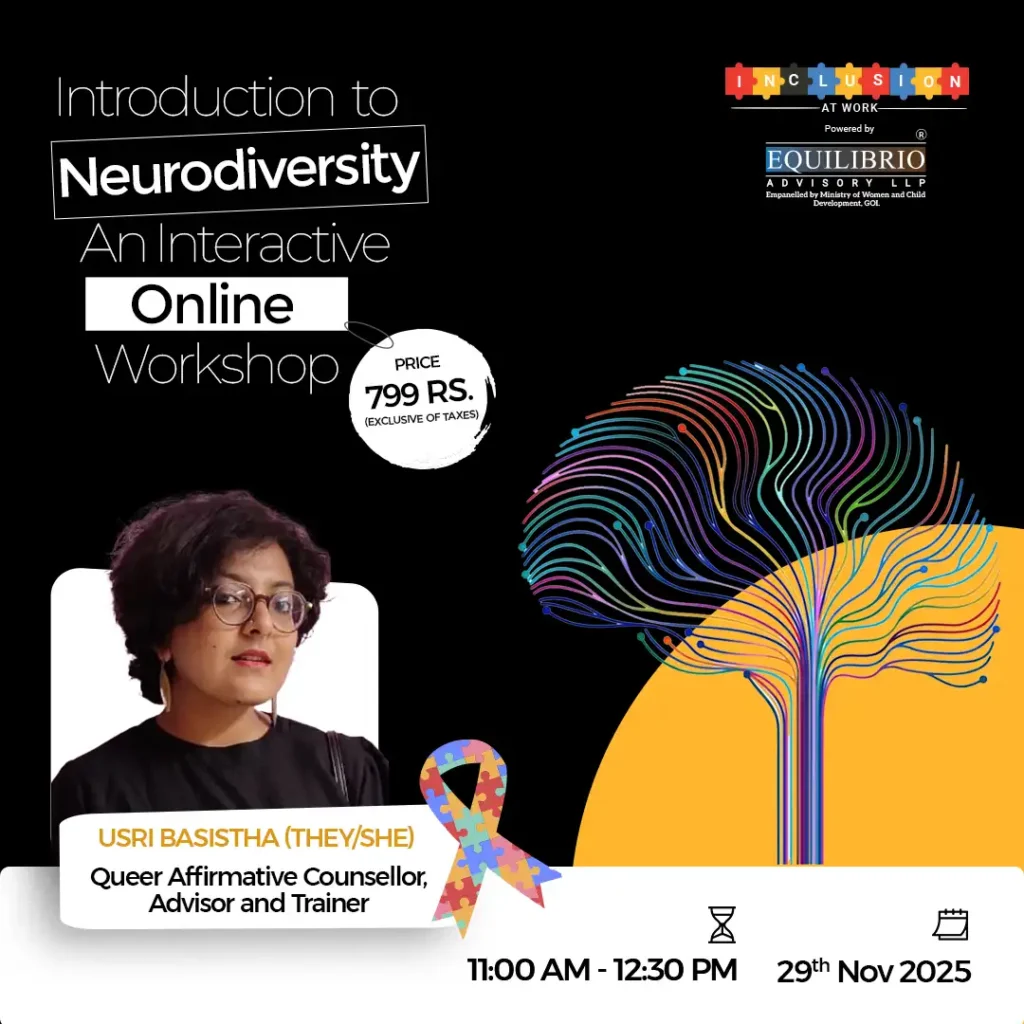
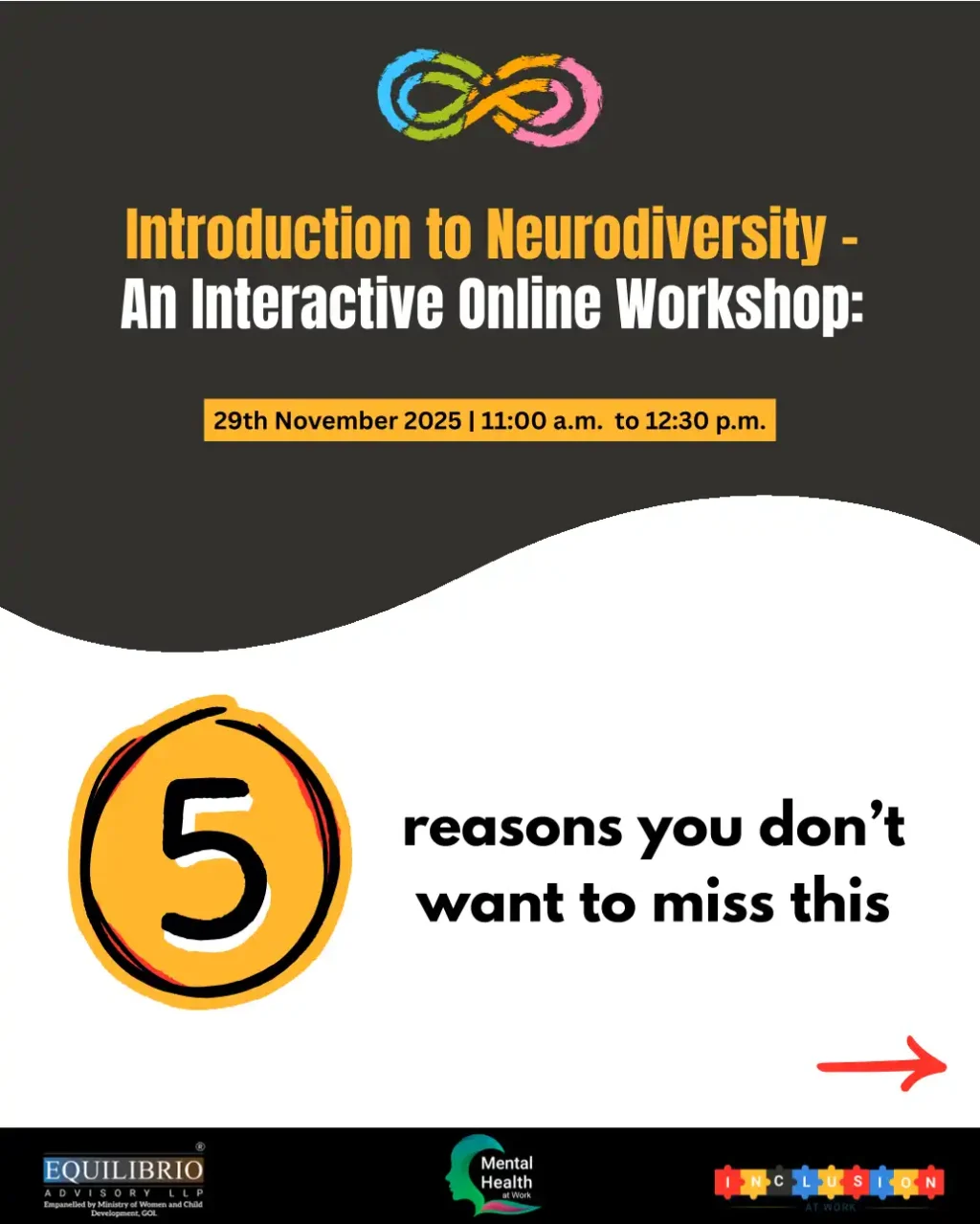
Are you new to the neurodiversity space and want to learn more?
Then register for our workshop here.

Have a burning question about POSH? Maybe Mental Health at Work, Child safety or DEI&B strategies? Drop us an email with your query and we would love to answer it, in all seriousness.
Curious Cat: What does a neuro-affirmative approach mean and how can I follow it?
Answer: A neuro-affirmative approach treats neurological difference (autism, ADHD, dyslexia, etc.) as a valid form of human variation rather than a deficit. This approach centers the self‑identified needs and dignity of neurodivergent people, and prioritizes consent, strengths-based supports, and environmental or social accommodations over trying to “normalize” or fix behaviour.
A few simple steps can be taken to follow it:
1) listen to and defer to neurodivergent people’s lived experience and preferred language;
2) co-design supports and goals with the individual (collaborative planning and informed consent);
3) remove sensory and social barriers through practical accommodations (environmental changes, predictable routines, clear communication);
4) focus on skills, access, and wellbeing rather than suppression of natural differences; and
5) provide trauma‑informed, culturally aware, and individualized supports while advocating for systemic access and inclusion.
Are you looking to make your individual enterprise or company neuro-affirmative? Then register for our workshop to begin your journey.