

The Equilibrio Gazette
A brief buletin for building safe workspaces!
19th December 2025 | Issue No. 112
Upcoming Events
Mark your calendars! In this section, we highlight an upcoming event you won't want to miss.
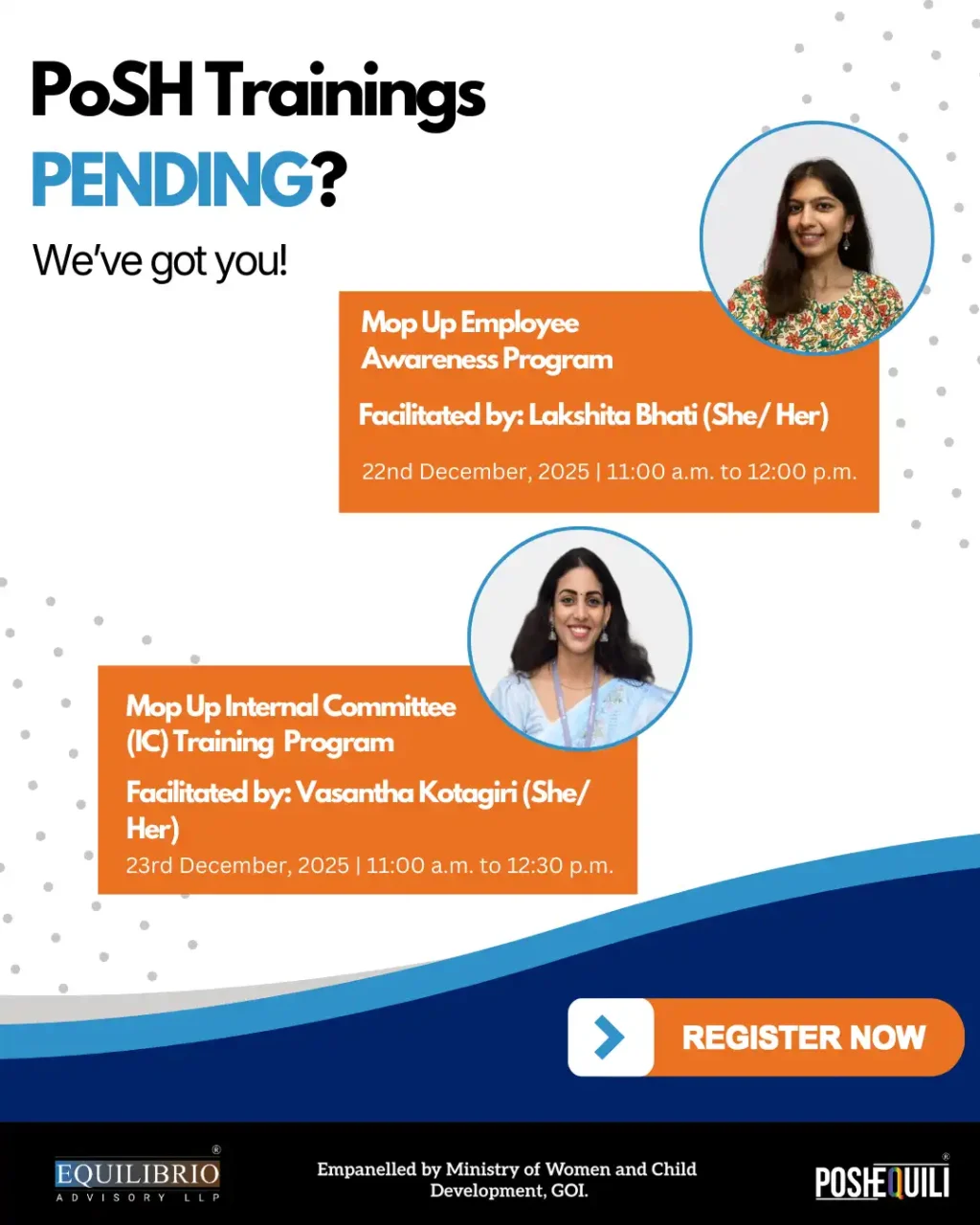
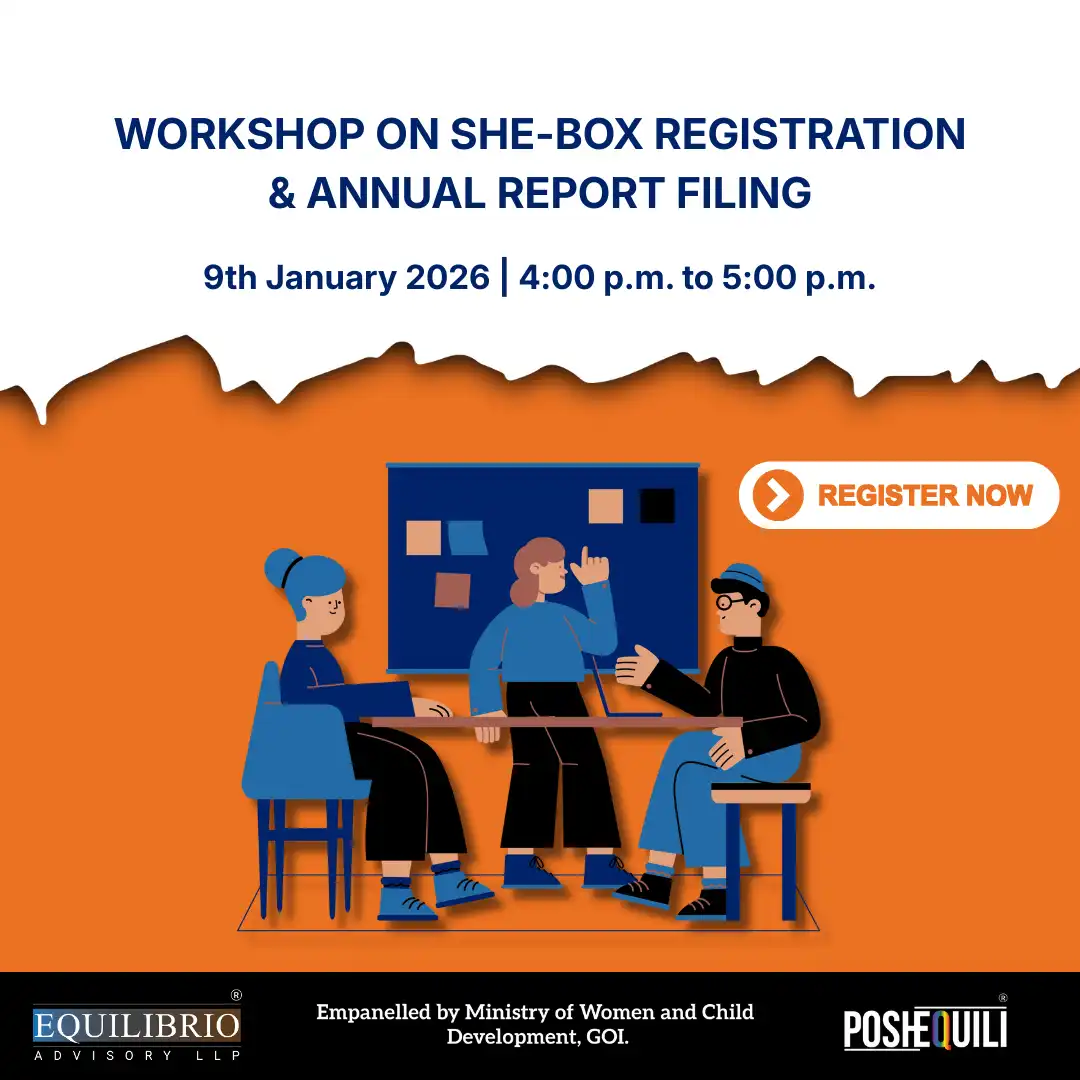
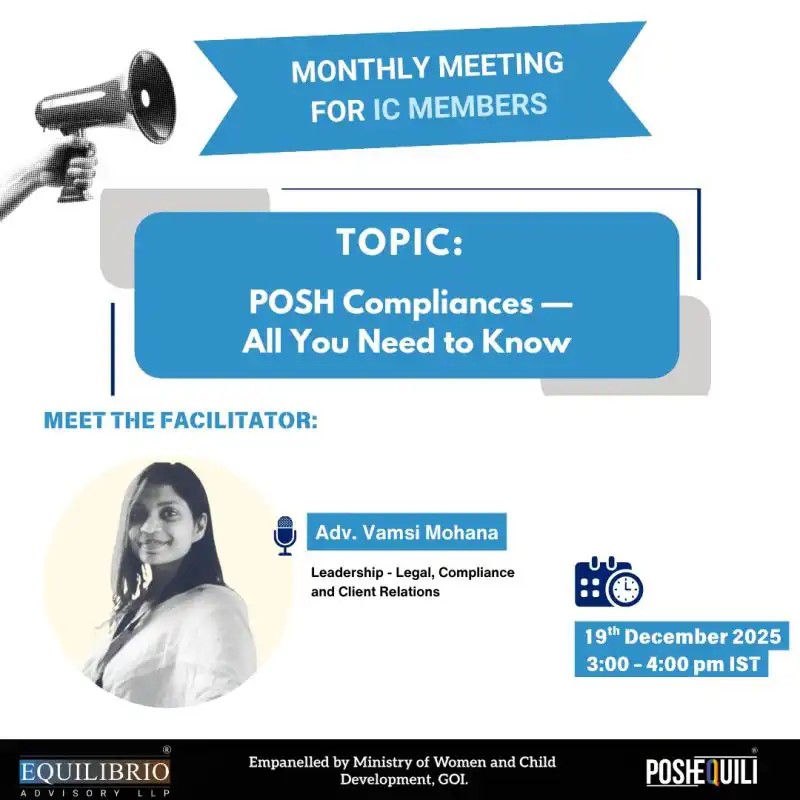
In the Spotlight!
Explore ways to build your knowledge and capacity with our team of in-house experts!

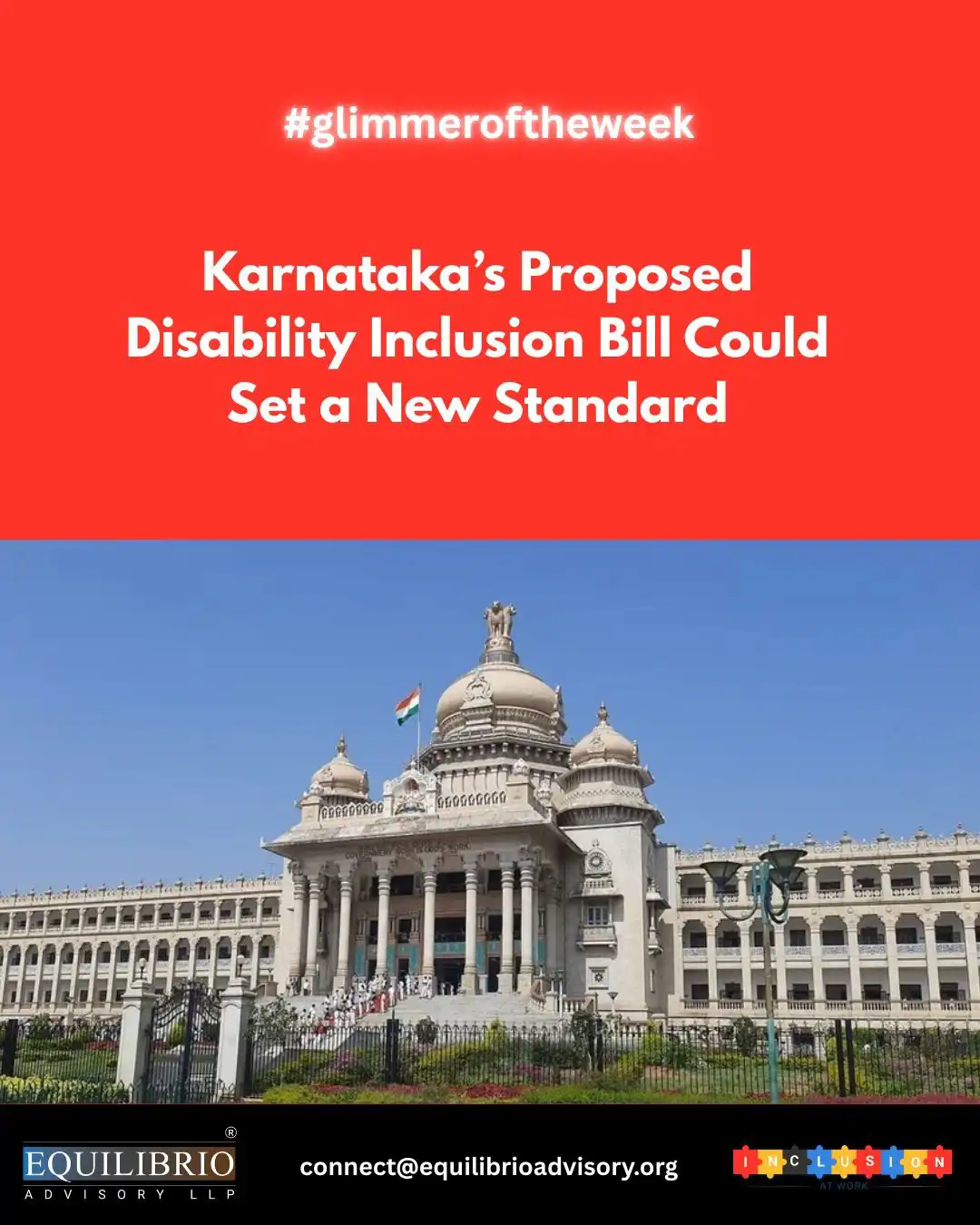
Stay Current!
~ Spotlighting Landmark Judgments since passing of the Law!
I - LEGAL UPDATES


II - Exploring Intersections
Engage with us!
Here's your weekly food for thought through a Fun Fact or Quiz.
Did you know Australia recently implemented a nationwide rule banning social media use for under-16 year olds to protect mental health? Starting 10th December 2025, major social media platforms in Australia must take “reasonable steps” to block users under 16 years of age or face fines. This move aims to reduce harmful experiences like late-night doomscrolling and triggering content, and stem the rising impact of social media on the lives of adolescents.
However, on the other hand, it also risks isolating marginalized youth—queer, trans, disabled, neurodivergent persons—who often find community and support online. Social media can both harm and help mental health simultaneously. Blanket bans might reduce some risks but can deepen isolation if not paired with stronger offline mental health care, anti-bullying efforts, community building, disability-affirming support, and platform accountability.
The real question is: what truly benefits teen mental health—blanket bans, better boundaries, or building real-world support systems? Let us know at connect@equilibrioadvisory.org.

Have a burning question about POSH? Maybe Mental Health at Work, Child safety or DEI&B strategies? Drop us an email with your query and we would love to answer it, in all seriousness.
Curious Cat:
What is endometriosis, and how does gender disparity affect its diagnosis?
Answer:
Endometriosis is a chronic medical condition in which tissue similar to the lining of the uterus grows outside the uterus, often causing severe pain, heavy periods, and sometimes infertility. Despite affecting an estimated 1 in 10 people assigned female at birth globally, endometriosis is frequently underdiagnosed or misdiagnosed, sometimes taking up to 7-10 years for a correct diagnosis.
Gender disparity plays a significant role in this delay and misdiagnosis. Historically, medical research and clinical attention have focused less on women’s health issues, and there is a documented bias where the pain reported by women is often minimized or dismissed by predominantly male medical professionals. This can lead to perceptions that the pain is psychological or exaggerated, delaying appropriate investigations and treatment.
To foster a helpful shift in attitude, it is crucial to:
Increase awareness and education among healthcare providers about endometriosis and its impact.
Encourage active listening and validation of patients’ pain experiences without bias.
Promote more inclusive research that prioritizes women’s health issues.
Advocate for earlier diagnostic interventions and better support systems.
Such changes can lead to earlier diagnosis, better management, and ultimately improved quality of life for those living with endometriosis.