This weekly newsletter is your gateway to staying current on relevant laws (like POSH, POCSO, Transgender Persons Act, etc.) and the psychosocial intersections that impact the workplace.
9th January 2026 | Issue No. 115
Upcoming Events
Mark your calendars! In this section, we highlight an upcoming event you won't want to miss.
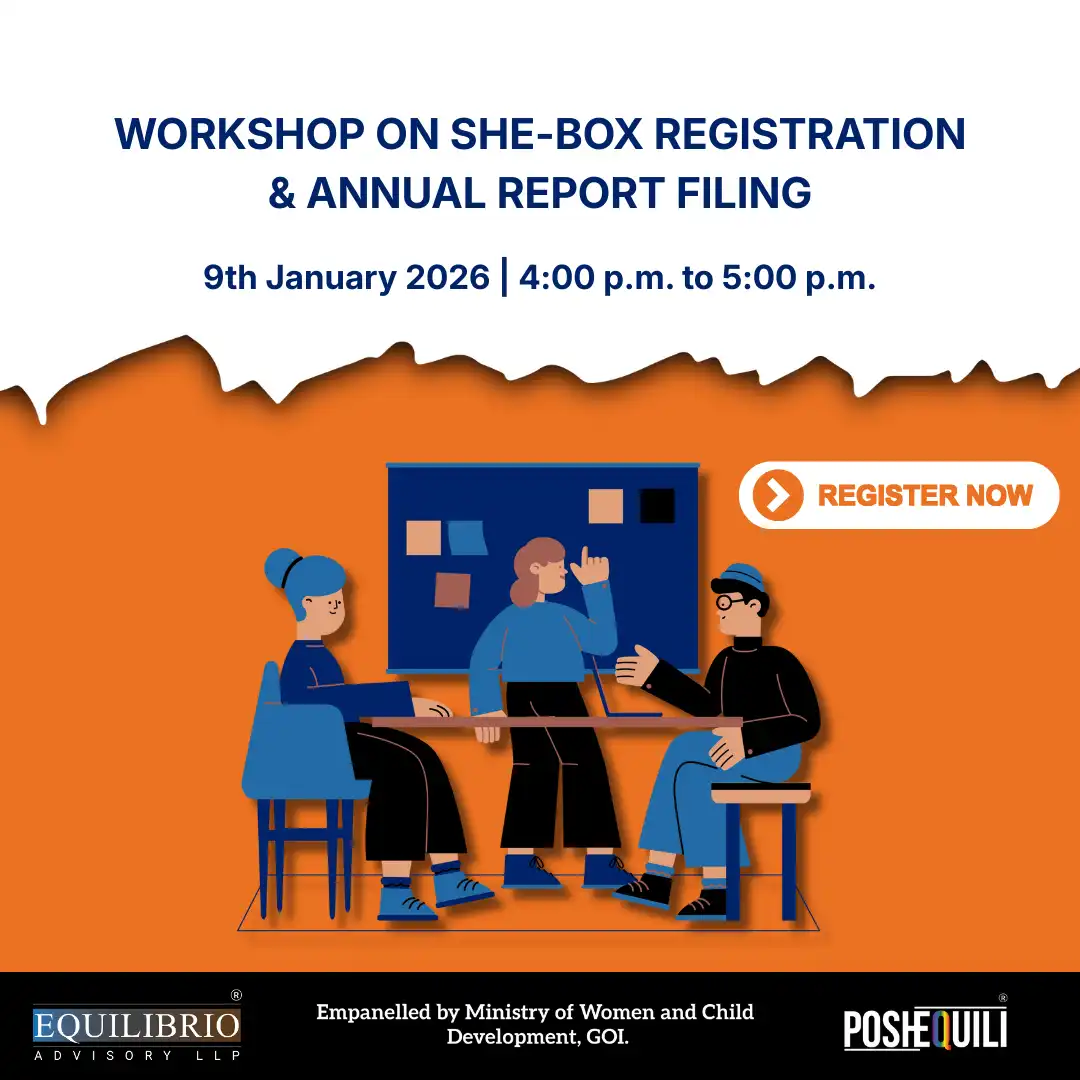
Learn how to meet your POSH Act, 2013 compliance requirements with ease. This session explains what, when, and how to file your annual report accurately with the District Officer. It also covers She-Box—the government’s online platform for POSH submissions—ensuring timely, complete, and hassle-free reporting for your organization.
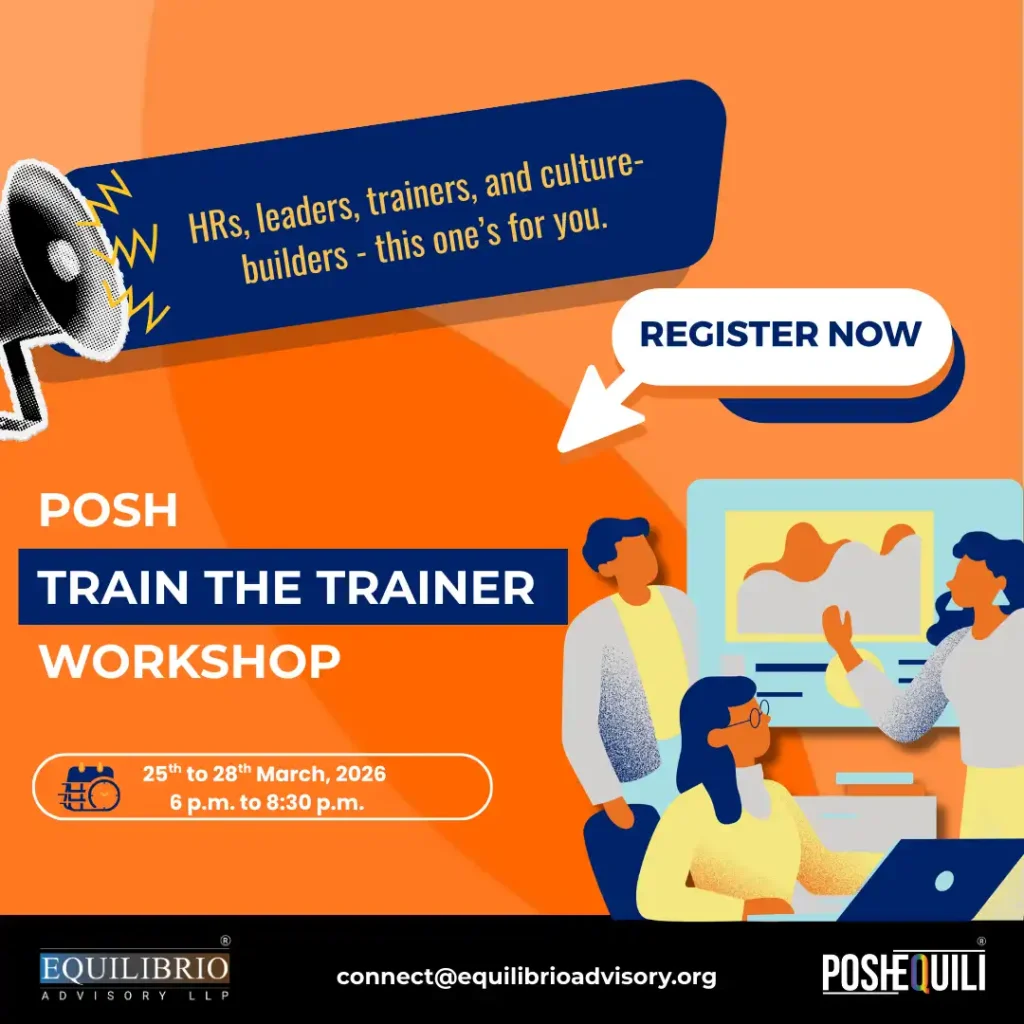
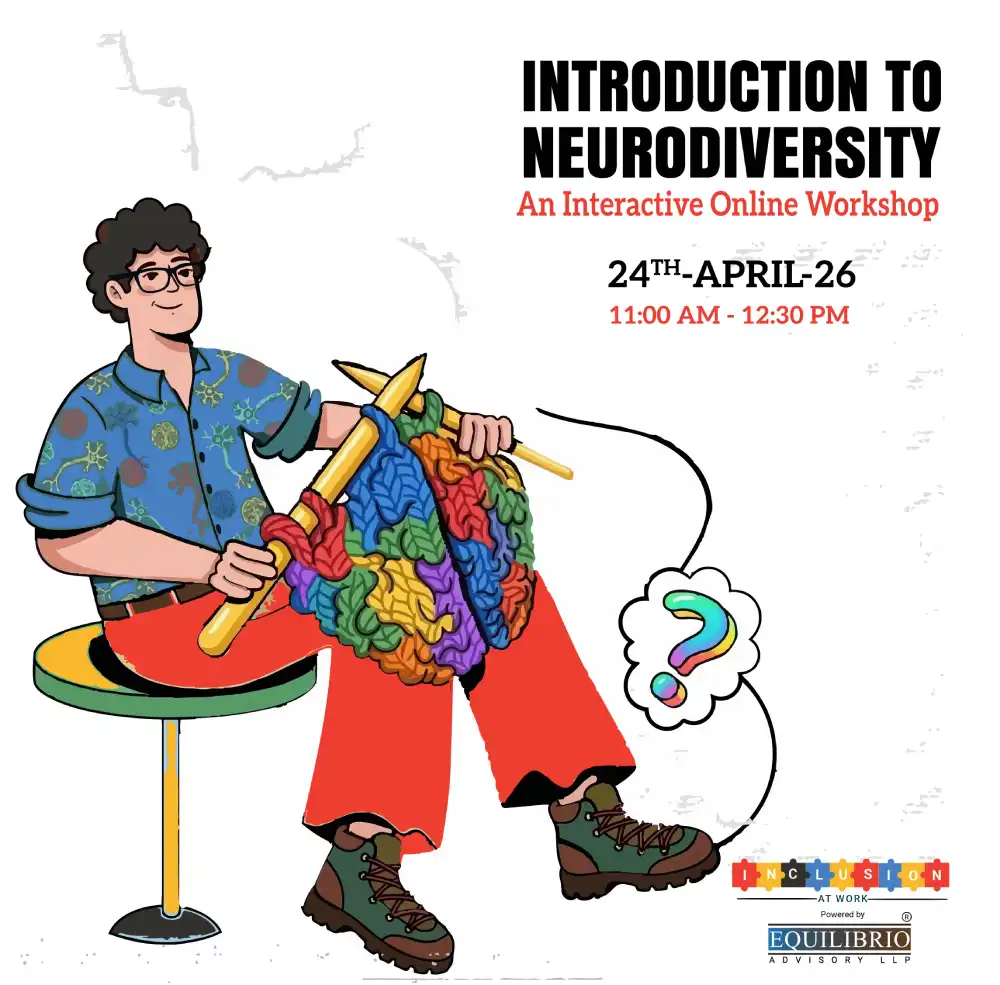
Explore ways to build your knowledge and capacity with our team of in-house experts!
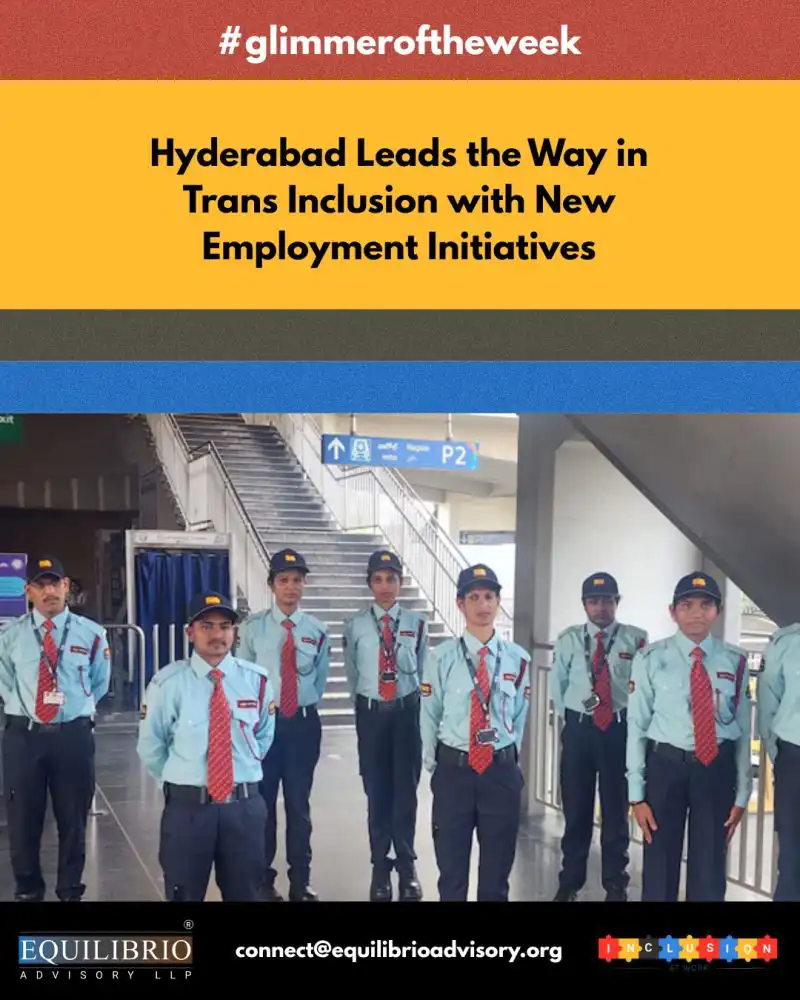
Hyderabad sets an inspiring example of inclusion by hiring 20 trans persons as Metro security staff, building on earlier recruitment in traffic control roles. These steps go beyond employment—creating dignity, visibility, and respect, while fostering equality and acceptance across society. 🌈
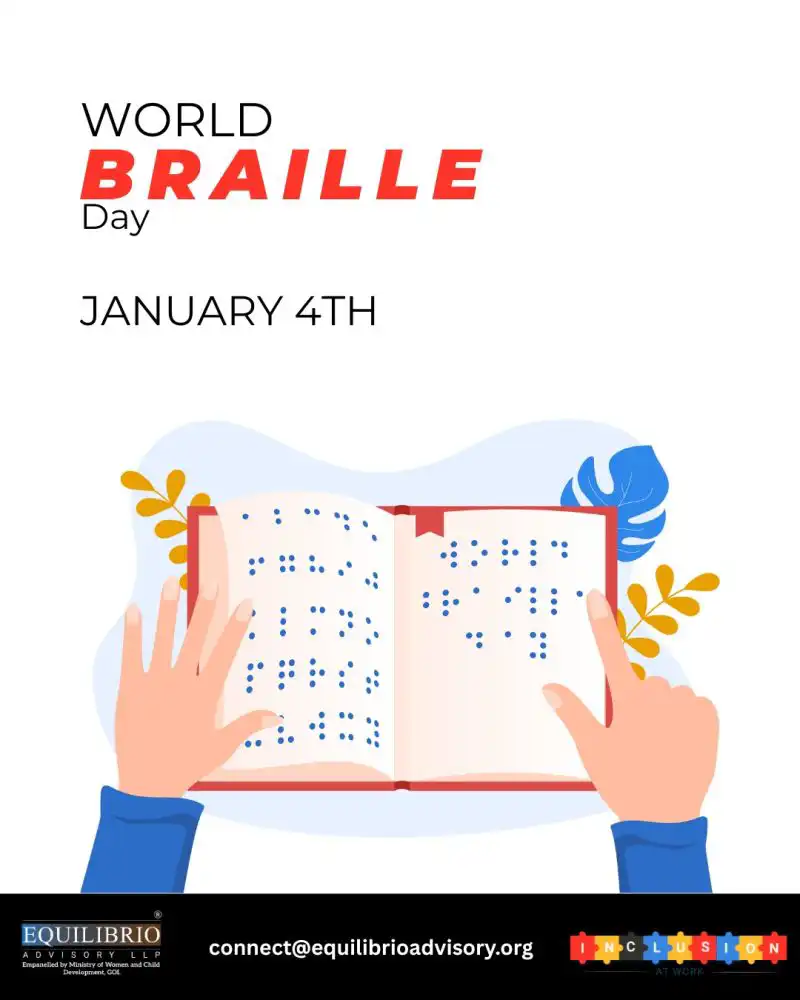
We celebrated #WorldBrailleDay as powerful tool for communication, independence, and inclusion. Raising awareness and upholding disability rights are key to building an accessible, equitable society—one where every voice is seen, heard, and valued. ✨♿
As the new year begins, ensure your school is ready to safeguard every child. From compliant policies and trained staff to child-friendly reporting and strong support systems, preparedness matters. Child Safety at Work, powered by Equilibrio Advisory LLP, partners with institutions to build safe, accountable environments through legal and psychosocial expertise.
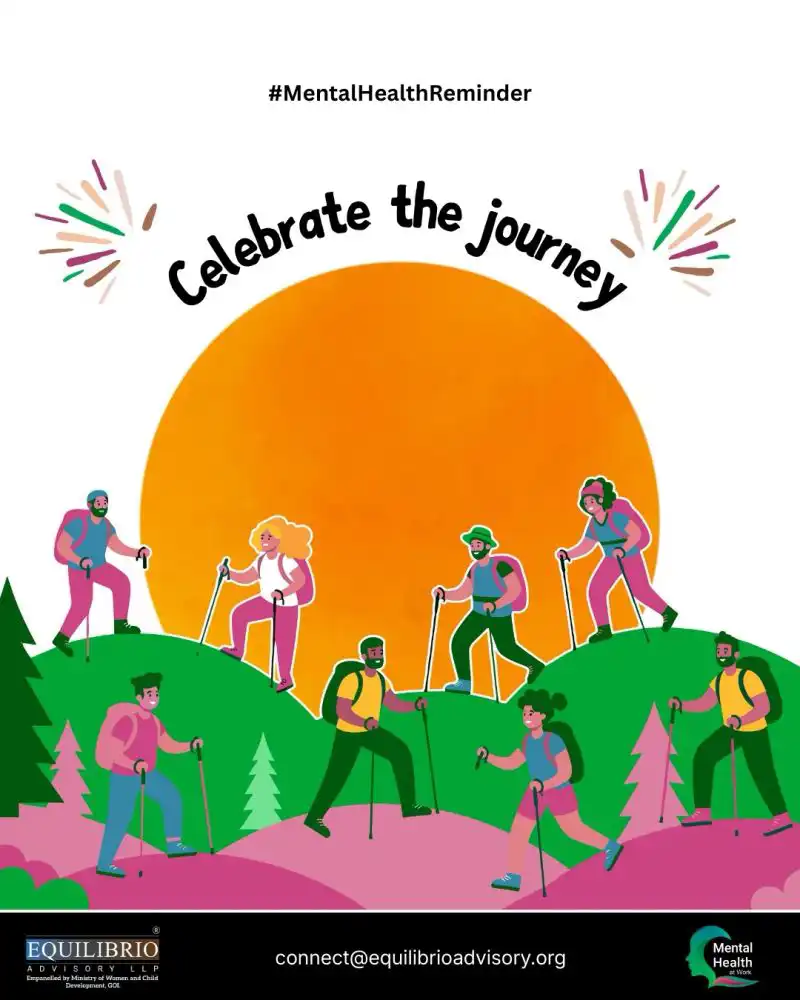
As we step into the new year, we invite you to pause and reflect with compassion. Mental health is a journey shaped by learning, support, and resilience—not destinations. By noticing allies, boundaries, and quiet growth, reflection becomes an act of integration, helping us move forward with clarity, kindness, and steadiness.
~ Spotlighting Landmark Judgments since passing of the Law!
I - LEGAL UPDATES
The Supreme Court’s review of POSH Act compliance highlights critical gaps in implementation and reinforces the mandatory duty of employers to constitute Internal Committees and ensure effective workplace sexual harassment redressal under the POSH Act, 2013.
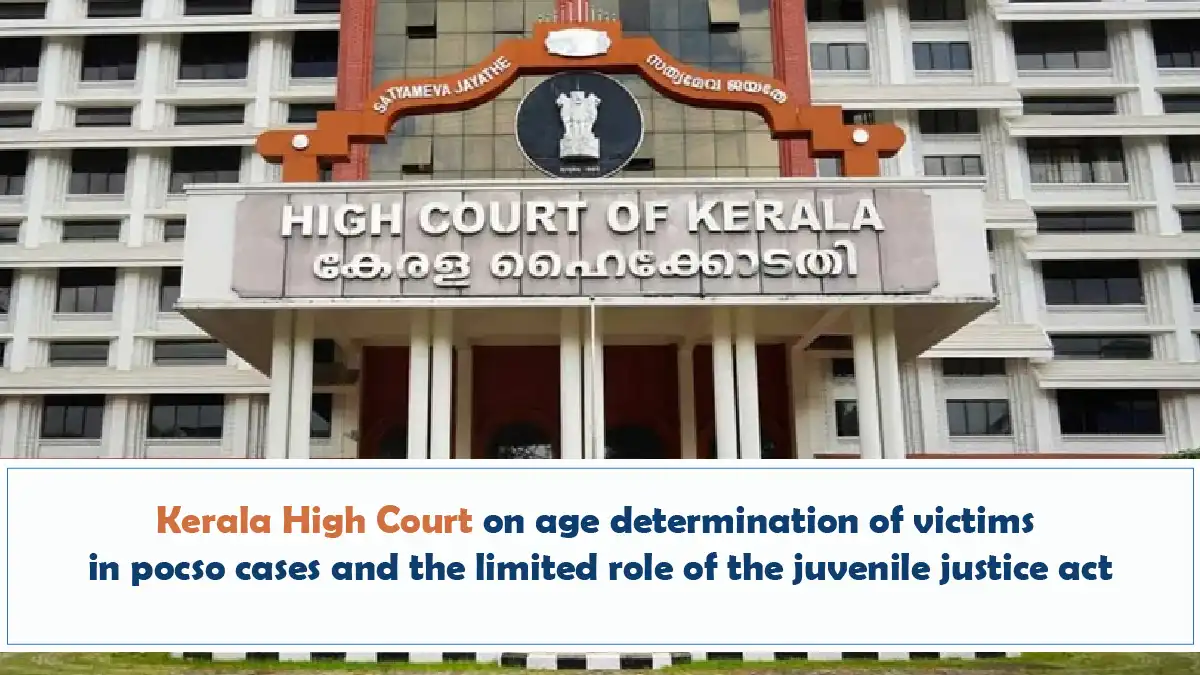
The Kerala High Court ruled on age determination in POCSO cases, holding that the Juvenile Justice Act’s provisions are not the only means to establish a victim’s age – oral and documentary evidence can also be relied upon when determining whether a person qualifies as a child under the POCSO framework.
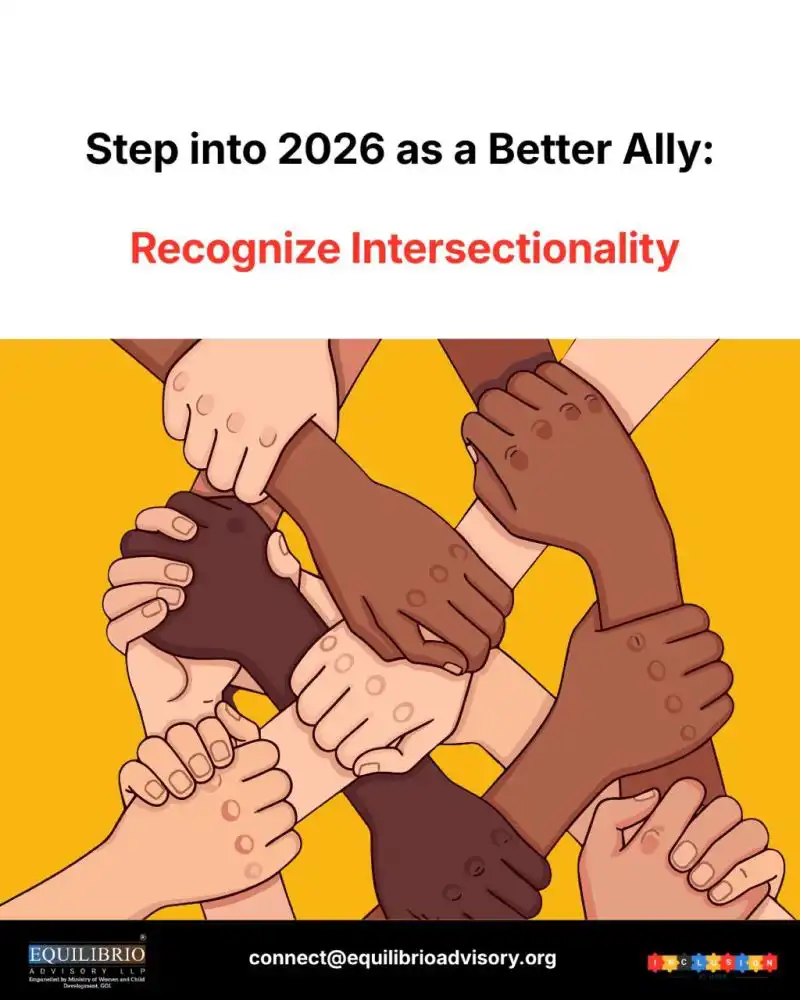
As we step into the new year, let’s commit to inclusion and safety at work. True belonging comes from embracing intersectionality and understanding how overlapping identities shape experiences. Enter 2026 as better allies—practicing active allyship to build workplaces where everyone feels supported and able to thrive.
Here's your weekly food for thought through a Fun Fact or Quiz.
Did you know that 17-years-old autistic teenager Jiya Rai challenged the mighty oceans by swimming solo across the English Channel in 2024—covering 34 km of frigid water in an incredible 17 hours and 25 minutes? In 2025, she made history again as the first autistic female para-swimmer to successfully cross the Catalina Channel in the United States. Jiya’s journey is about much more than breaking records—it’s about shattering misconceptions and amplifying the voices of neurodivergent girls. Her achievements stand as powerful symbols of what’s possible when society stops underestimating them. These swims are not only personal triumphs but also victories for inclusive sports and disability pride worldwide.
Have a burning question about POSH? Maybe Mental Health at Work, Child safety or DEI&B strategies? Drop us an email with your query and we would love to answer it, in all seriousness.
Curious Cat: What is “thought OCD” and what are some effective ways to manage it?
Answer: “Thought OCD” refers to a form of OCD (clinically known as Obsessive-Compulsive Disorder) where individuals experience persistent, intrusive, and distressing thoughts—often violent, taboo, or unwanted—that cause significant anxiety. These thoughts feel uncontrollable and lead to compulsive behaviors or mental rituals aimed at reducing the distress. Therapeutic interventions that help with OCD traits include Cognitive Behavioral Therapy (CBT) with Exposure and Response Prevention (ERP), which helps individuals witness these thoughts without engaging in compulsions. In some cases, medication such as selective serotonin reuptake inhibitors (SSRIs) may also be prescribed to support OCD traits. If you or anyone you know is experiencing these traits and requires support, reach out to us at wellbeing@equilibrioadvisory.org.
Here’s all the tools you need to build safe and equitable workspaces!
Drop us a Hey, to get started!