
The Equilibrio Gazette
A brief buletin for building safe workspaces!
This weekly newsletter is your gateway to staying current on relevant laws (like POSH, POCSO, Transgender Persons Act, etc.) and the psychosocial intersections that impact the workplace.
23rd January 2026 | Issue No. 117
Upcoming Events
Mark your calendars! In this section, we highlight an upcoming event you won't want to miss.
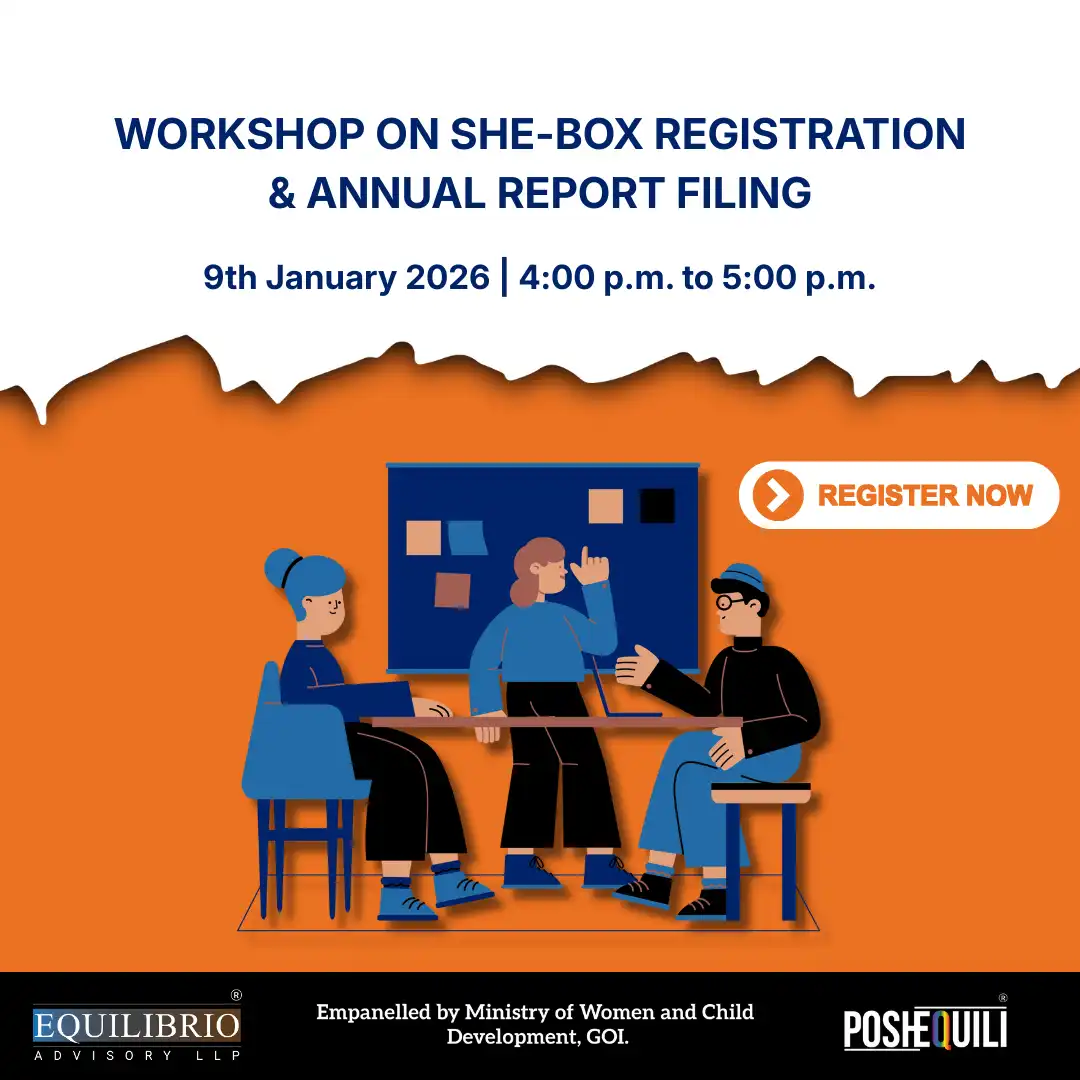
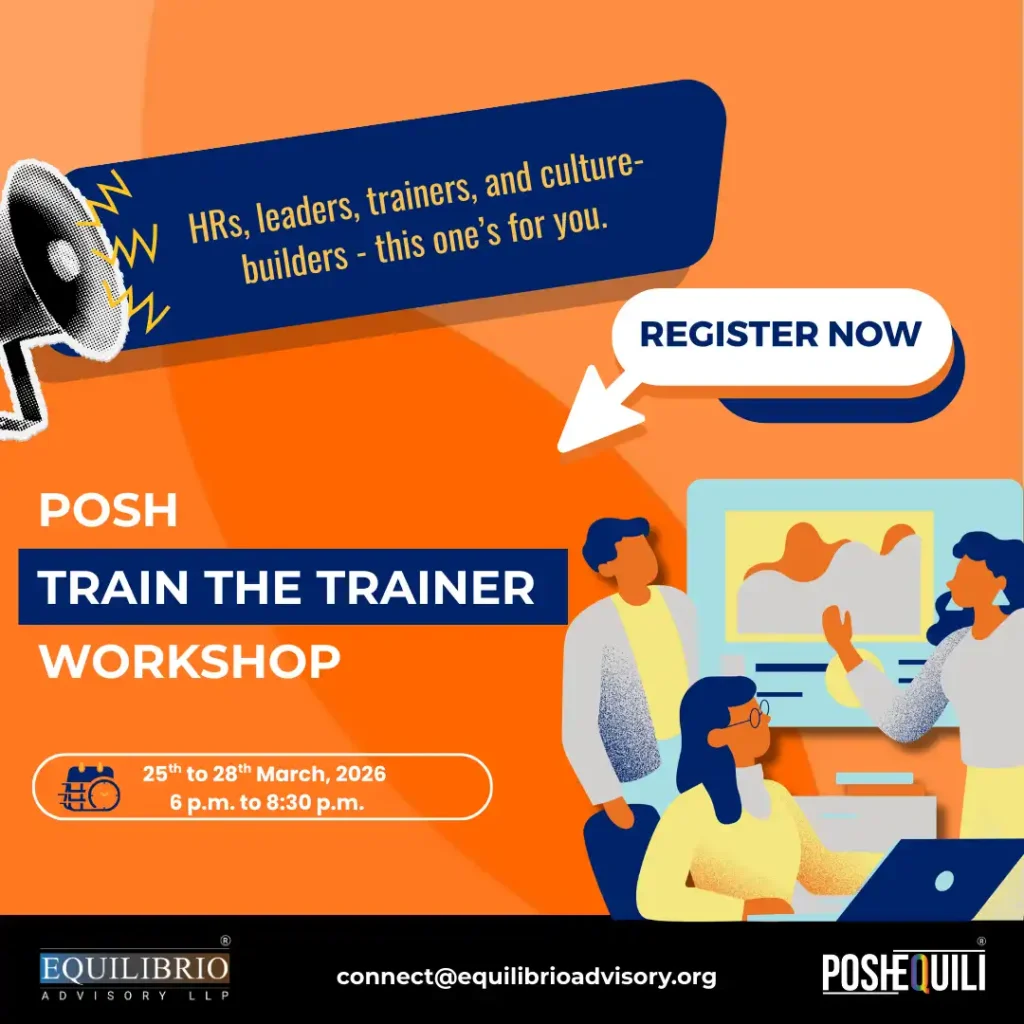
Learn how to meet your POSH Act, 2013 compliance requirements with ease. This session explains what, when, and how to file your annual report accurately with the District Officer. It also covers She-Box—the government’s online platform for POSH submissions—ensuring timely, complete, and hassle-free reporting for your organization.
In the Spotlight!
Explore ways to build your knowledge and capacity with our team of in-house experts!
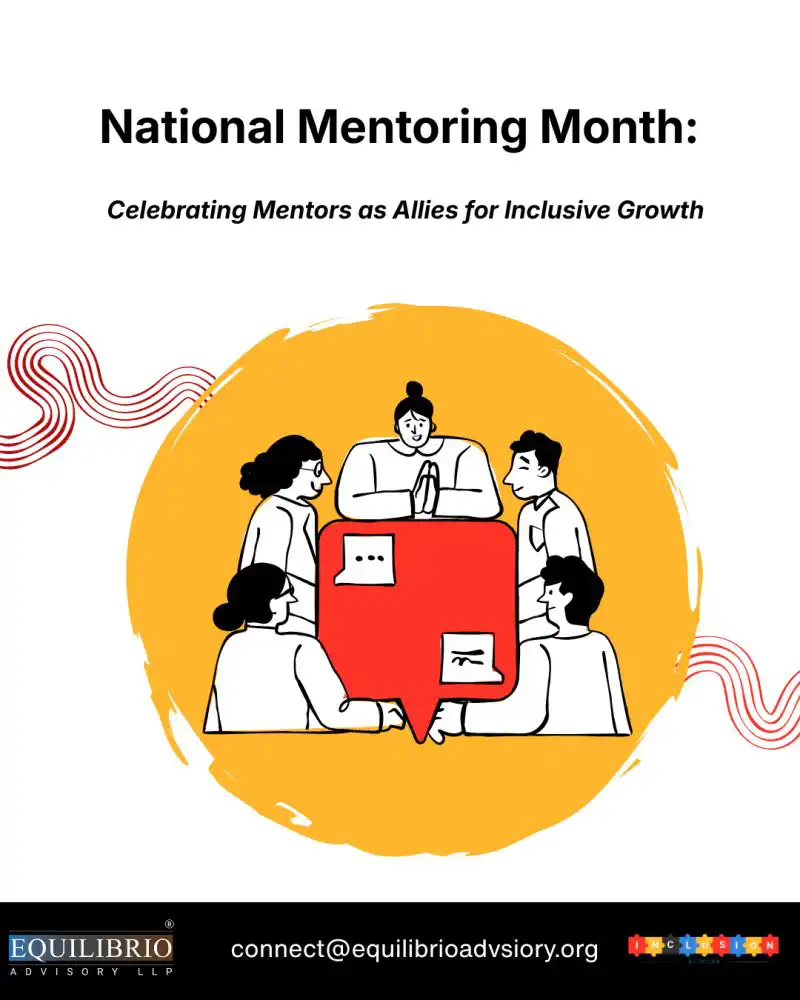
January is National Mentoring Month—a time to celebrate mentors as allies who create safe, supportive spaces for marginalized voices. Through empathy, understanding, and advocacy for diversity, mentors help build inclusive workplaces and communities where everyone can grow, thrive, and succeed.
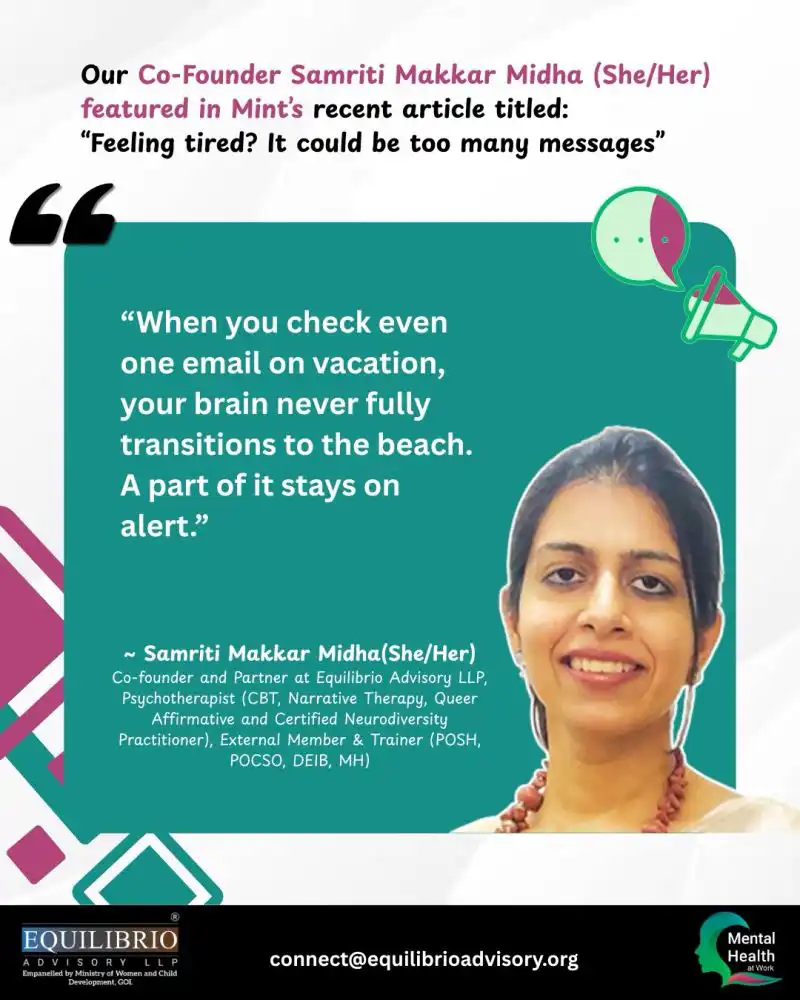
We’re proud to see our Co-Founder, Samriti Makkar Midha, featured in Mint for her insights on digital overload. She explains how constant notifications force micro-decisions, strain working memory, and train our brains for rapid switching, quietly draining focus, presence, and mental energy—insights that shape our work at Mental Health at Work.
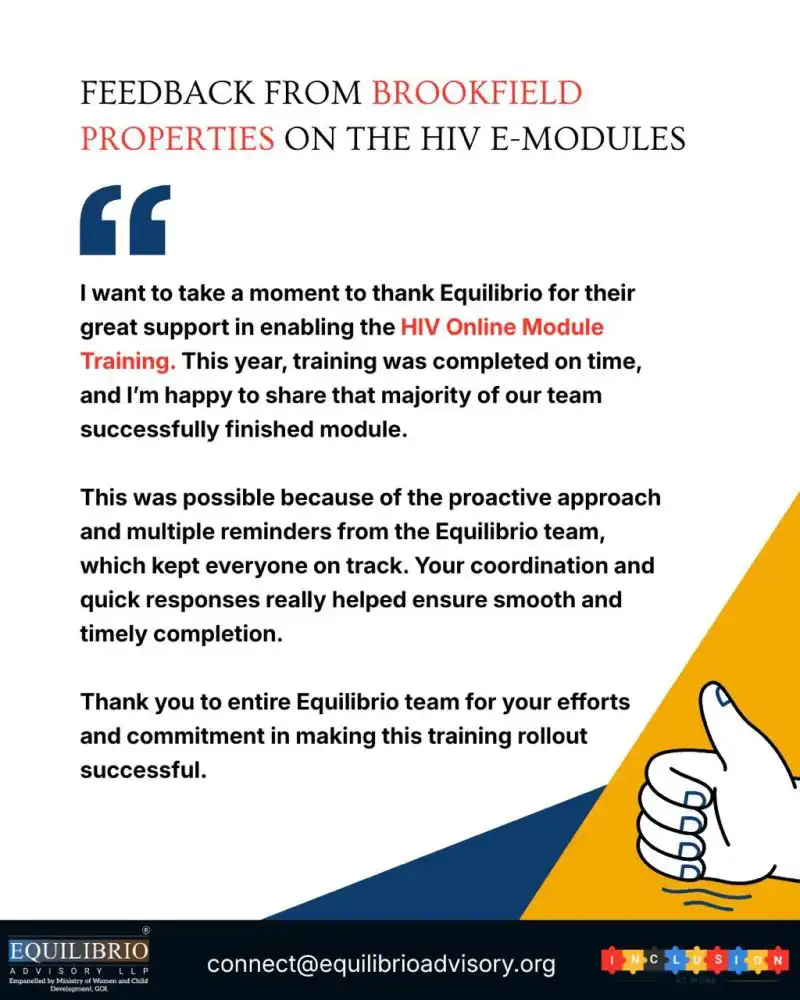
We’re grateful for this encouraging feedback from Brookfield Properties following the successful completion of the HIV Online Module Training. Strong participation and timely completion reflect effective collaboration, and we’re glad our proactive coordination and support ensured a smooth rollout. Thank you for the trust—we look forward to continuing our work toward informed, inclusive, and compliant workplaces.
Stay Current!
~ Spotlighting Landmark Judgments since passing of the Law!
I - LEGAL UPDATES

The Bombay High Court clarified that no disciplinary action can be taken under the POSH Act when allegations of sexual harassment are not proved. The ruling reiterates that findings must be evidence-based and that adverse action cannot follow unsubstantiated complaints.
II - Exploring Intersections
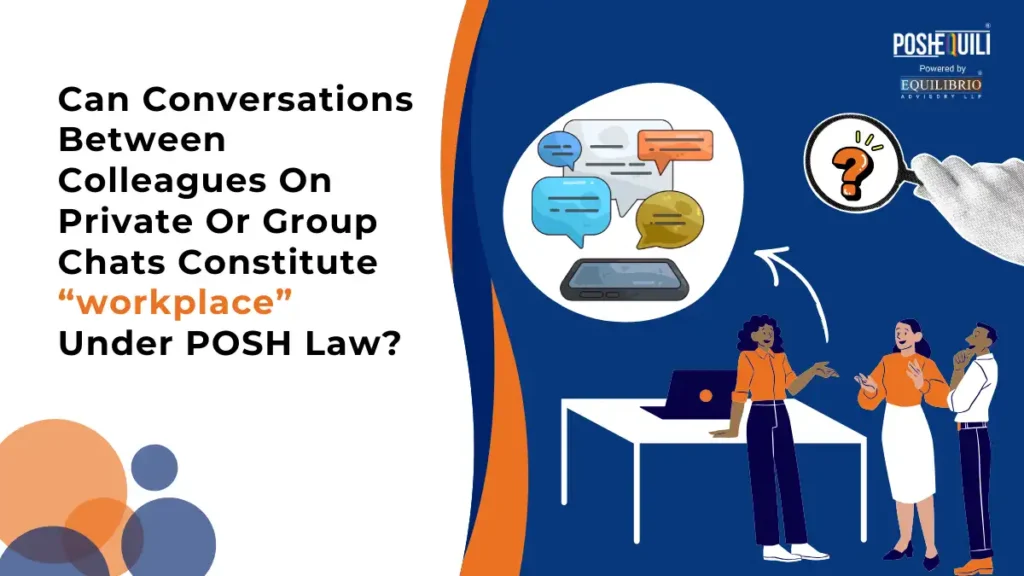
This article examines whether private or group chats between colleagues can be considered part of the workplace under the POSH Act. It explains how digital communication spaces may fall within the law’s scope, meaning inappropriate conduct in work chats can attract POSH liability and require organisational policies and redressal.
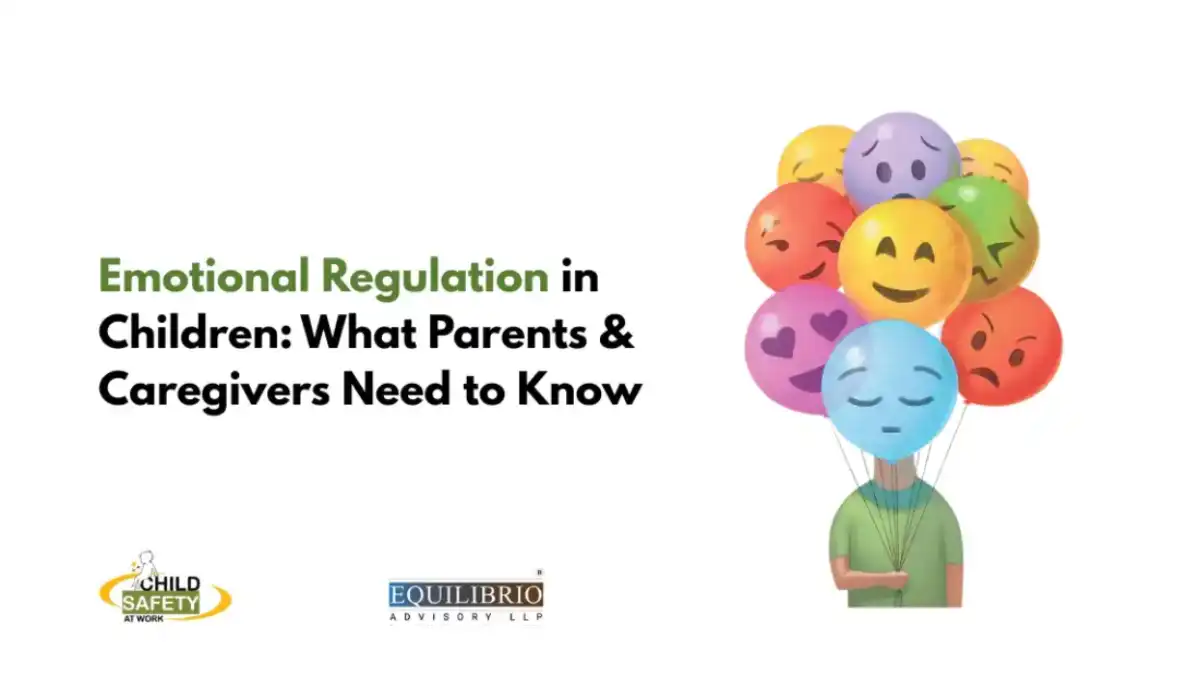
Emotional regulation helps children manage feelings and behaviour, while supportive caregivers and positive peer influence shape healthy responses. Teaching kids to recognise emotions, develop coping skills, and build strong social connections prevents distress and encourages empathetic interactions that improve behaviour and wellbeing.
Engage with us!
Here's your weekly food for thought through a Fun Fact or Quiz.
Did you know that neurographic art is a unique creative practice that combines drawing and psychology to promote mental well-being? Developed by Russian psychologist Pavel Piskarev in 2014, this art form involves drawing spontaneous, flowing lines that connect and transform into intricate patterns. Neurographic art has been embraced by therapists and alternative healers as an art practice that helps reduce stress, externalize and process complex emotions and increase mindfulness.

Have a burning question about POSH? Maybe Mental Health at Work, Child safety or DEI&B strategies? Drop us an email with your query and we would love to answer it, in all seriousness.
Curious Cat:
What is “reverse mentoring” and how does it benefit inclusion and diversity in the workplace?
Answer:
Reverse mentoring is a practice where younger or less experienced employees mentor senior leaders or more experienced colleagues, often sharing insights on topics like technology, culture, or diversity. This mentoring style flips the traditional mentoring model, empowering junior staff to share their unique perspectives, especially around inclusion and diversity issues. This approach helps senior leaders better understand the experiences and challenges of diverse groups in the workplace, fostering empathy and reducing unconscious biases. It encourages open dialogue, accelerates cultural awareness, and supports more inclusive decision-making. Ultimately, reverse mentoring builds bridges across generations and identities, creating a workplace culture that values diverse voices and continuous learning.

Here’s all the tools you need to build safe and equitable workspaces!
Drop us a Hey, to get started!
[emoji_reactions]