6th March 2026 | Issue No. 123

The Equilibrio Gazette

A brief buletin for building safe workspaces!

This weekly newsletter is your gateway to staying current on relevant laws (like POSH, POCSO, Transgender Persons Act, etc.) and the psychosocial intersections that impact the workplace.

6th March 2026 | Issue No. 123

Upcoming Events

Mark your calendars! In this section, we highlight an upcoming event you won't want to miss.
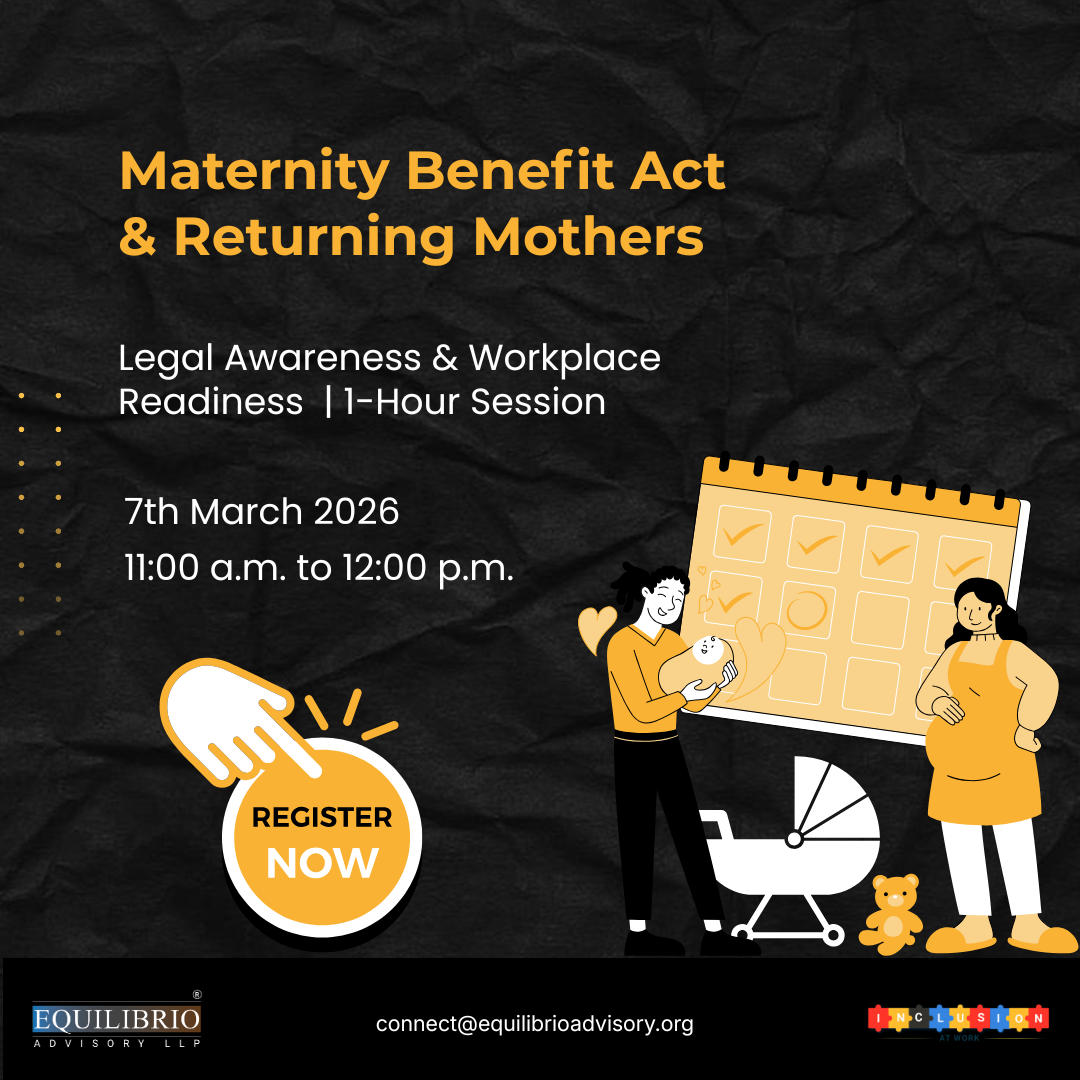
Is your organisation aligned with the requirements of the Maternity Benefit Act, 1961?

Compliance goes beyond policies—it’s about supporting women before, during, and after maternity leave.

Join our 1-hour legal awareness session to understand employer obligations, avoid common compliance gaps, and build a workplace culture that supports returning mothers.
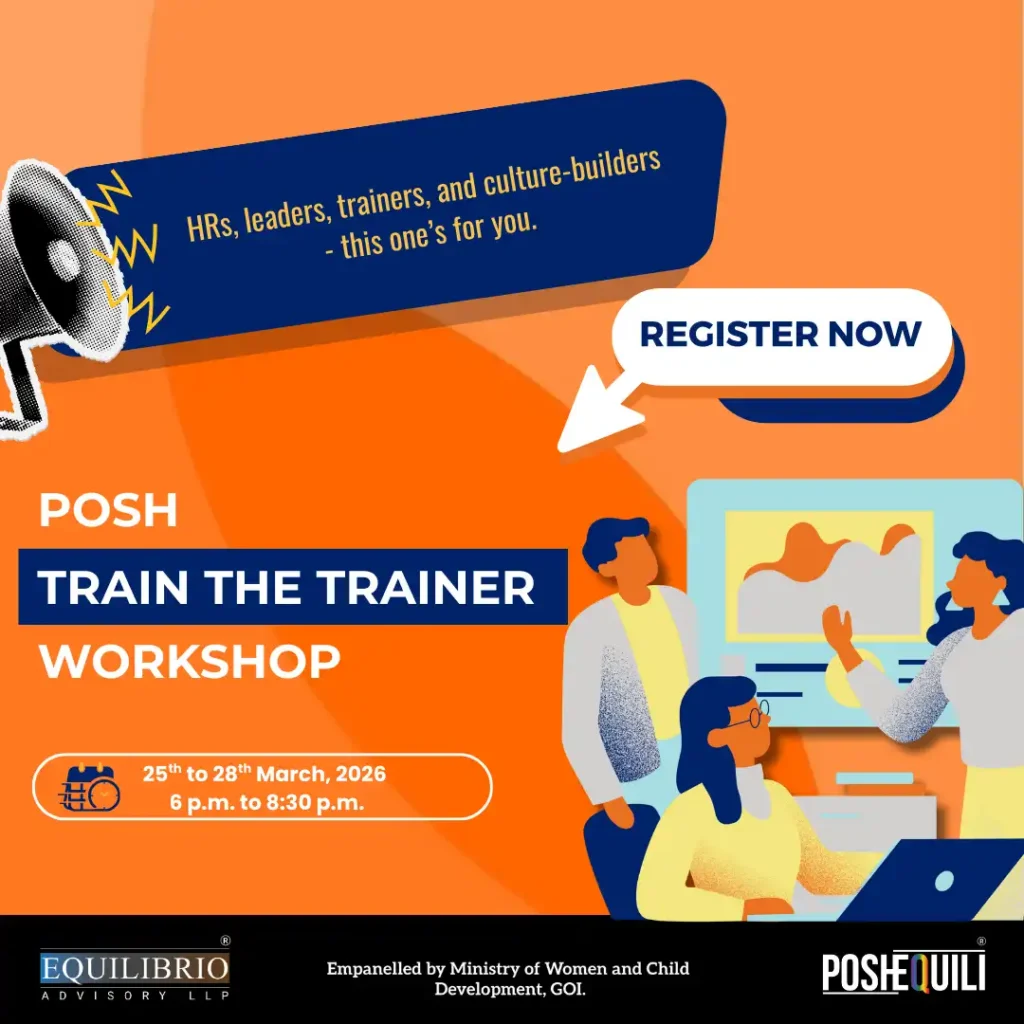
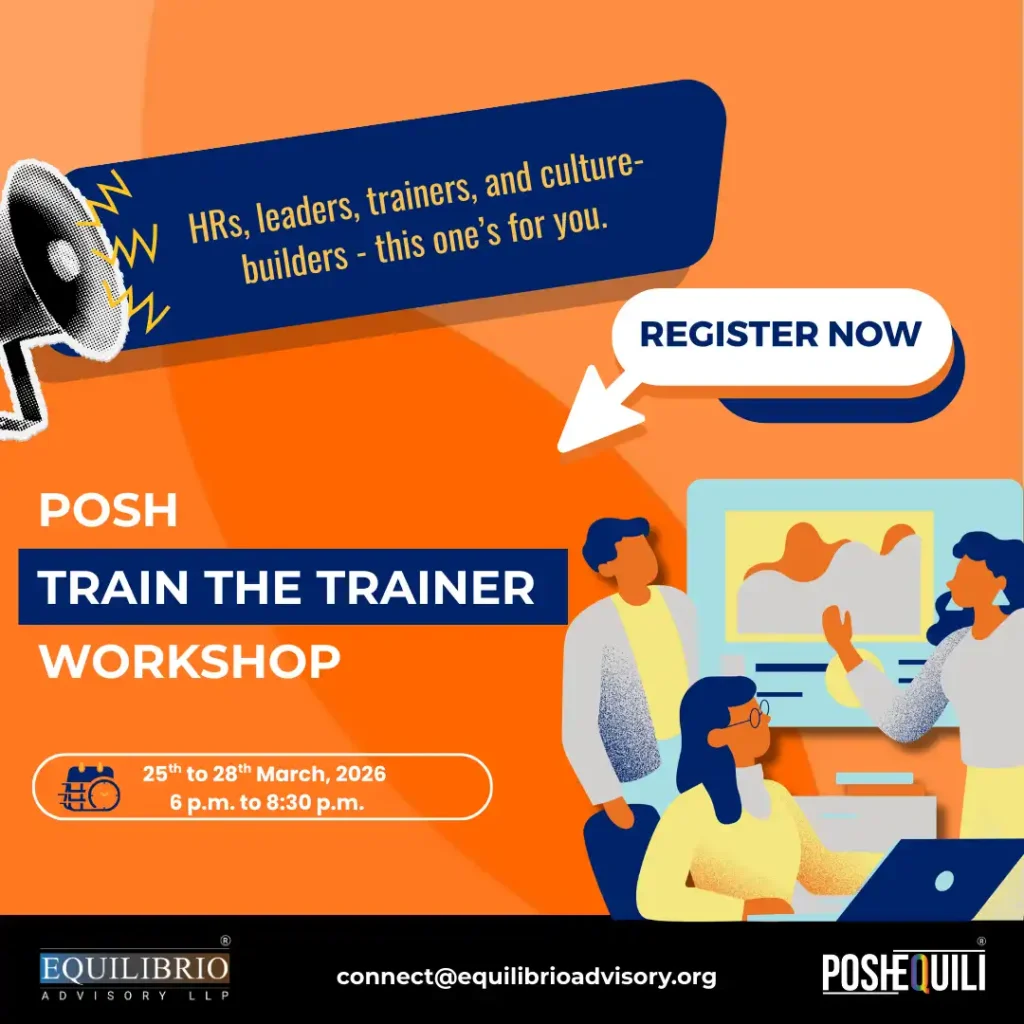
🚨 POSH Train-the-Trainer (TTT) Workshop 🚨
 
Step into the role of a certified POSH trainer. Learn how to conduct effective trainings, understand the legal and psychological dimensions of workplace harassment, handle real-life cases, and navigate sensitive workplace conversations with confidence.
 
✨ Early Bird Offer: Available for the first 8 registrations
👥 Group Discounts: Enrol with your team and enjoy special savings

In the Spotlight!

Explore ways to build your knowledge and capacity with our team of in-house experts!
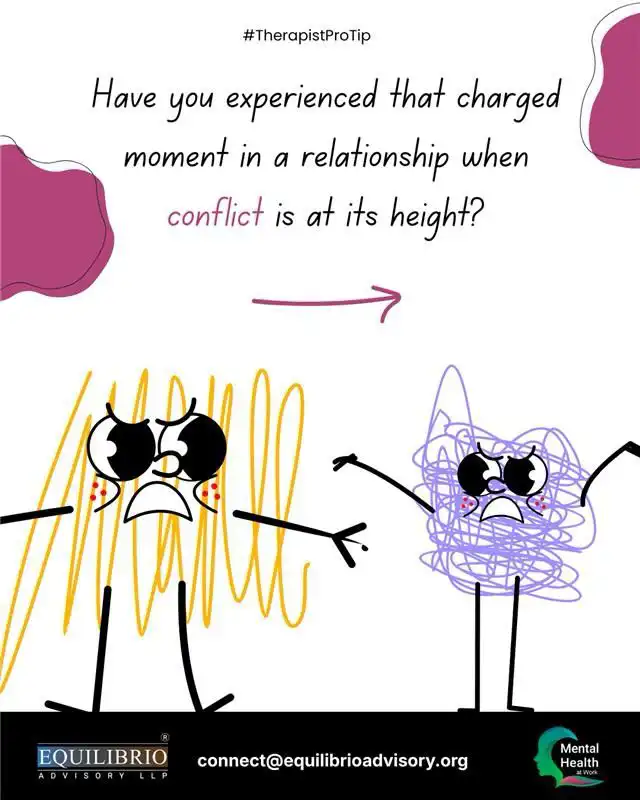
When conflict escalates and emotions run high, pause to regulate before responding. Physiological flooding makes productive conversation difficult. Step away, breathe slowly, and remind yourself you’re on the same team. Return later with curiosity—ask what felt hard and listen openly. Repair follows regulation, and regulation is a skill that can be learned.
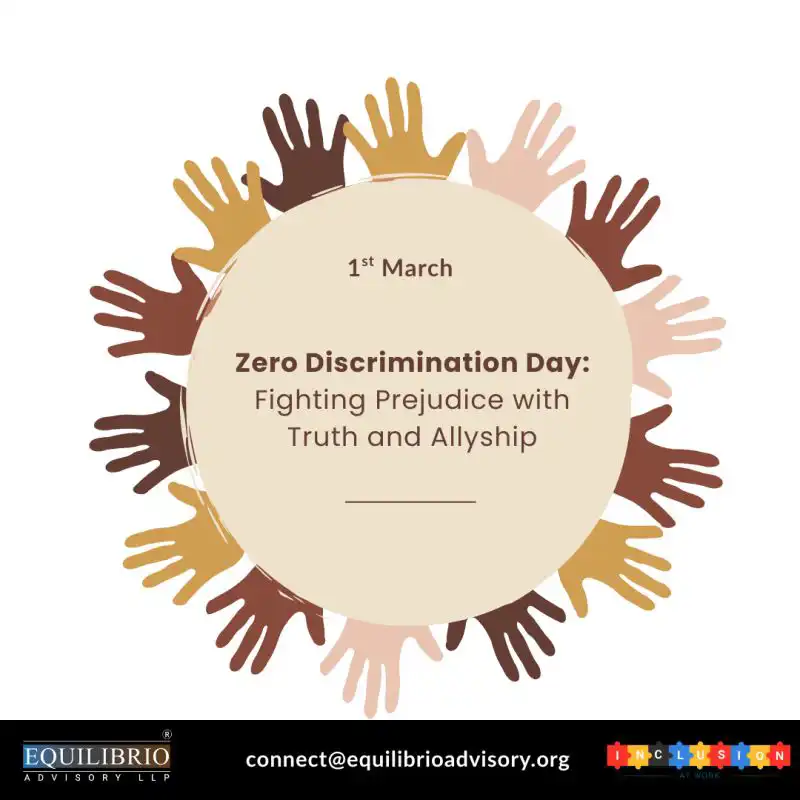
On Zero Discrimination Day, let’s reflect on how social media can amplify prejudice and misinformation against marginalized communities, including LGBTQ+ people. Harmful narratives online can fuel real-world discrimination. By staying aware, questioning what we see, and practicing allyship, we can challenge bias and help build a safer, more inclusive world.

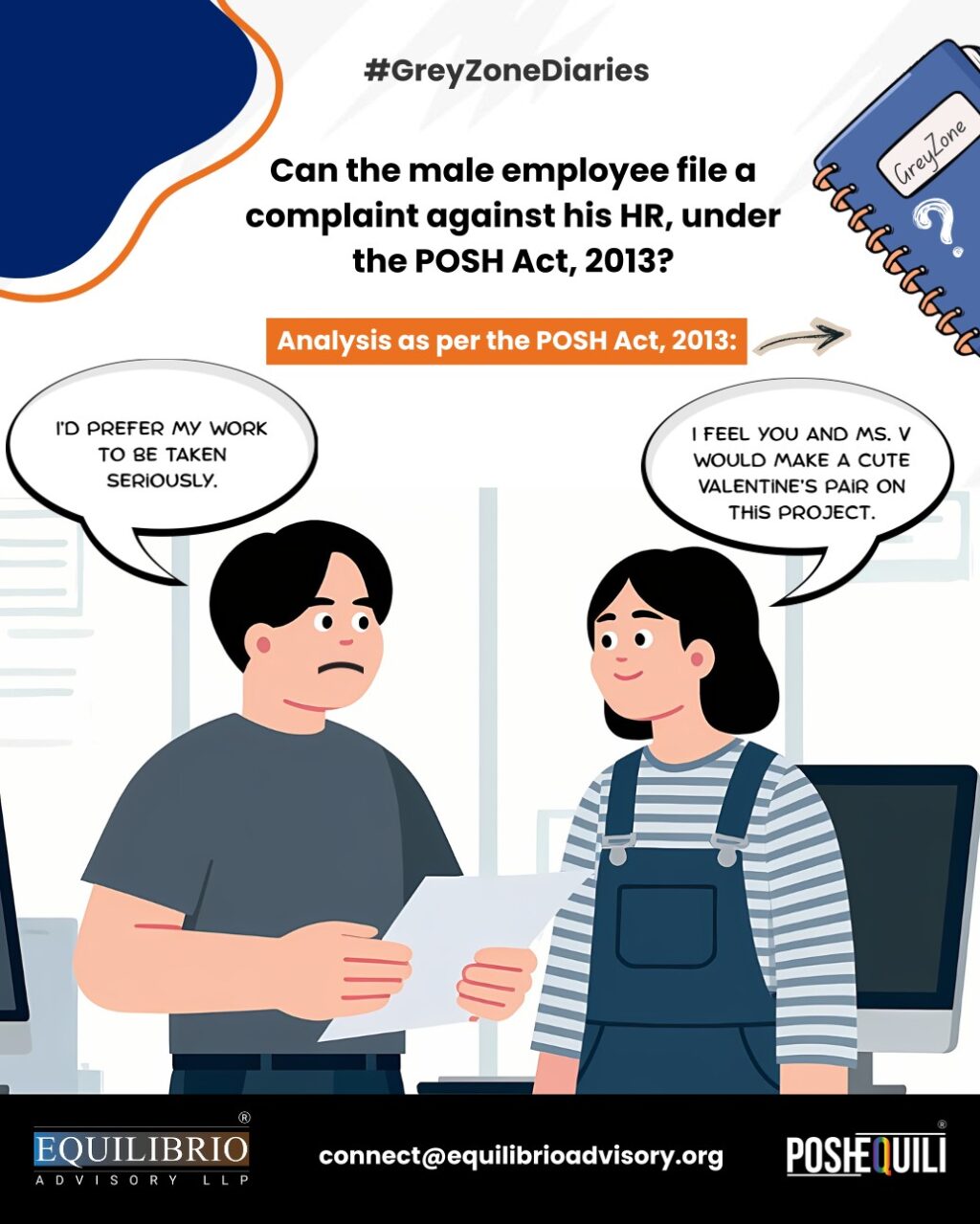
Earlier this week, we shared a scenario where a colleague casually linked a professional assignment to a romantic suggestion, despite the employee clearly redirecting the focus to work.

Here’s our analysis—unpacking how such remarks may be examined under the Sexual Harassment of Women at Workplace (Prevention, Prohibition and Redressal) Act, 2013 (commonly known as the Sexual Harassment of Women at Workplace (Prevention, Prohibition and Redressal) Act, 2013), and what this means for workplace dignity, boundaries, and consent.
Stay Current!

~ Spotlighting Landmark Judgments since passing of the Law!

I - LEGAL UPDATES
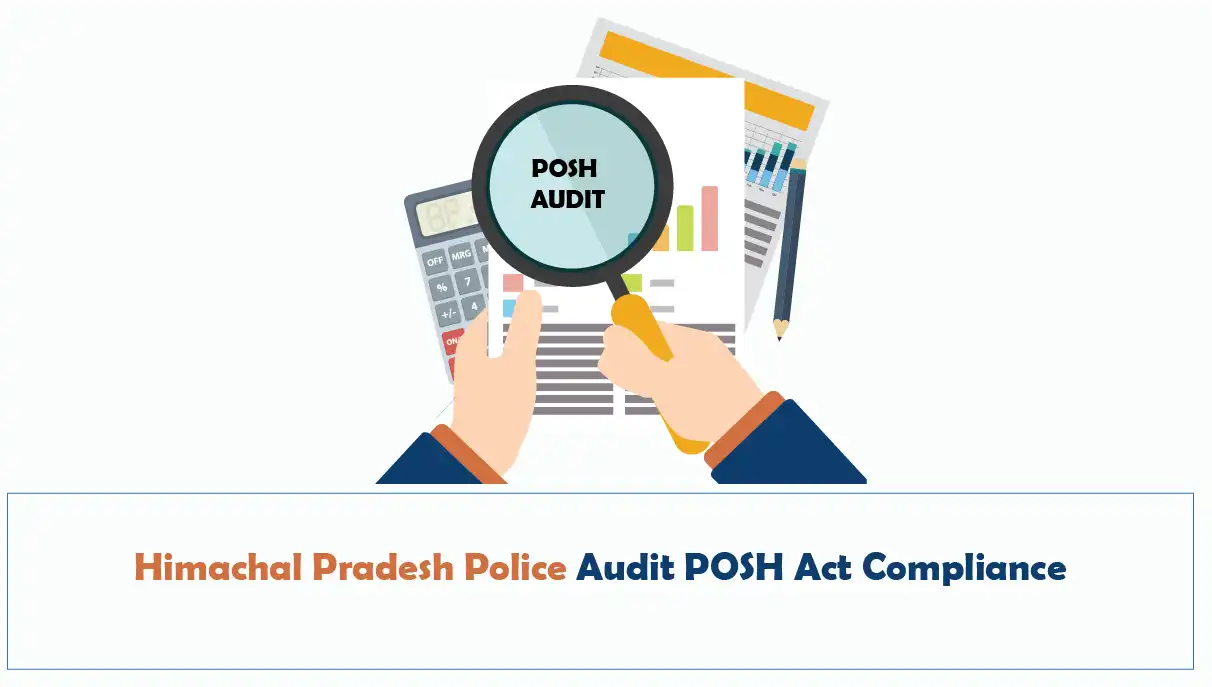
The Himachal Pradesh Police has directed a statewide audit of compliance with the Sexual Harassment of Women at Workplace (Prevention, Prohibition and Redressal) Act, 2013, reviewing the constitution and functioning of Internal Complaints Committees and adherence to mandatory POSH procedures across police establishments.
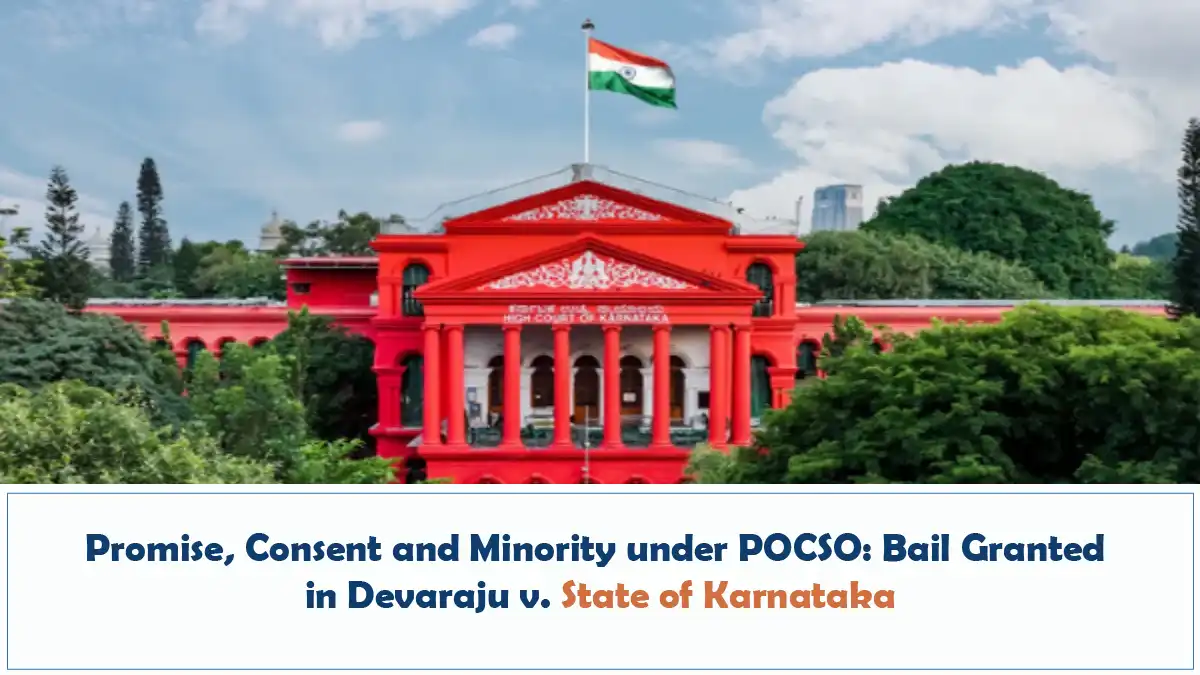
The Karnataka High Court granted bail in a POCSO case where the accused allegedly promised marriage to a minor, observing that the relationship appeared to be a consensual teenage affair and considering the circumstances surrounding the complaint while evaluating bail.
The Calcutta High Court set aside a Sessions Court order granting bail to a POCSO accused, emphasizing that the seriousness of allegations and the vulnerability of a minor victim must be carefully considered and that bail in such cases cannot be granted mechanically merely because a chargesheet has been filed.

II - Exploring Intersections

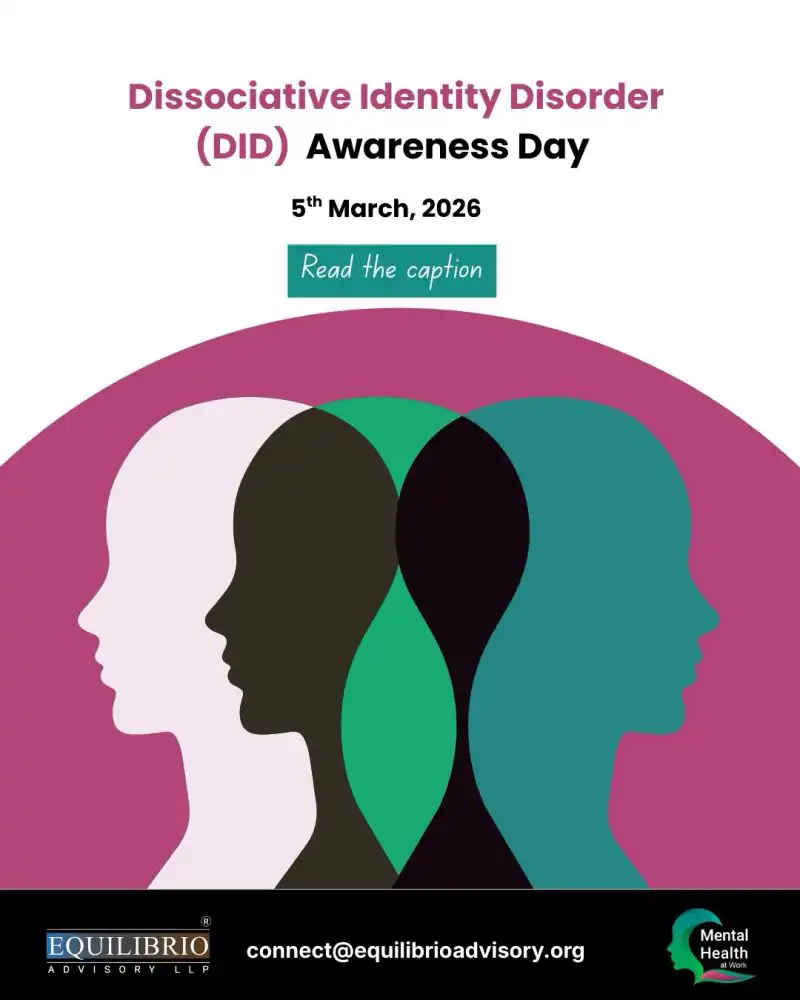
Today we acknowledge Dissociative Identity Disorder and the need to reduce stigma and misconceptions. Often shaped by trauma, DID is widely misunderstood due to sensationalised portrayals. The Mental Healthcare Act, 2017 affirms dignity and rights. Awareness means informed dialogue, trauma-sensitive care, and listening with compassion.

Engage with us!

Here's your weekly food for thought through a Fun Fact or Quiz.

Did you know that living in a society with higher gender inequality can physically impact women’s brains? A 2023 analysis of 7,876 MRI scans, across 29 nations, found women in less equitable countries tended to have thinner brain regions linked to stress and emotion regulation. This mirrors previous mental health research showing that reported gender discrimination over time is directly connected to poorer well-being. Neuroscience confirms that prolonged stress can re-wire brain circuits which impacts fear, memory, and decision-making skills.
 
While factors like poverty and healthcare access also influence mental health, sexism adds a significant cumulative strain. This stress is amplified for women who also identify with other marginalized groups, such as those with disabilities, neurodivergent individuals, or those who are queer or trans. To reduce this harm, workplaces must prioritize accountability, ensure accessible mental healthcare, and collect data that specifically includes the experiences of disabled and marginalized women.
 
 
c02bbaf6 fc35 7347 ca00 23233194fcd9

Have a burning question about POSH? Maybe Mental Health at Work, Child safety or DEI&B strategies? Drop us an email with your query and we would love to answer it, in all seriousness.

Curious Cat: What is the Matilda Effect?
 
Answer: The Matilda Effect is a phenomenon, coined by historian Margaret Rossiter, where women’s scientific contributions are systematically overlooked, ignored, or credited to their male colleagues.
 
This pattern reveals that women in science are historically less likely to be cited, published, promoted, or receive proper credit for their work. For example, Jocelyn Bell Burnell discovered the first radio pulsar but the Nobel Prize went to her male supervisor, and Chien-Shiung Wu’s crucial physics experiment was largely ignored in favor of her male colleagues.
 
This lack of recognition creates hierarchies and reinforces gatekeeping. The lack of positive role models discourages women from entering STEM fields. Addressing this historical imbalance is crucial for creating inclusive and gender-equitable workspaces.
Here’s all the tools you need to build safe and equitable workspaces! Drop us a Hey, to get started!

Comments are closed.