

The Equilibrio Gazette
A brief buletin for building safe workspaces!
27th March 2026 | Issue No. 126
Upcoming Events
Mark your calendars! In this section, we highlight an upcoming event you won't want to miss.
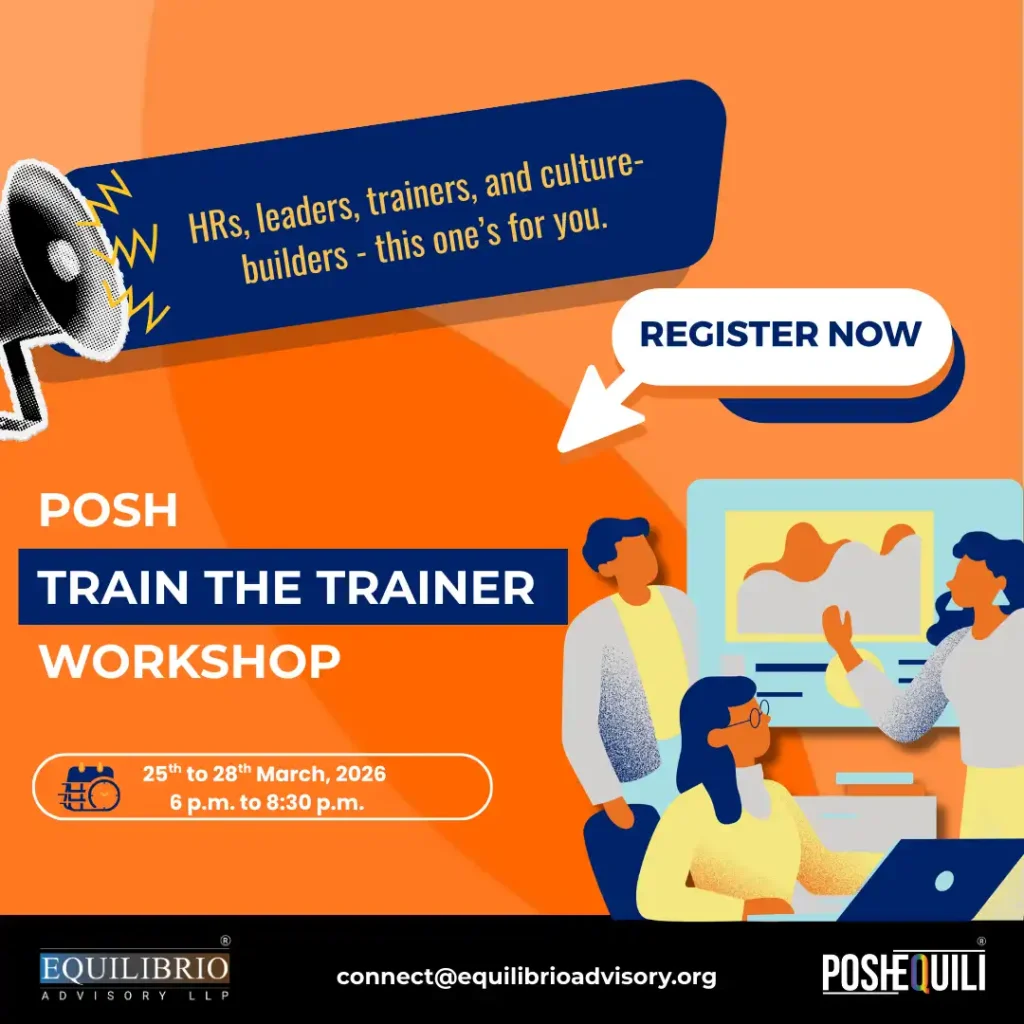
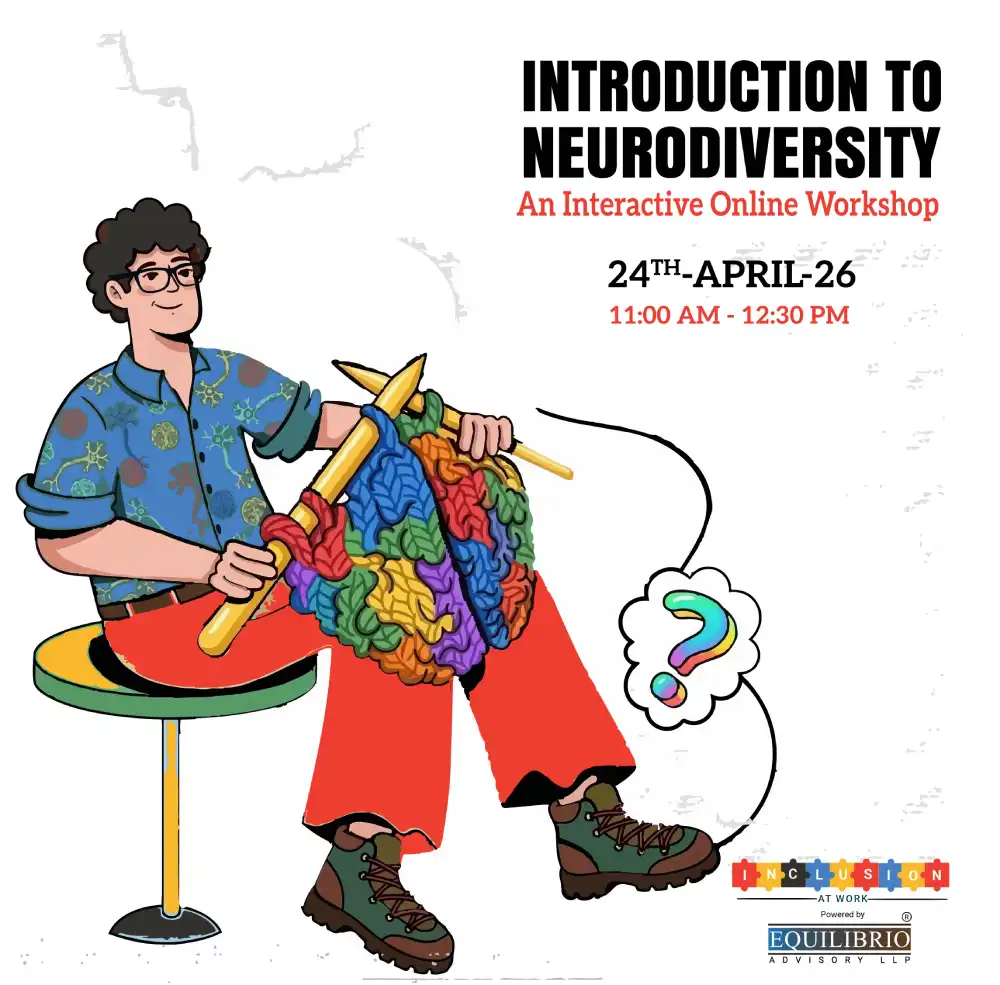
Join us for an introductory workshop that explores neurodiversity and its influence on individuals and workplaces. This interactive session breaks down essential concepts and sparks meaningful conversations to deepen awareness, empathy, and inclusion.
In the Spotlight!
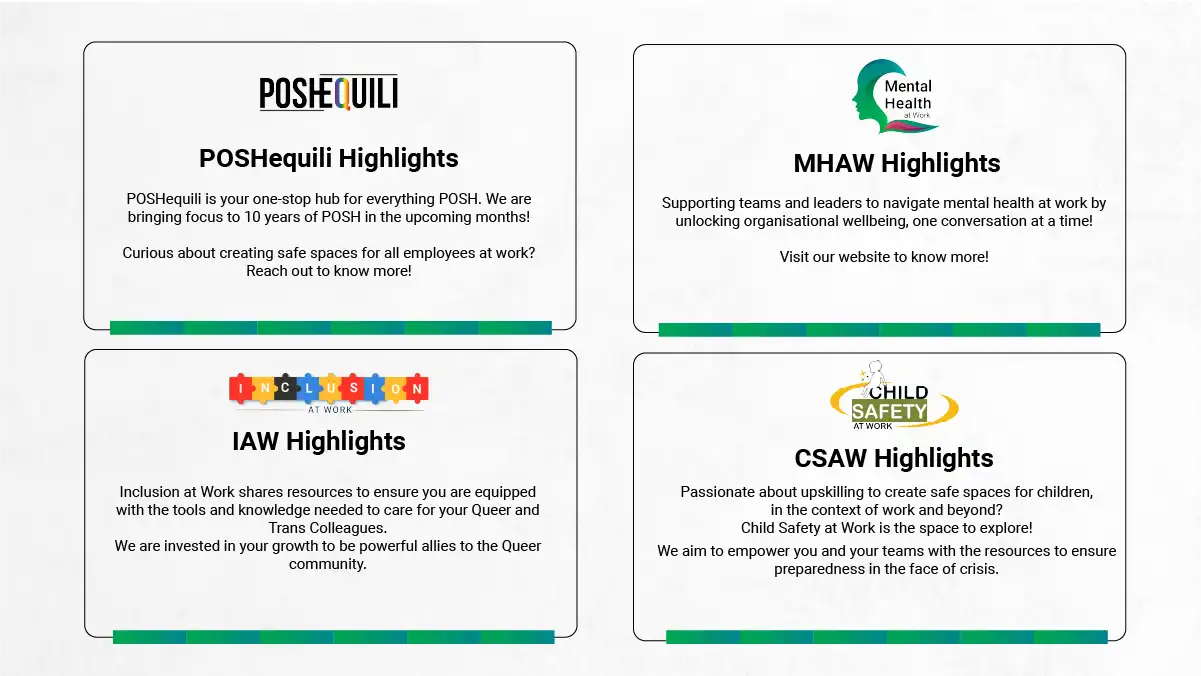
Explore ways to build your knowledge and capacity with our team of in-house experts!
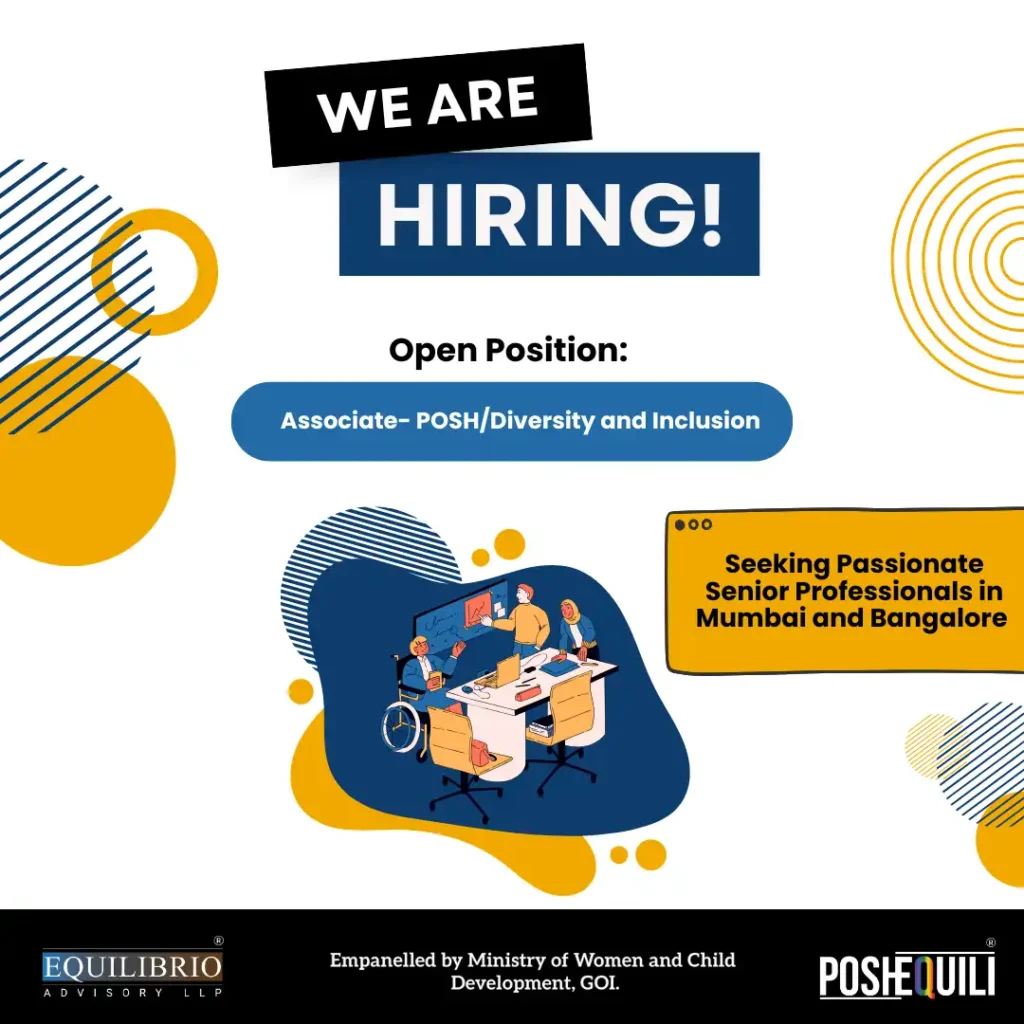
⏰ Hiring Alert!!
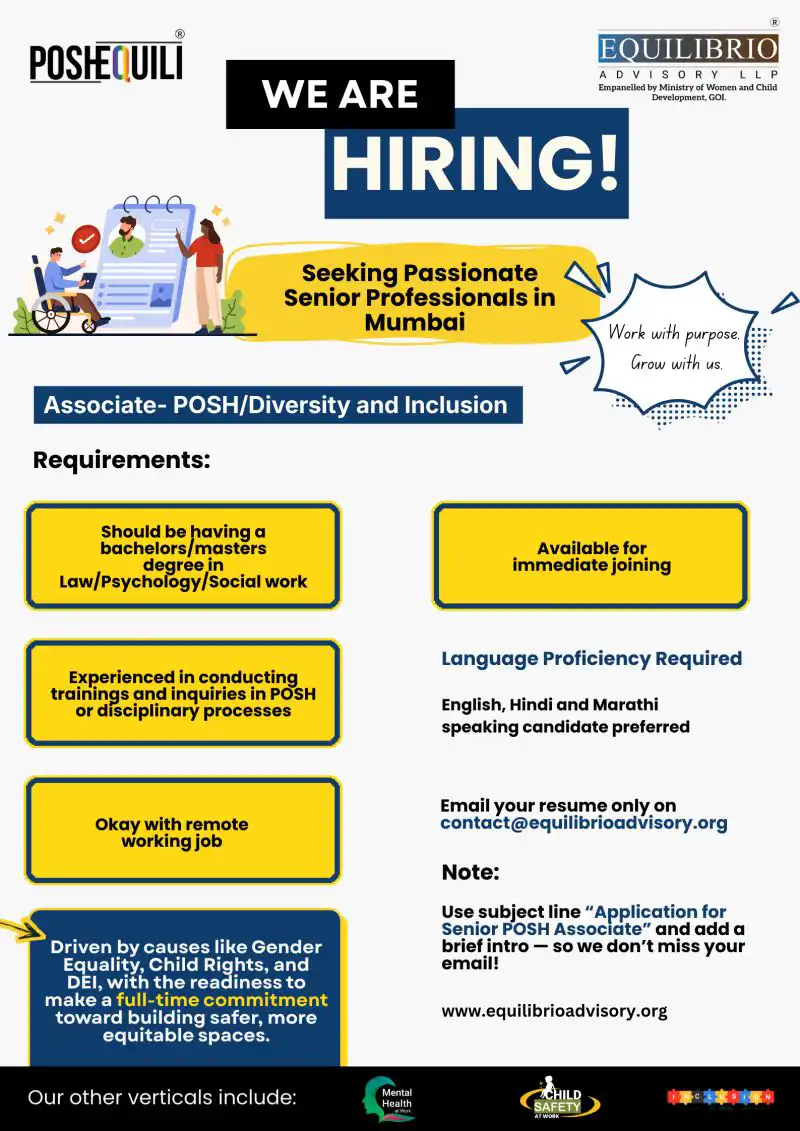
Ready for a role where your POSH experience actually creates change?
From leading trainings and inquiries to contributing to research and awareness content, this role lets you grow while working on intersectional, impact-driven work.
Stay Current!
~ Spotlighting Landmark Judgments since passing of the Law!
I - LEGAL UPDATES
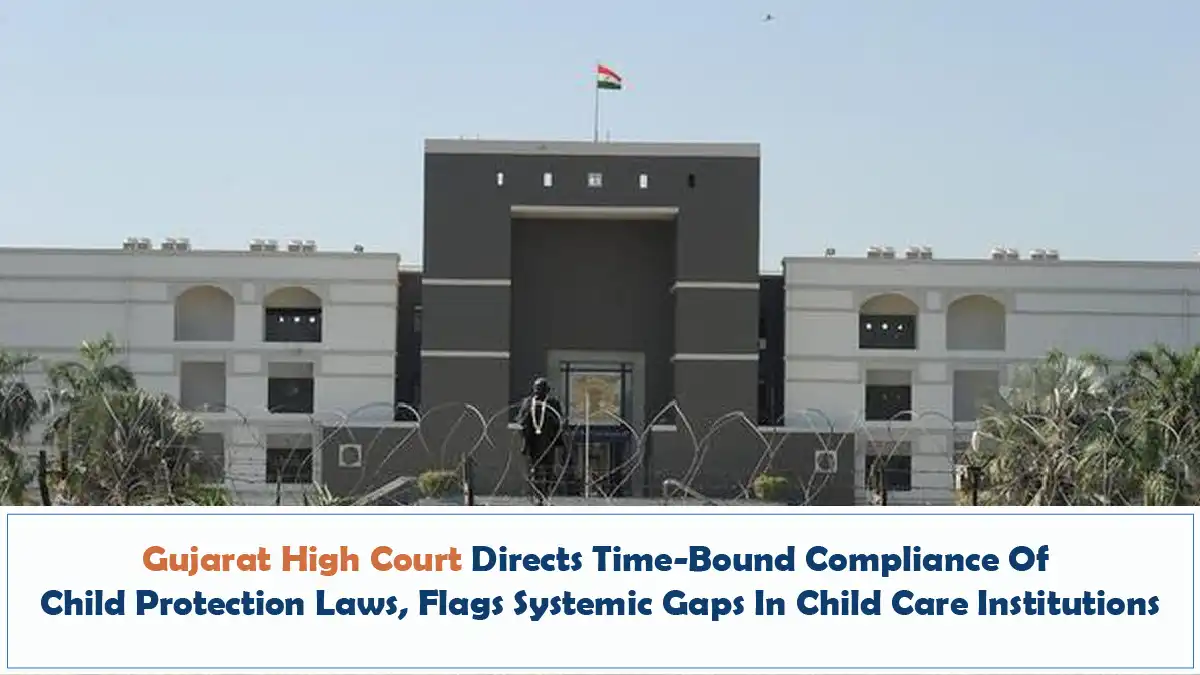
The Gujarat High Court has directed the State to frame a comprehensive Child Protection Policy and strengthen compliance mechanisms, including social audits and reporting. Emphasising a zero-tolerance approach to child abuse, the Court highlighted gaps in implementation and accountability, reinforcing the need for systemic reforms to ensure child safety across institutions.
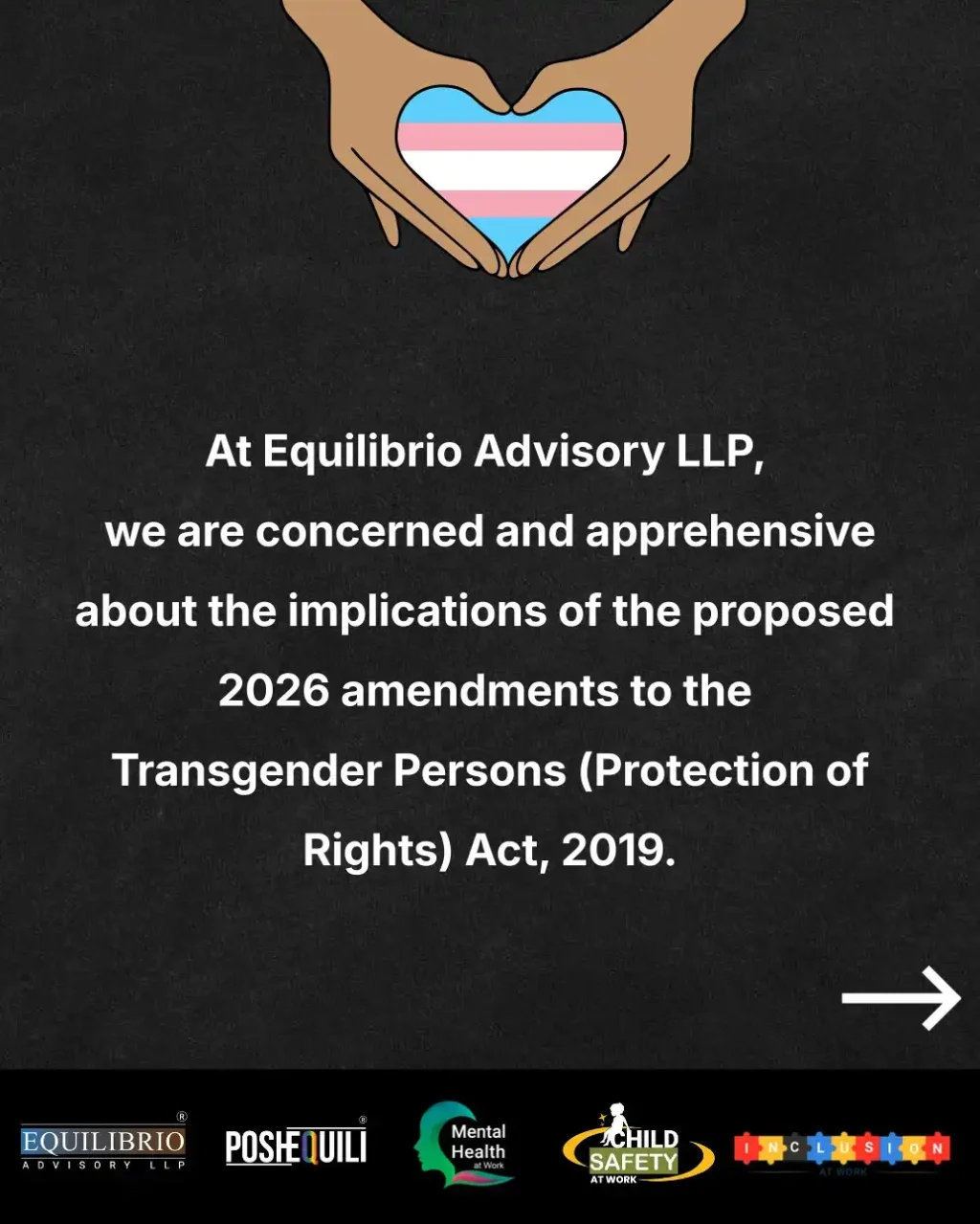
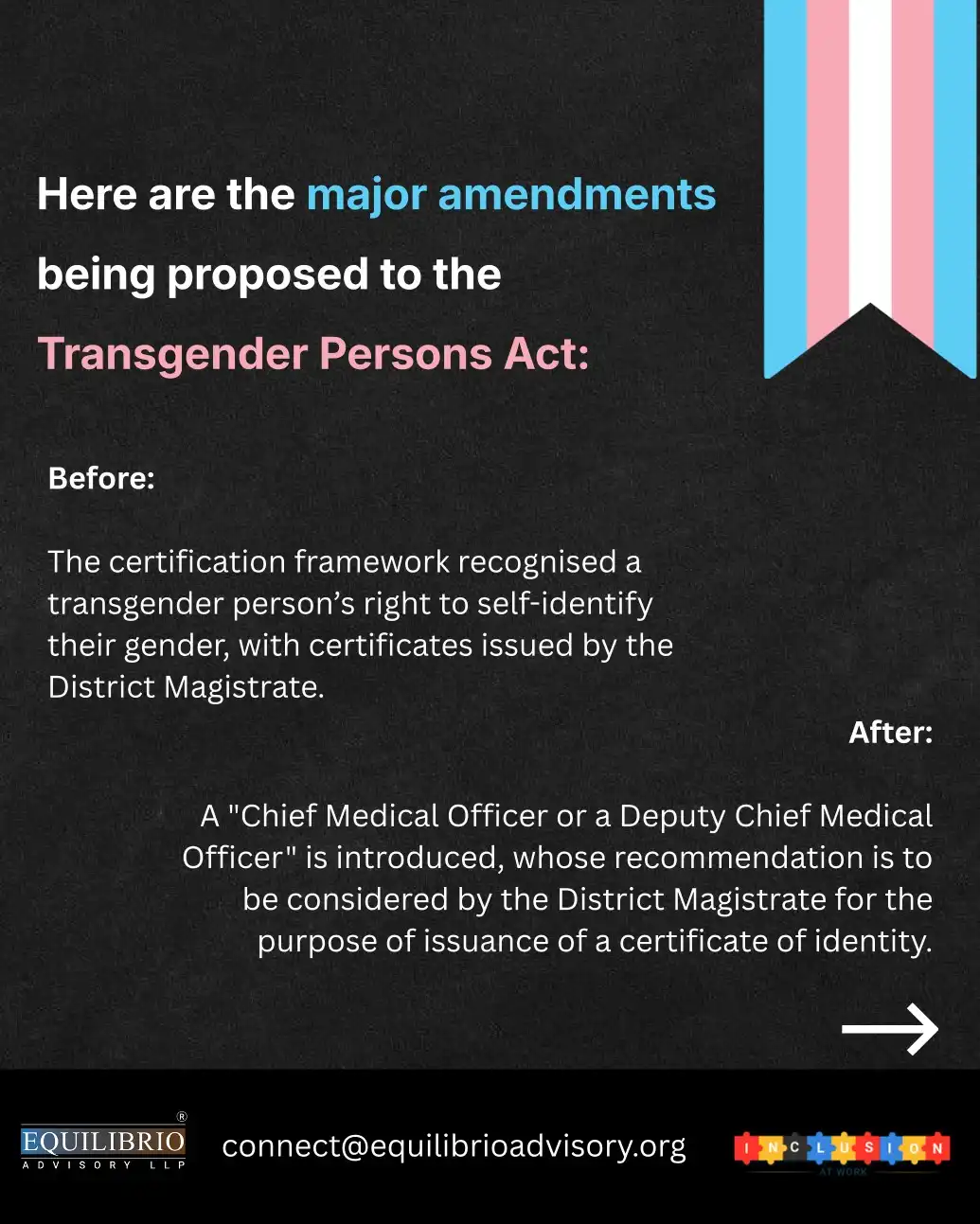
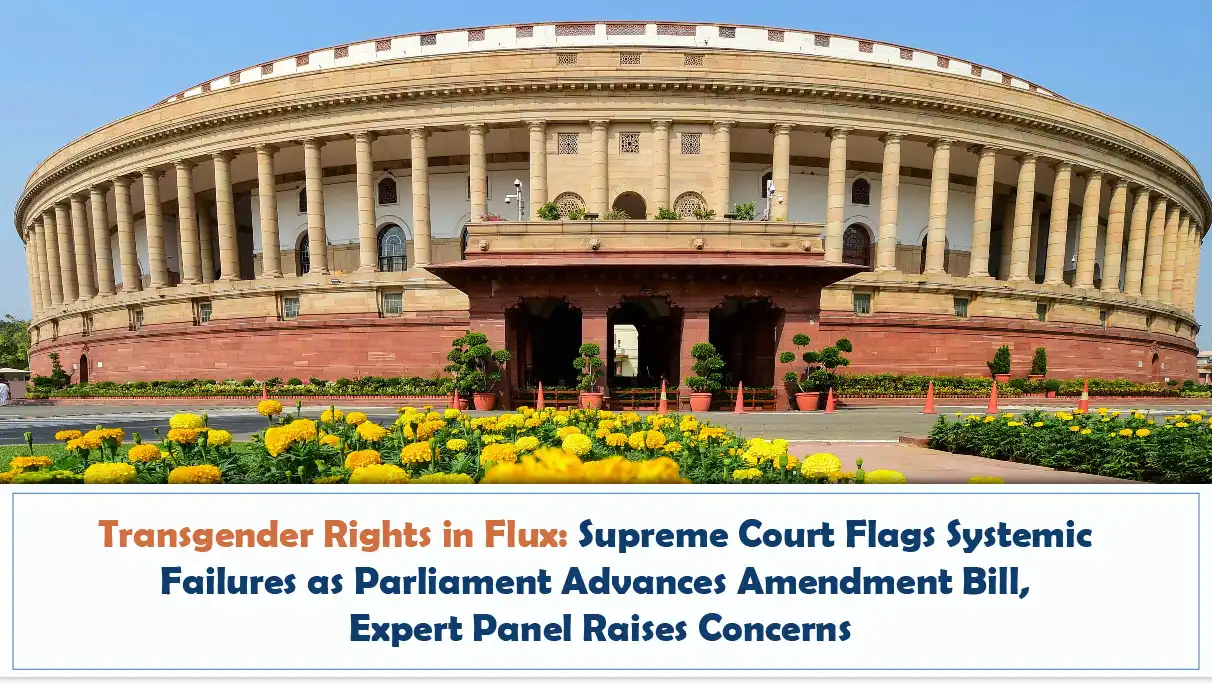
The Transgender Persons (Protection of Rights) Amendment Bill, 2026 marks a significant shift in India’s legal framework, from a self-identification model to a certification-based approach for recognising gender identity. While the Bill seeks to strengthen certain provisions, it has raised concerns around autonomy, exclusion, and increased bureaucratic control. The changes also bring into question their alignment with constitutional guarantees of dignity, equality, and the principles laid down by the Supreme Court in NALSA.
II - Exploring Intersections
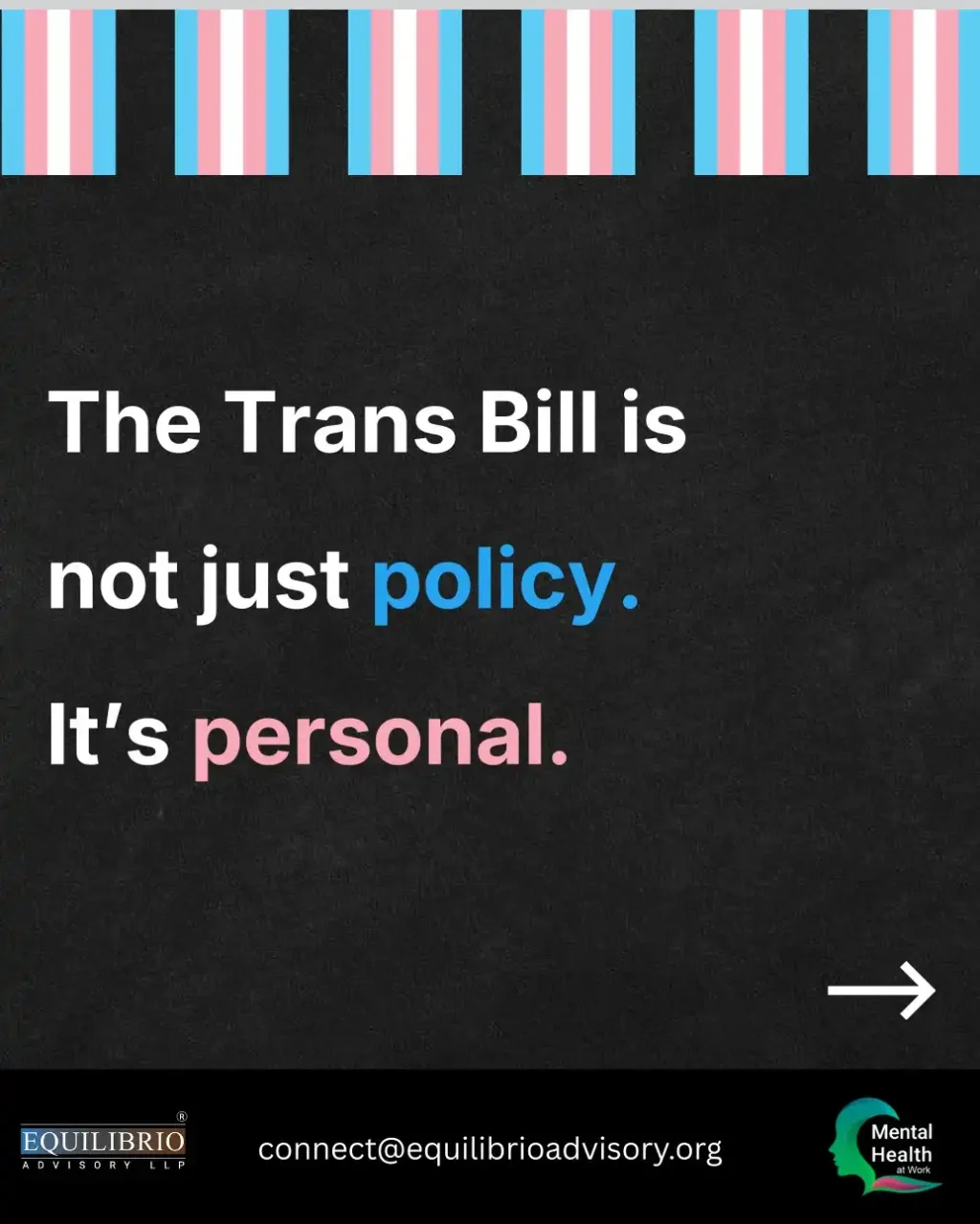
When policy harms instead of protects, it impacts bodies, identities, and daily life. The Trans Bill may evoke rage, grief, fear, and exhaustion—valid responses to exclusion. You’re not alone. We’re offering pay-what-you-can support groups to process and find community. For support, contact: wellbeing@equilibrioadvisory.org
Engage with us!
Here's your weekly food for thought through a Fun Fact or Quiz.
Did you know that Kerala’s judicial history is about to be made by Thanya Nathan C., a brilliant 24-year-old who is visually impaired since birth? Thanya has achieved the first rank in the judicial service examination, paving the way for her to become the state’s first visually impaired woman judge. This historic appointment is a testament to her exceptional legal mind, finally allowed to take her seat on the bench.
This achievement comes after a 2025 Supreme Court ruling dismantled the long-standing barrier of “unsuitability” used to exclude disabled practitioners. Thanya, an LLB rank-holder who utilized Braille and screen-reading technology, proved her merit alongside Joyson Sajan (second rank, cerebral palsy). Her appointment is a powerful call for the Indian judiciary to modernize its infrastructure and embrace inclusivity for all.

Have a burning question about POSH? Maybe Mental Health at Work, Child safety or DEI&B strategies? Drop us an email with your query and we would love to answer it, in all seriousness.
Curious Cat:
What is transvestigating and why is it harmful?
Answer:
Transvestigating is a harmful practice where individuals are falsely accused of being transgender as a tactic to discredit or attack them, particularly targeting women. This tactic is deeply rooted in transphobia – prejudice and discrimination against transgender people. By falsely labeling someone as transgender, transvestigating exploits existing societal biases and fears surrounding trans identities to undermine a person’s credibility, reputation, or legitimacy.
The harm caused by transvestigating is multifaceted: it perpetuates harmful stereotypes about transgender people, contributes to a climate of fear and suspicion. It’s a form of character assassination that equates the possibility of a trans identity as an insult or form of humiliation. To create genuinely safe and inclusive spaces, it is vital to actively identify, challenge, and root out transphobic biases. This includes understanding how such prejudices manifest, like in transvestigating, and holding those who engage in it accountable to foster environments where all individuals, regardless of their gender identity, are respected and protected.