This weekly newsletter is your gateway to staying current on relevant laws (like POSH, POCSO, Transgender Persons Act, etc.) and the psychosocial intersections that impact the workplace.
30th April 2026 | Issue No. 131
Upcoming Events
Mark your calendars! In this section, we highlight an upcoming event you won't want to miss.
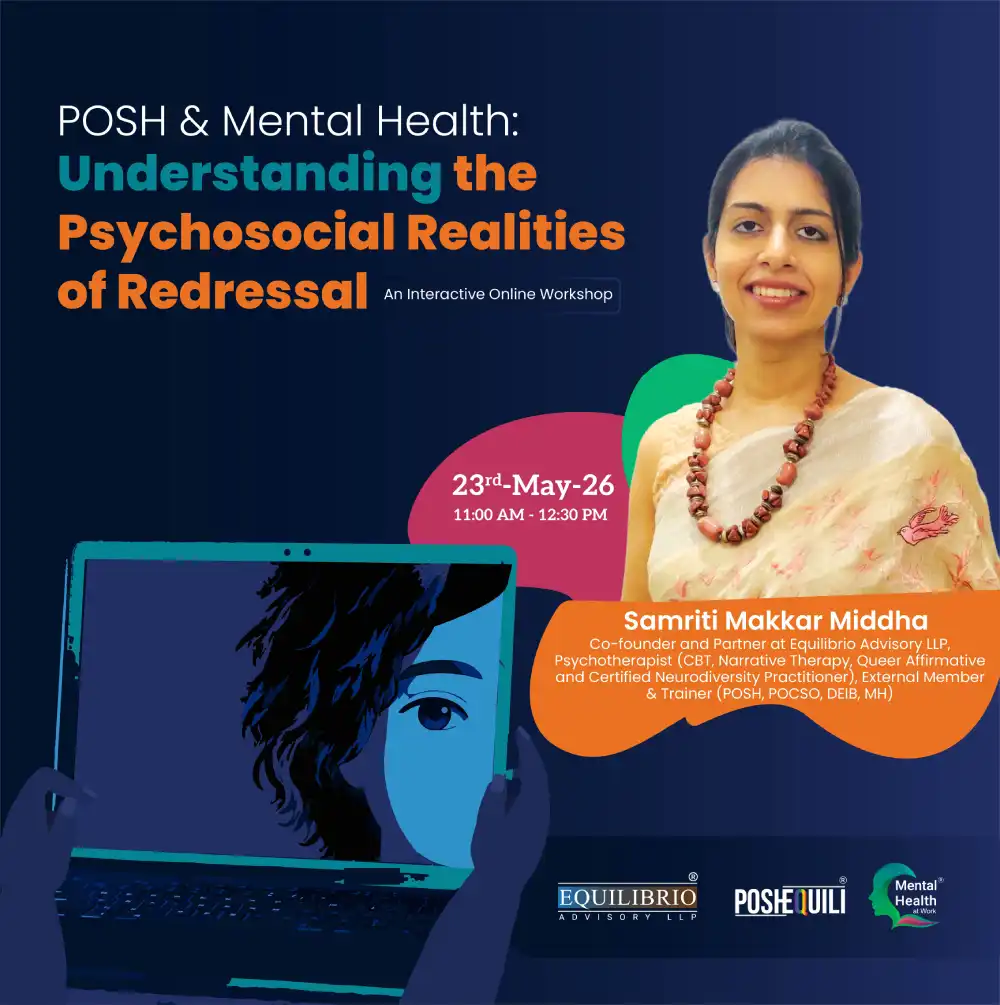
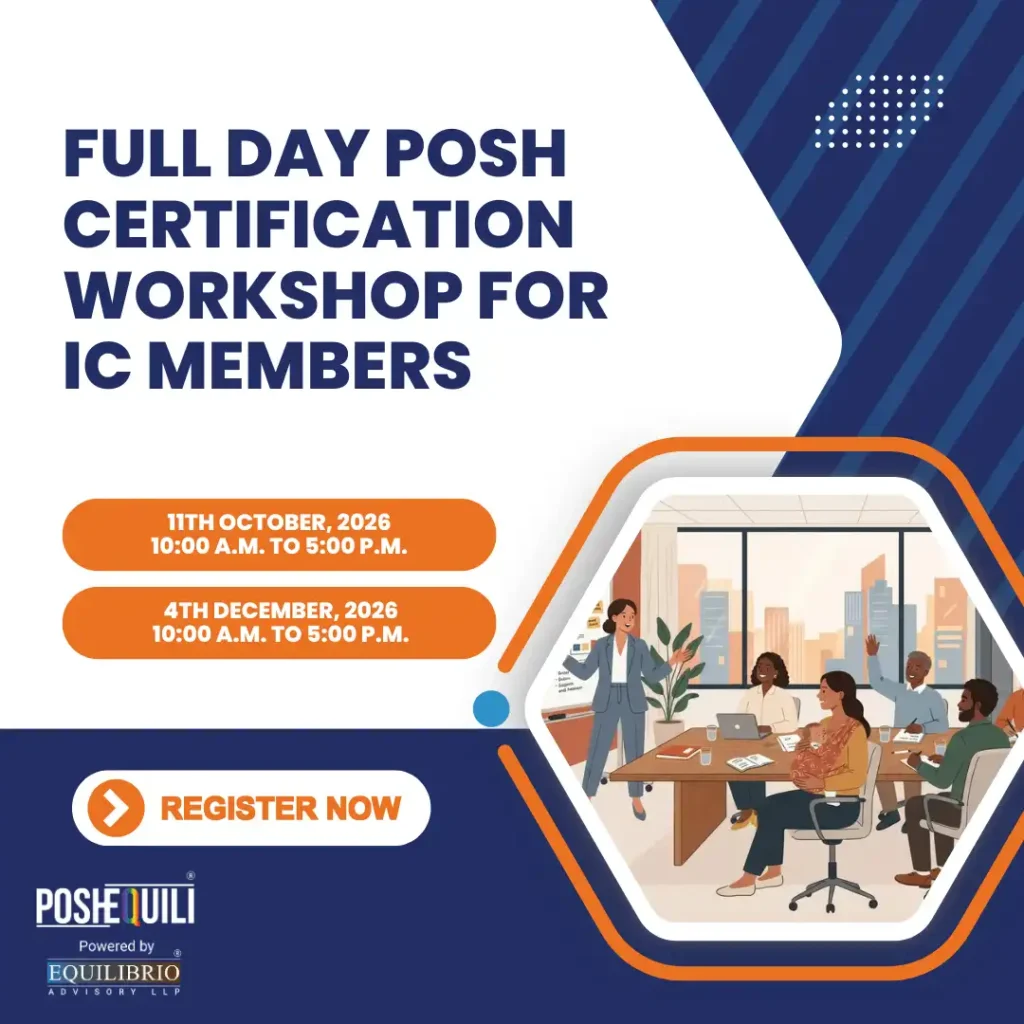
POSH goes beyond procedure.it’s deeply rooted in human experience. Join our 90-minute session on POSH & Mental Health to understand the psychosocial impact of redressal, navigate crisis situations, and build more empathetic, trauma-informed approaches. Gain practical insights to make your POSH processes more effective and responsive. Register now.
Explore ways to build your knowledge and capacity with our team of in-house experts!
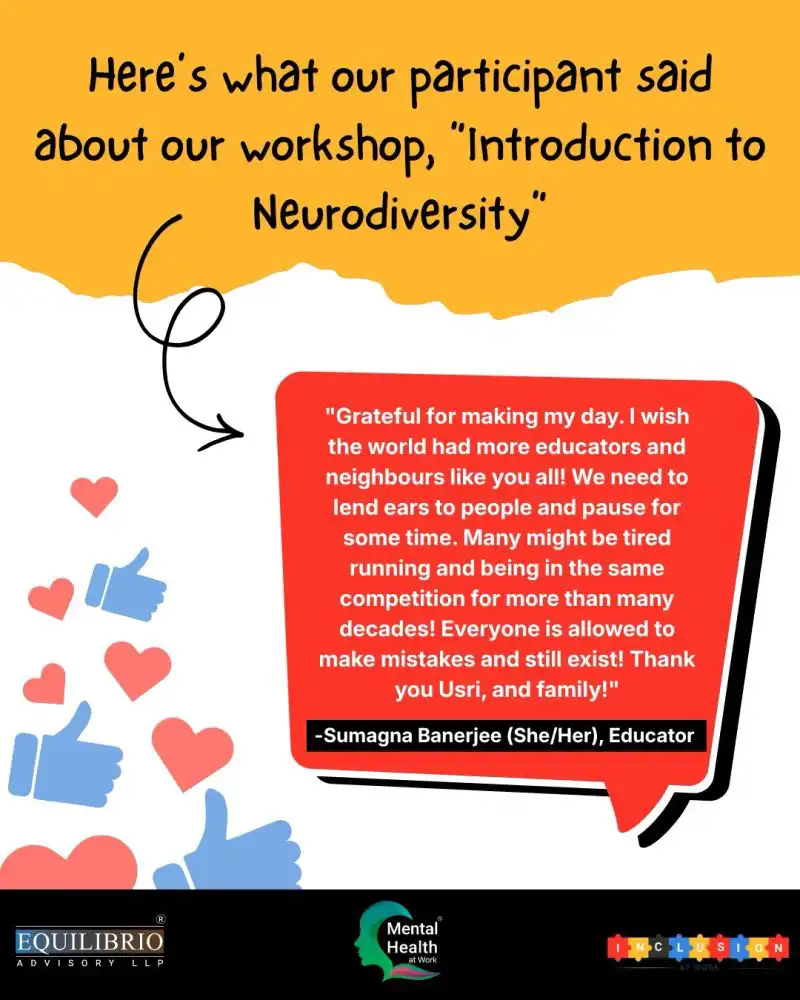
We’re thrilled to share glowing feedback from a participant of our “Introduction to Neurodiversity” workshop! It means so much to us and reflects the impact we strive to create.
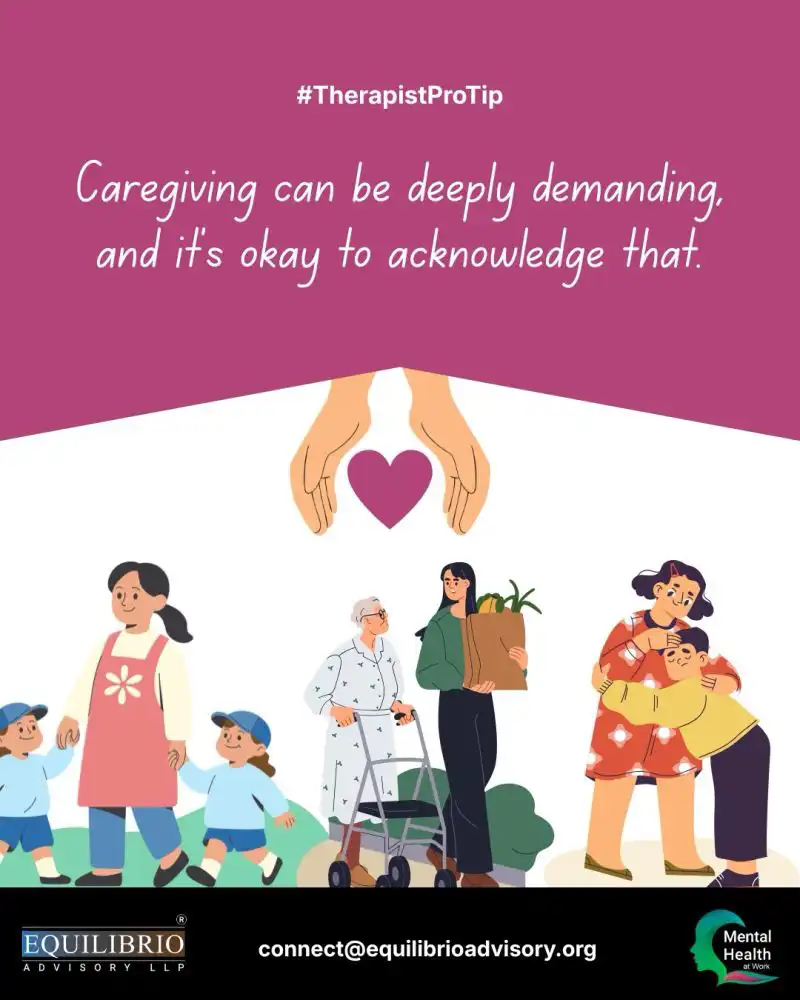
Autism Awareness Month reminder: caregiving can be demanding, and it’s okay to feel stretched. Meltdowns aren’t misbehaviour but nervous system responses focus on calm and safety. Small shifts like predictability and reduced sensory load help. A neurodiversity-affirming approach supports, not changes. And you matter too rest, seek support, and make space for yourself.
~ Spotlighting Landmark Judgments since passing of the Law!
I - LEGAL UPDATES
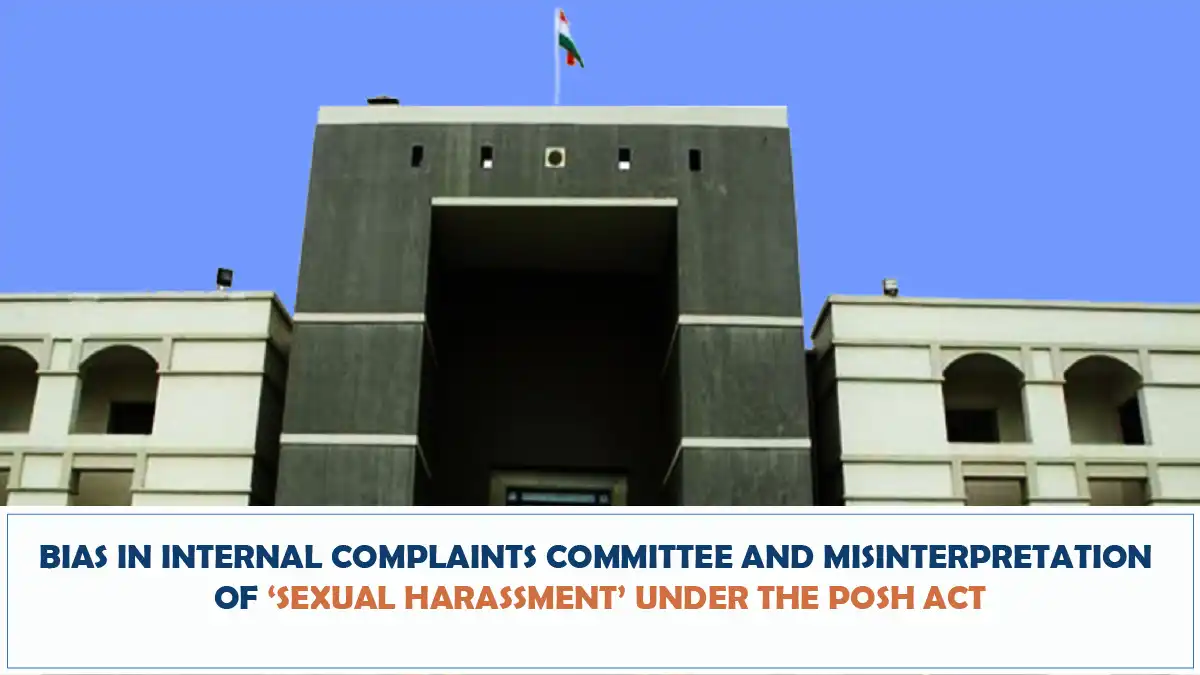
Bias in ICC constitution or inquiry process can vitiate proceedings; adherence to natural justice is essential. Reinforces requirement for impartial committees and fair hearings to sustain validity of POSH findings.
Section 14 action requires proof of malicious intent; mere non-substantiation of complaint is insufficient. ICC must avoid penalising complainants without clear evidence, ensuring protection against retaliatory misuse of false complaint provisions.
Courts uphold child-friendly procedures for recording testimony in POCSO cases, especially in penetrative assault matters; emphasises minimising trauma while ensuring evidentiary reliability, reinforcing procedural safeguards for child witnesses.
Courts may issue mandamus to enforce MHCA implementation where states fail to operationalise statutory obligations, including services and regulatory bodies; highlights judiciary’s role in ensuring access to mental healthcare as a legal right.
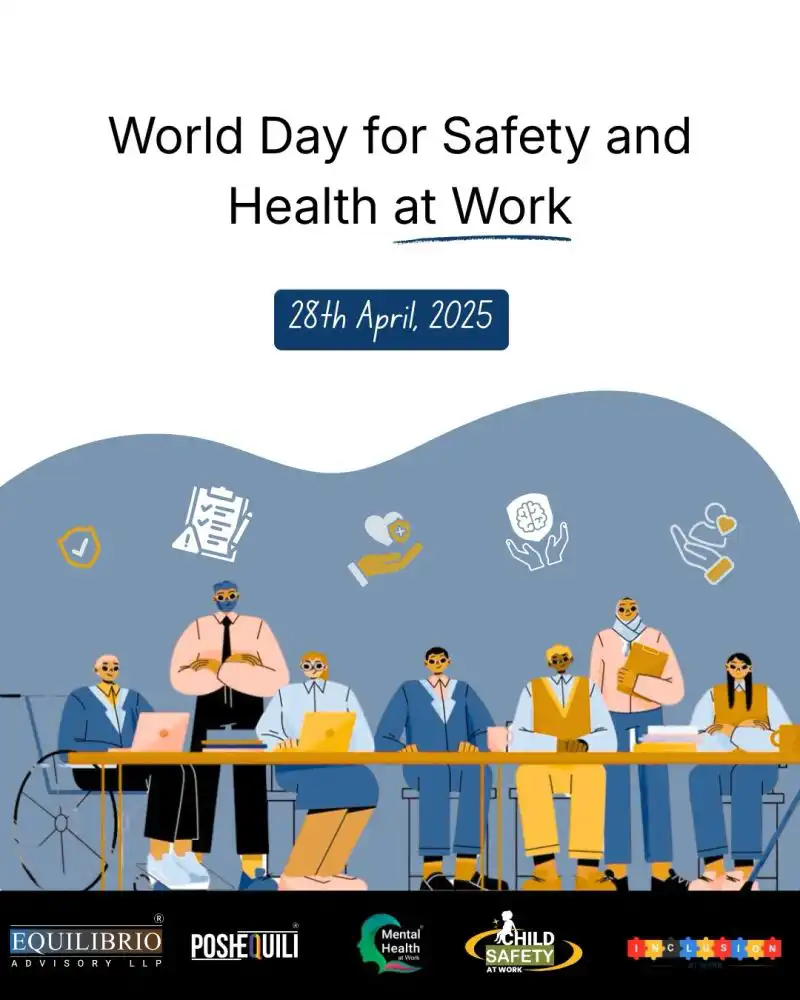
On World Day for Safety and Health at Work, we must ask: are workplaces truly safe or just compliant? Real safety spans inclusion, mental health, and protection beyond paperwork. It’s about being seen, supported, and valued. At Equilibrio Advisory, we build cultures where compliance is the foundation not the finish line.
Pune authorities mandate strict POSH compliance, including ICC constitution, reporting, and She-Box registration, following workplace safety concerns; signals district-level enforcement shift toward audits and accountability for non-compliant establishments.
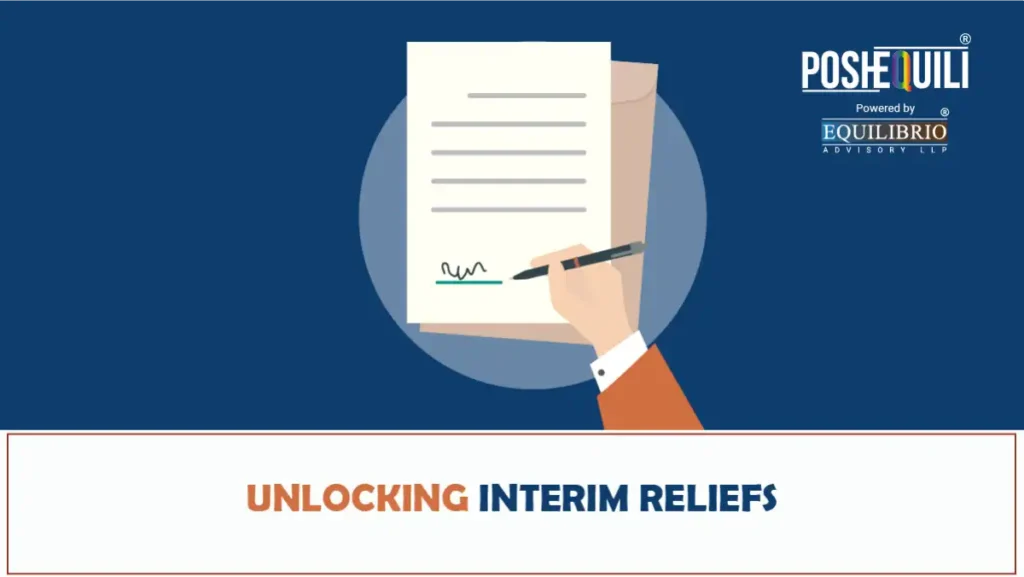
Our article titled “Unlocking Interim Reliefs” explains the concept and scope of interim relief by decoding the relevant legal provisions and outlining when and how such relief can be sought during an inquiry. It examines the process followed by the IC in granting interim relief and further moves towards understanding the rights of the complainant and clarifying the supportive role played by the HR in its implementation. Further it also discusses the various kinds of interim relief which is permissible as well as impermissible under the law.
Here's your weekly food for thought through a Fun Fact or Quiz.
Did you know that some non-profits in West Bengal helped autistic young adults prepare for the recent legislative elections by simulating the voting process?
These mock polling booths allowed participants to practice navigating queues, understanding instructions, and the steps involved in casting a vote. This practical rehearsal helps reduce the stress of unfamiliar environments, crowds, and the complex sequence of steps involved in casting a vote for autistic persons.
The level of preparation was tailored to individual needs. For autistic voters who had prior voting experience, a single rehearsal might suffice. However, first-time voters often benefited from several practice rounds. This highlights a crucial point: accessibility cannot be a one-size-fits-all solution. Designing voting systems with diverse support needs in mind ensures that democratic participation is truly inclusive for everyone, not just the “default” voter.
Have a burning question about POSH? Maybe Mental Health at Work, Child safety or DEI&B strategies? Drop us an email with your query and we would love to answer it, in all seriousness.
Curious Cat:
What are the common symptoms of Parkinson’s disease, and how can people living with it be supported?
Answer:
Parkinson’s disease often manifests with tremors, typically starting in the hands or fingers, and slowed movements that make everyday tasks difficult. Muscle rigidity, poor posture and balance, and a loss of automatic movements like blinking or arm swinging while walking are also common. Individuals may experience speech changes such as speaking softly or in a monotone, and their handwriting can become cramped and small. Beyond motor symptoms, non-motor issues like depression, anxiety, constipation, sleep problems, and cognitive changes can occur. Recognizing these challenges, World Parkinson’s Day is celebrated annually on April 11th to raise awareness and promote understanding of this condition.
The World Health Organization reports that the prevalence of Parkinson’s has doubled in the past 25 years. While Parkinson’s cannot be cured, medications can help manage symptoms, and surgery is sometimes recommended to control specific brain areas and lessen symptoms. To uphold the mental wellbeing for people living with Parkinson’s therapeutic access also proves crucial. It not only helps individuals with Parkinson’s adjust to their new reality, but also equips care-givers to navigate the complexities of this condition.
Here’s all the tools you need to build safe and equitable workspaces!
Drop us a Hey, to get started!