

The Equilibrio Gazette
A brief buletin for building safe workspaces!
5th June 2026 | Issue No. 136
Upcoming Events
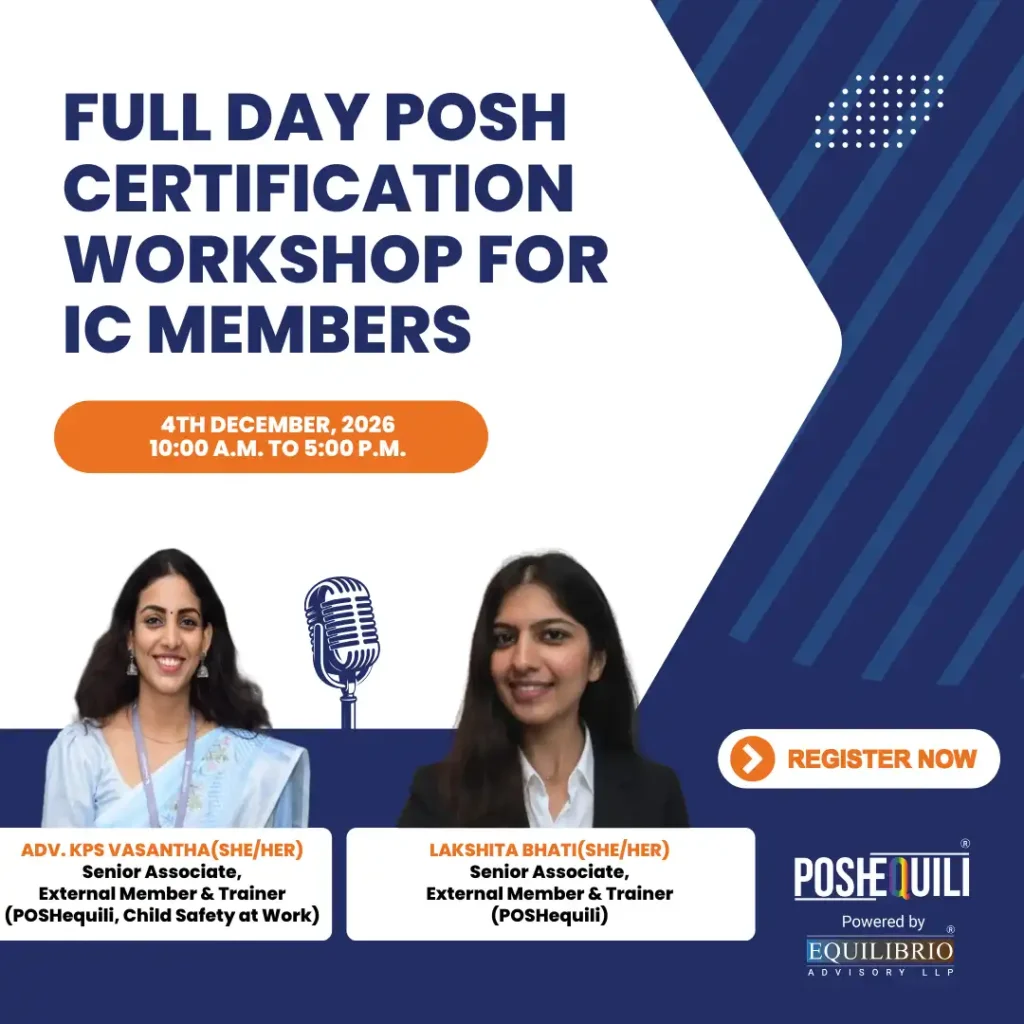
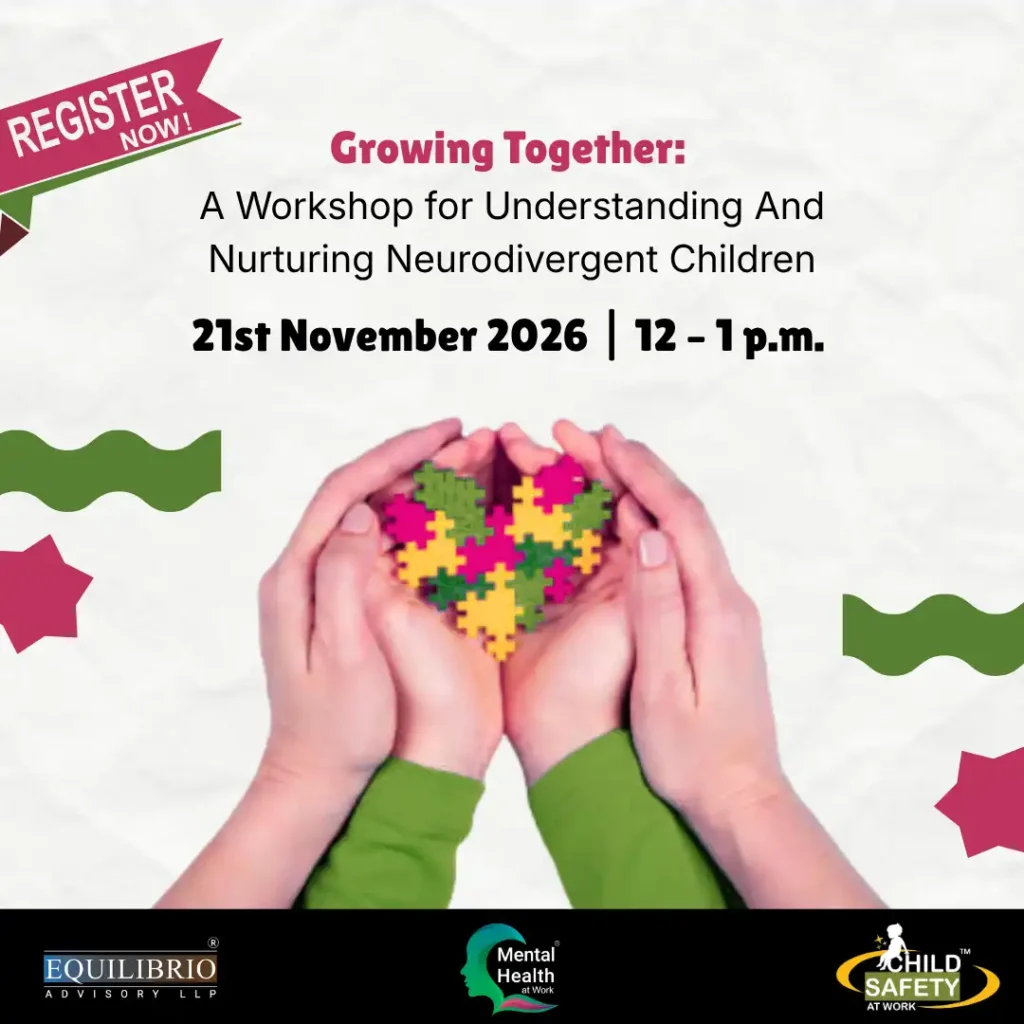
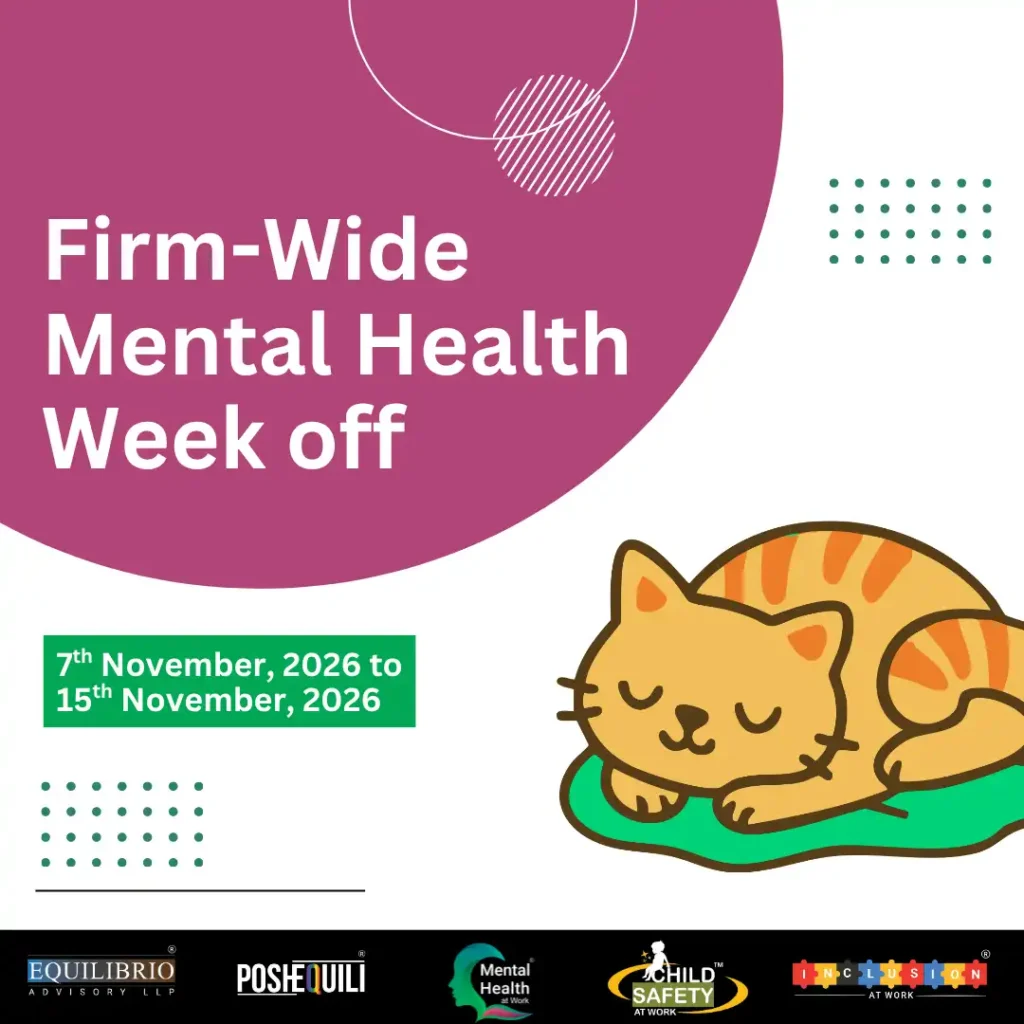
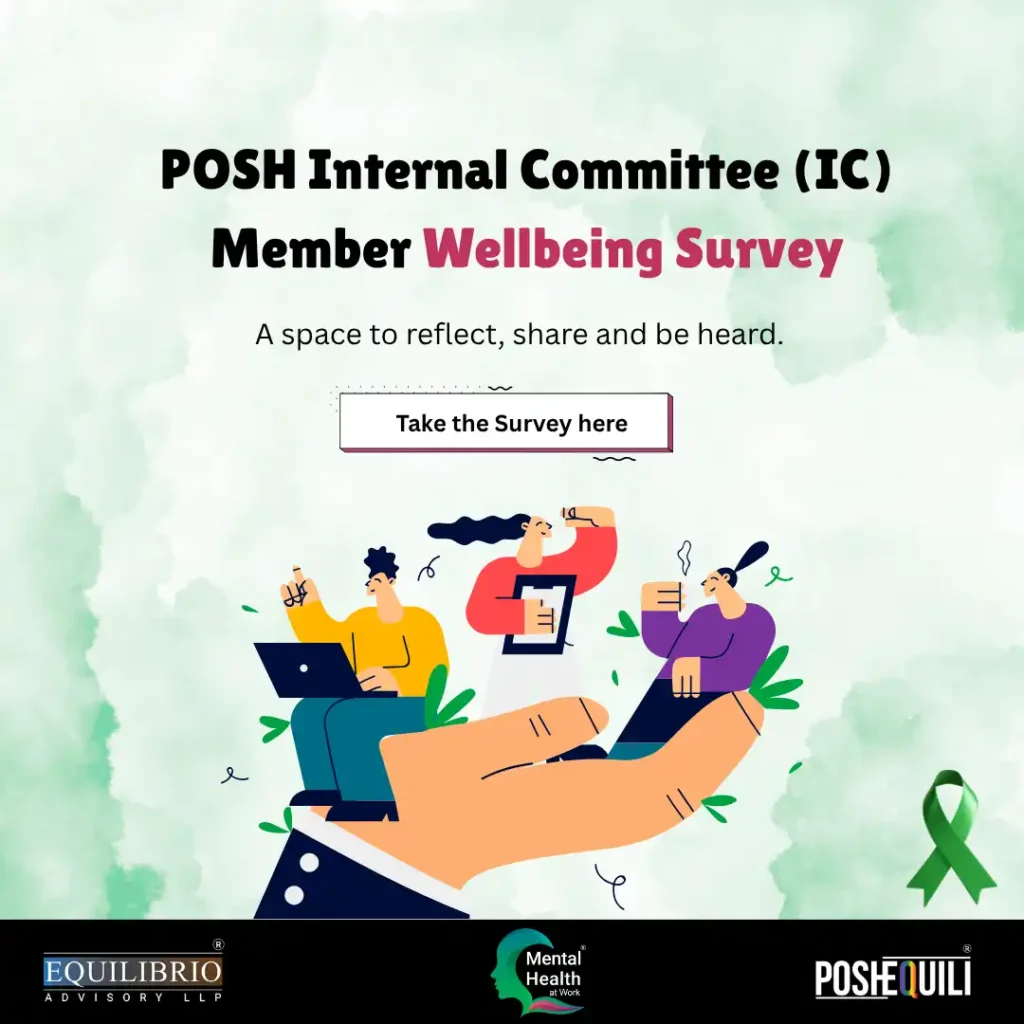
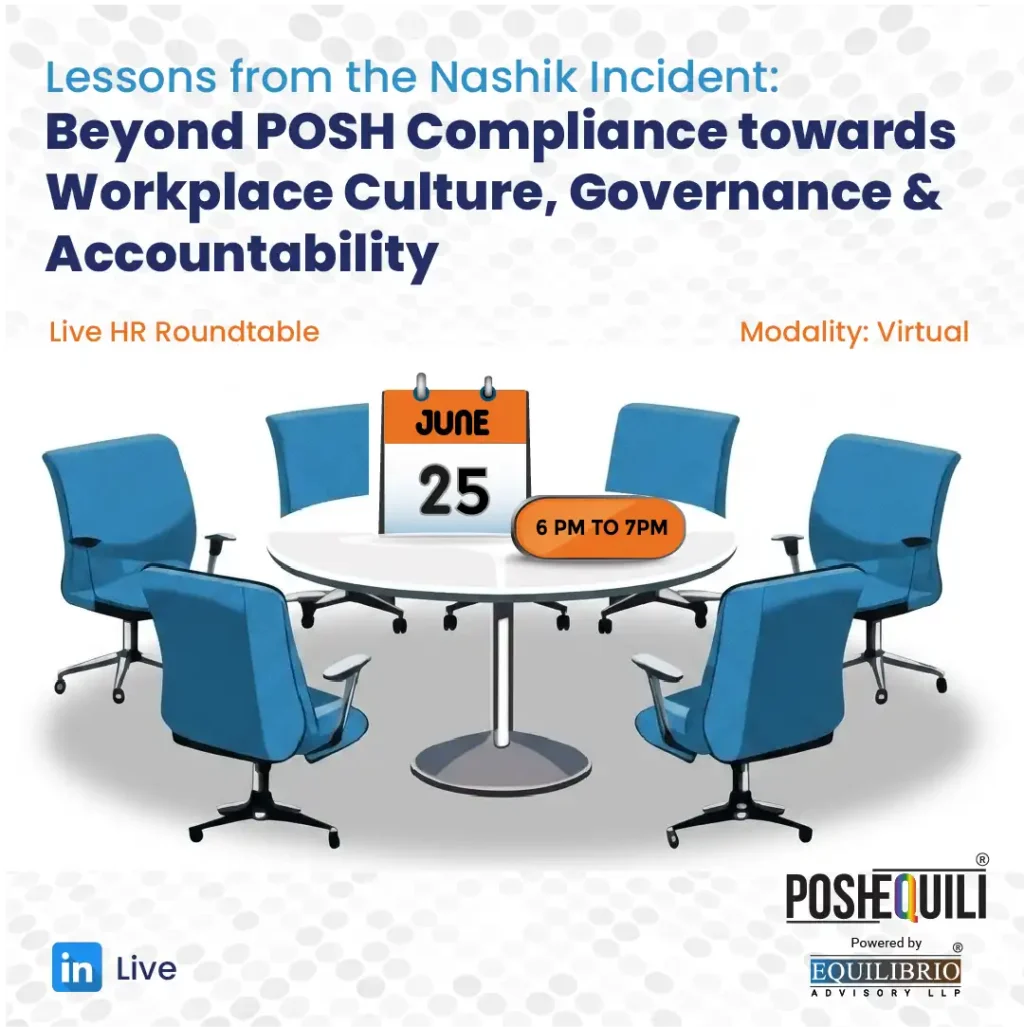
Mark your calendars! In this section, we highlight an upcoming event you won't want to miss.

In the Spotlight!
Explore ways to build your knowledge and capacity with our team of in-house experts!
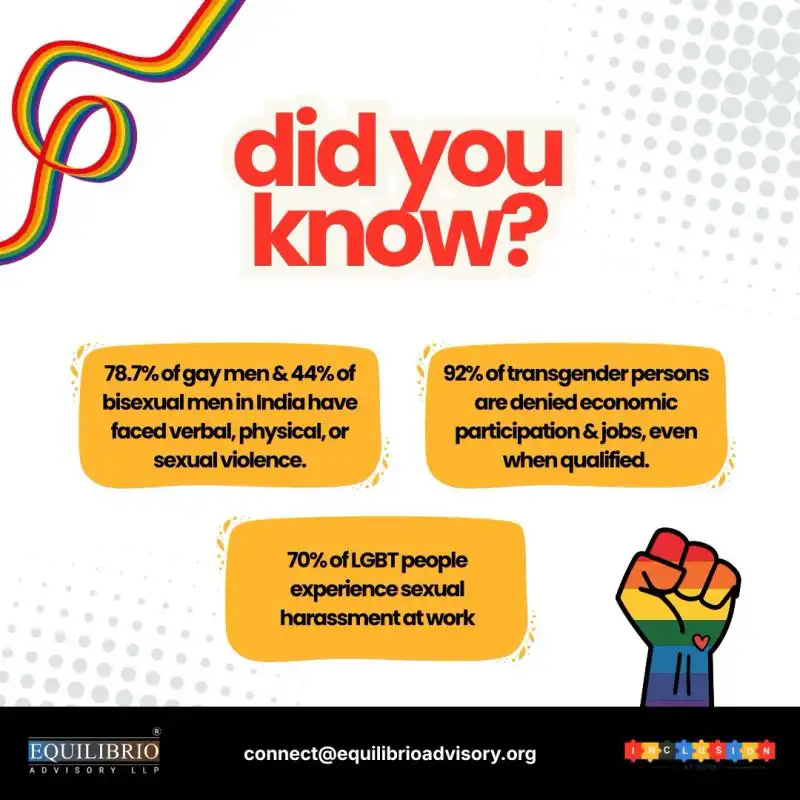
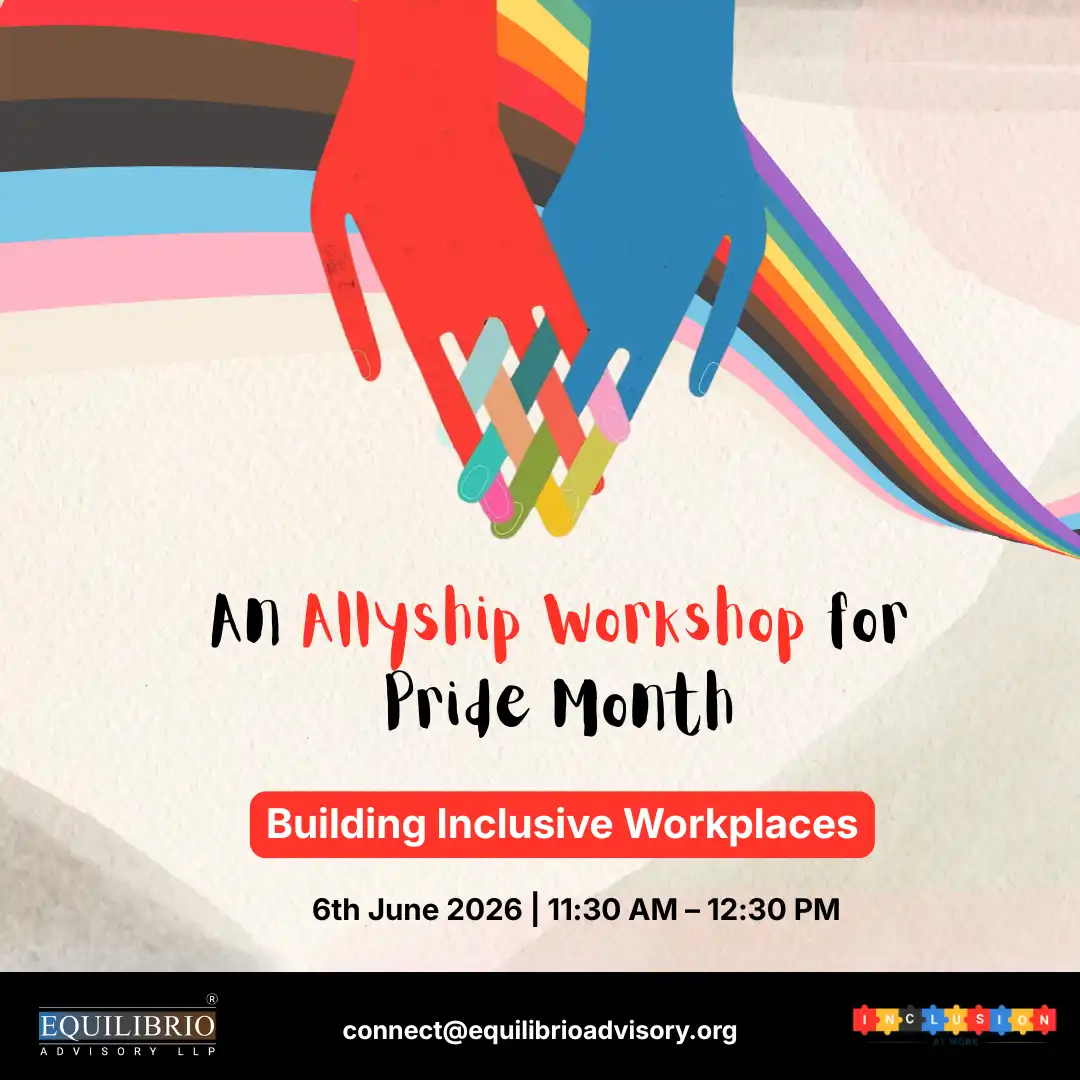
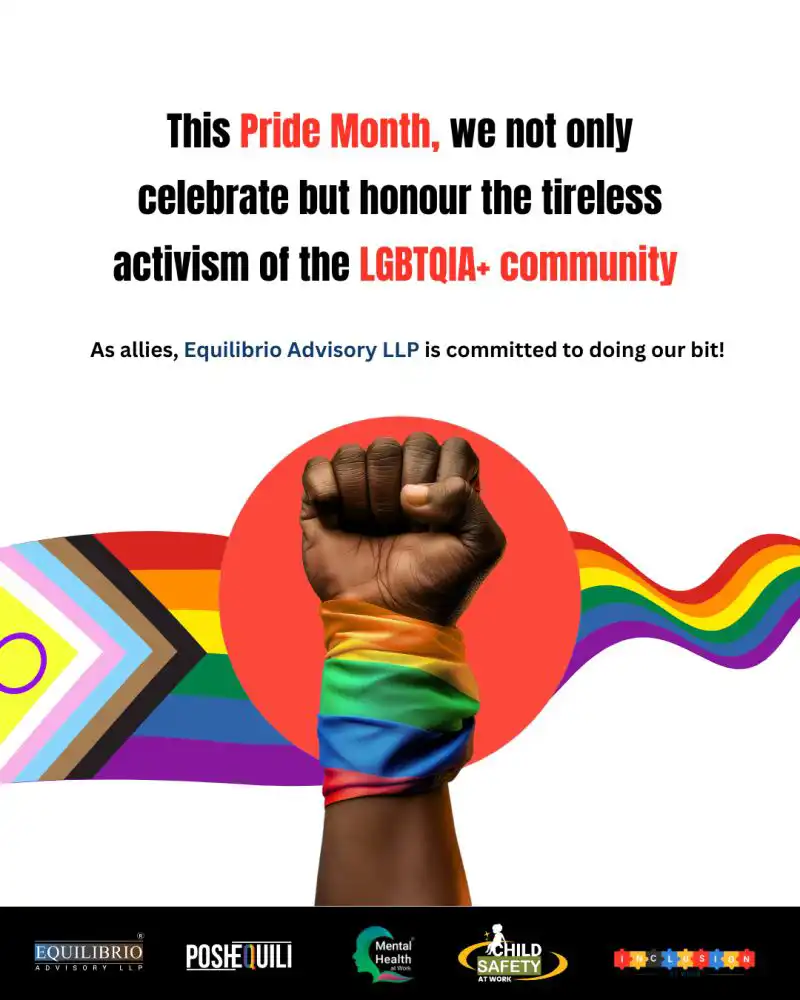
Behind every statistic on LGBTQIA+ discrimination is a person whose safety, dignity, and opportunities are affected. Allyship is more than acceptance- it requires action. This Pride Month, join our Allyship Workshop: Building Inclusive Workplaces and learn practical ways to foster belonging, challenge bias, and create safer, more equitable workplaces.
Since we are stepping out of Mental Health Awareness Month, but recognise that we need to keep our gaze on mental health all year round, we invite you to visit our Stress Awareness Series. Explore practical insights, reflective prompts, and evidence-informed perspectives to better understand stress, build awareness, and support wellbeing at work and beyond.
Stay Current!
~ Spotlighting Landmark Judgments since passing of the Law!
I - LEGAL UPDATES

The Calcutta High Court reaffirmed that the statutory presumption under Section 29 of the POCSO Act is not automatic and can be invoked only after the prosecution establishes foundational facts through credible and admissible evidence. The Court cautioned against mechanical reliance on statutory presumptions and stressed that courts must independently assess the reliability of witness testimony, medical evidence, and investigative records before shifting the burden onto the accused. The decision underscores the importance of balancing child protection objectives with the requirement of fair trial and judicial scrutiny.

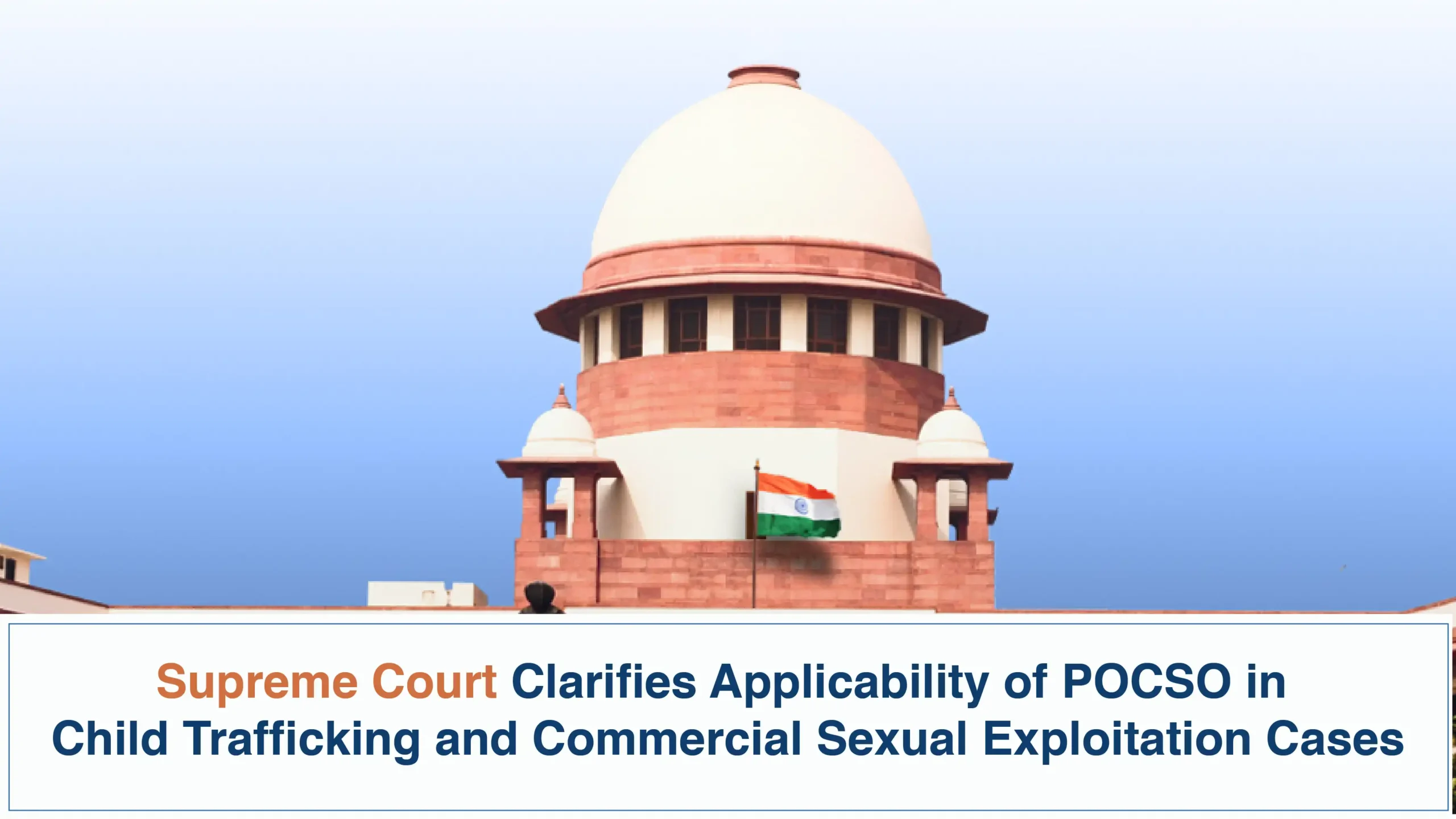
The Supreme Court clarified that where a child is trafficked and subjected to commercial sexual exploitation, the Protection of Children from Sexual Offences Act, 2012 (POCSO) may be invoked in addition to trafficking-related offences under the Bharatiya Nyaya Sanhita, 2023 and the Immoral Traffic (Prevention) Act, 1956. The Court emphasised that child victims of trafficking are entitled to the substantive offences and procedural safeguards under POCSO, including child-friendly reporting, investigation, and trial mechanisms. The judgment reinforces a victim-centric approach by recognising the complementary operation of anti-trafficking and child-protection laws.
II - Exploring Intersections
Engage with us!
Here's your weekly food for thought through a Fun Fact or Quiz.
Did you know that a new Global Burden of Disease study in The Lancet reveals a sharp rise in mental health conditions in India between 1990 and 2023? Anxiety and depression are leading this surge, making mental health one of India’s most pressing public health challenges. Cases of anxiety disorders rose by 123.5% (from 2,591.9 to 5,792.8 per 100,000), and major depressive disorder increased from 2,147.1 to 2,799.6 per 100,000. These statistics highlight an urgent need for improved mental health care systems, greater awareness, and robust support structures.
Globally, mental disorders are the leading cause of disability, affecting all nations. With only 9% of those experiencing depression and anxiety receiving adequate support worldwide, India faces a critical need for stronger school counselling, affordable therapy, trained healthcare professionals, community services, crisis support, and workplaces that prioritize mental health. Addressing these challenges is paramount to lessening stigma and ensuring better care for all.

Curious Cat:
Who is a non-binary person and how to support them?
Answer:
A non-binary person is someone whose gender identity does not exclusively fit within the male or female categories of the gender binary. Their gender identity might be a combination of male and female, neither male nor female, or another gender identity altogether.
Supporting non-binary individuals in our institutions and beyond involves actively creating inclusive environments. This starts with moving away from assumptions; we should avoid assuming someone’s gender based on their appearance or voice. Instead, a crucial step is to respectfully ask for their pronouns and consistently use them, and similarly, ask for and use the name they go by. Allowing flexible dress codes in educational institutions or workspaces can also be a supportive measure, enabling individuals to express their gender identity authentically. These simple, intentional actions contribute significantly to fostering a sense of belonging and safety for non-binary people.
If you want to learn more about how to be a supportive ally, our Allyship workshop is just the place to start. Join us now!