


The Equilibrio Gazette
A brief buletin for building safe workspaces!
This weekly newsletter is your gateway to staying current on relevant laws (like POSH, POCSO, Transgender Persons Act, etc.) and the psychosocial intersections that impact the workplace.
29th May 2026 | Issue No. 135
Upcoming Events
Mark your calendars! In this section, we highlight an upcoming event you won't want to miss.
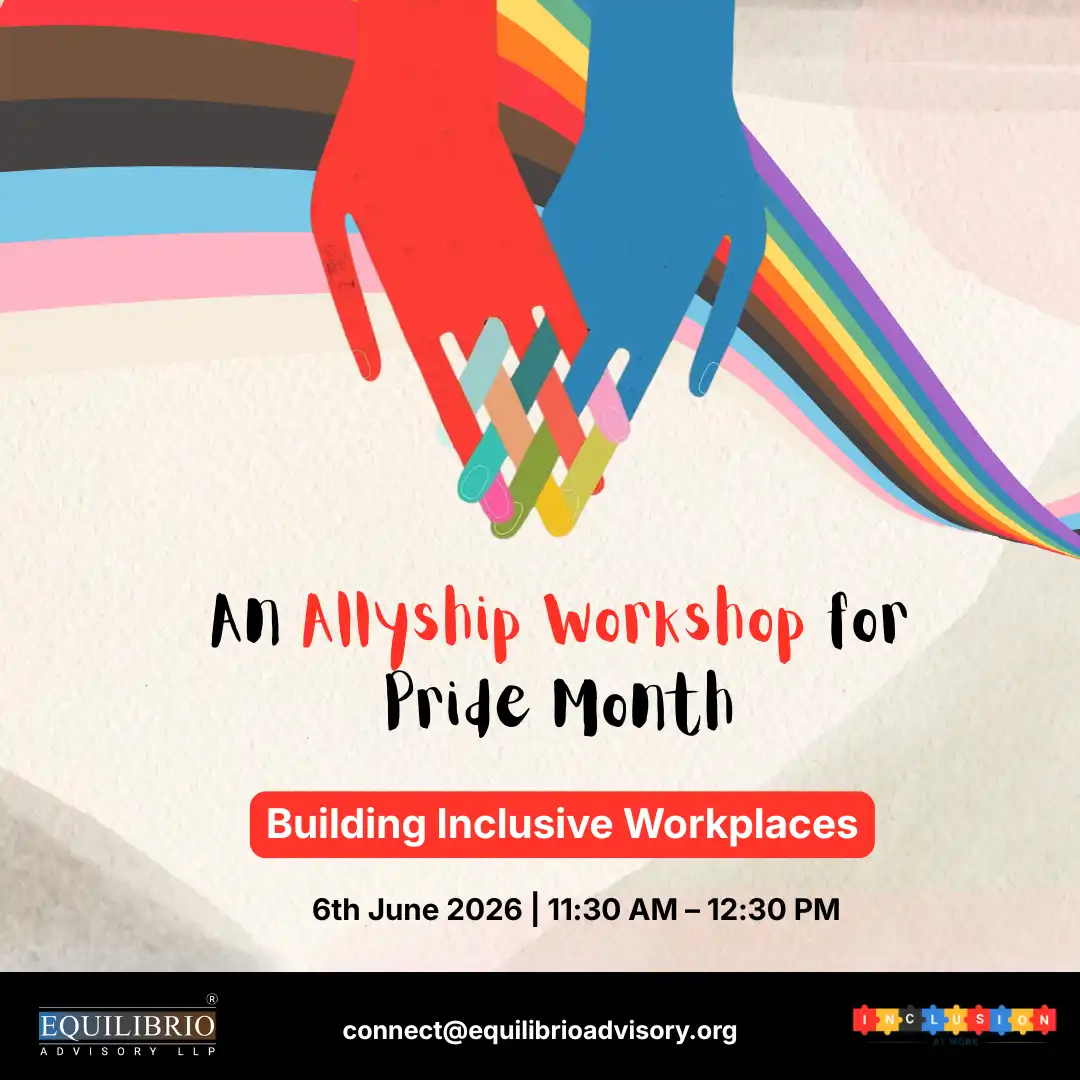
Empower employees to build a more inclusive workplace through this interactive Allyship Workshop. Participants explore unconscious bias, inclusive communication, and everyday allyship while learning practical strategies to foster equity, belonging, and psychological safety. The session equips teams with actionable tools to support diversity and strengthen workplace culture.
In the Spotlight!
Explore ways to build your knowledge and capacity with our team of in-house experts!
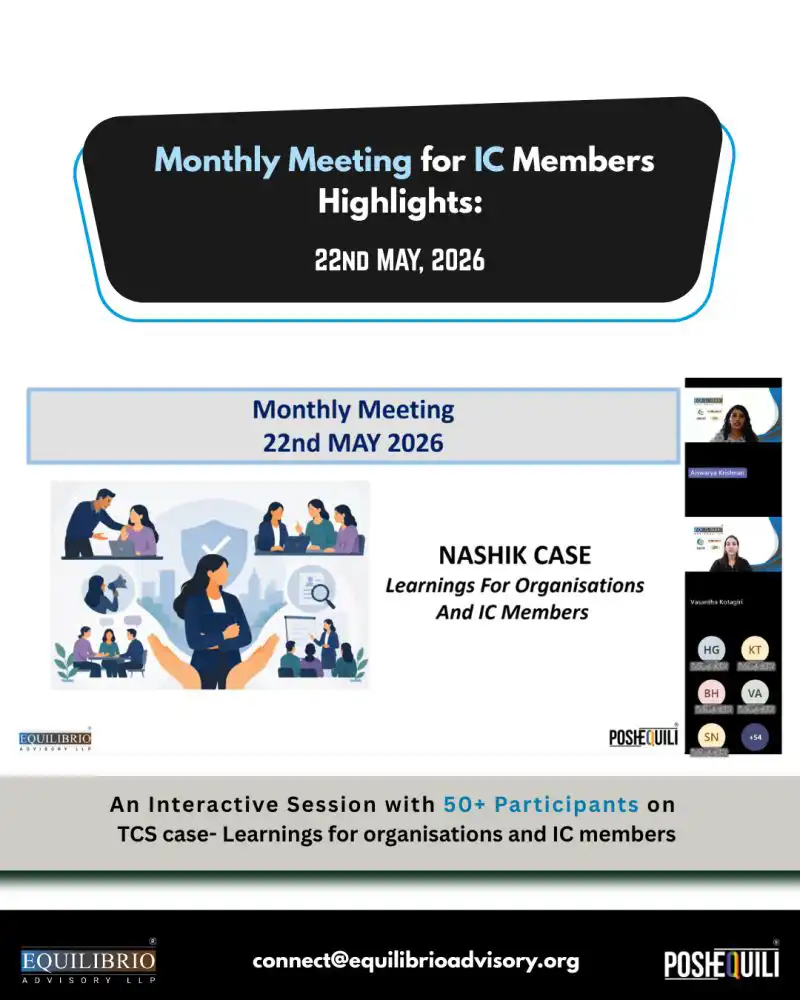
This month’s POSHequili IC Meeting focused on the NASHIK case, led by Adv. Vasantha Kotagiri and Aiswarya Krishnan. Discussions covered risks of informal complaint handling, managing complex POSH cases, and ensuring effective policy implementation. Thank you to all IC members for their thoughtful participation and commitment to safer workplaces.
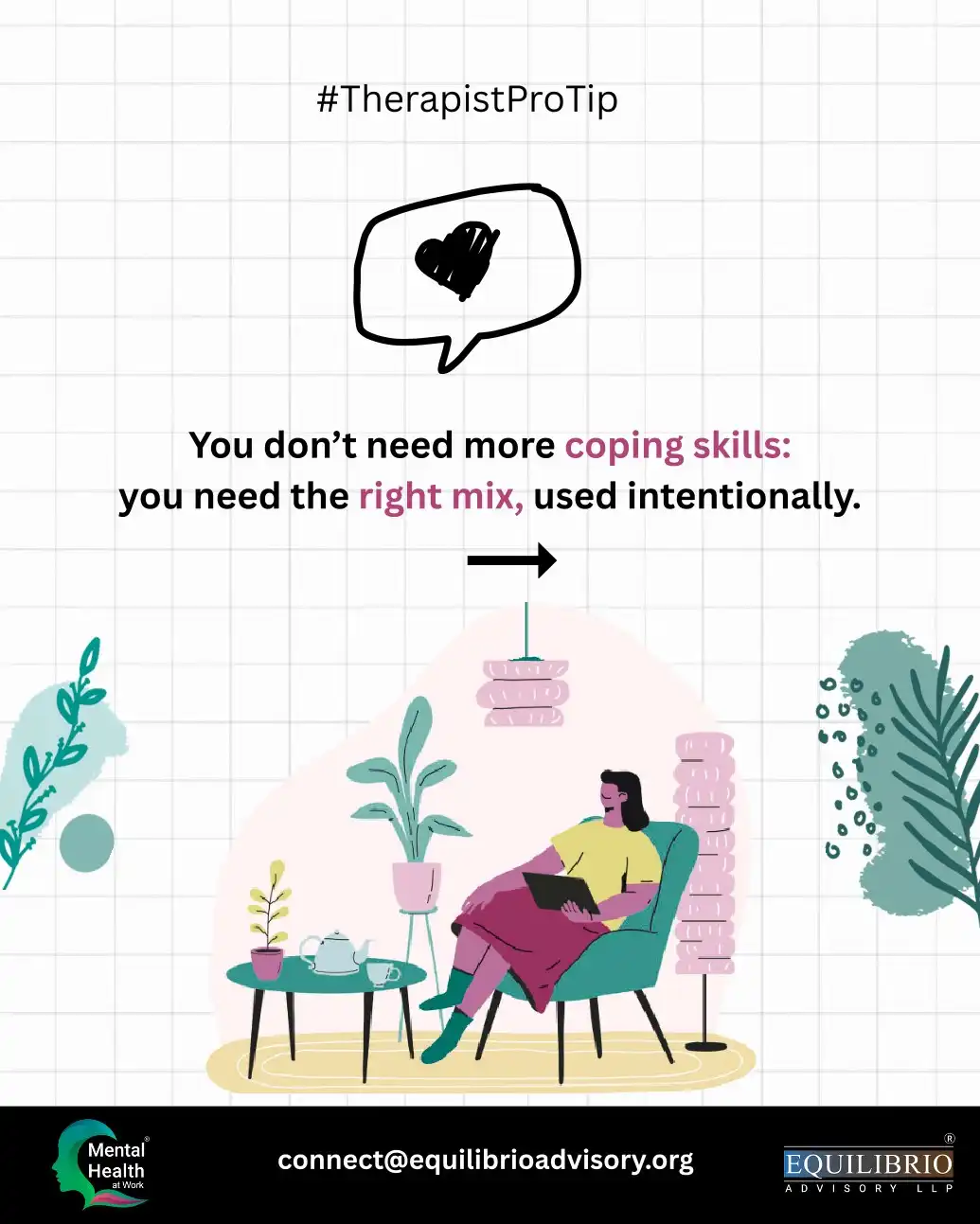
Therapist Pro Tip: Effective coping isn’t about having more skills: it’s about using the right mix. Stress management often involves regulation, organisation, and connection, but we tend to over-rely on one. This week, reflect on what support you truly need and whether therapy could help strengthen your coping toolkit.
Thank you for taking the poll.
We are highly appreciative of the interest shown by each one for such an important conversation.
Here’s your next step-
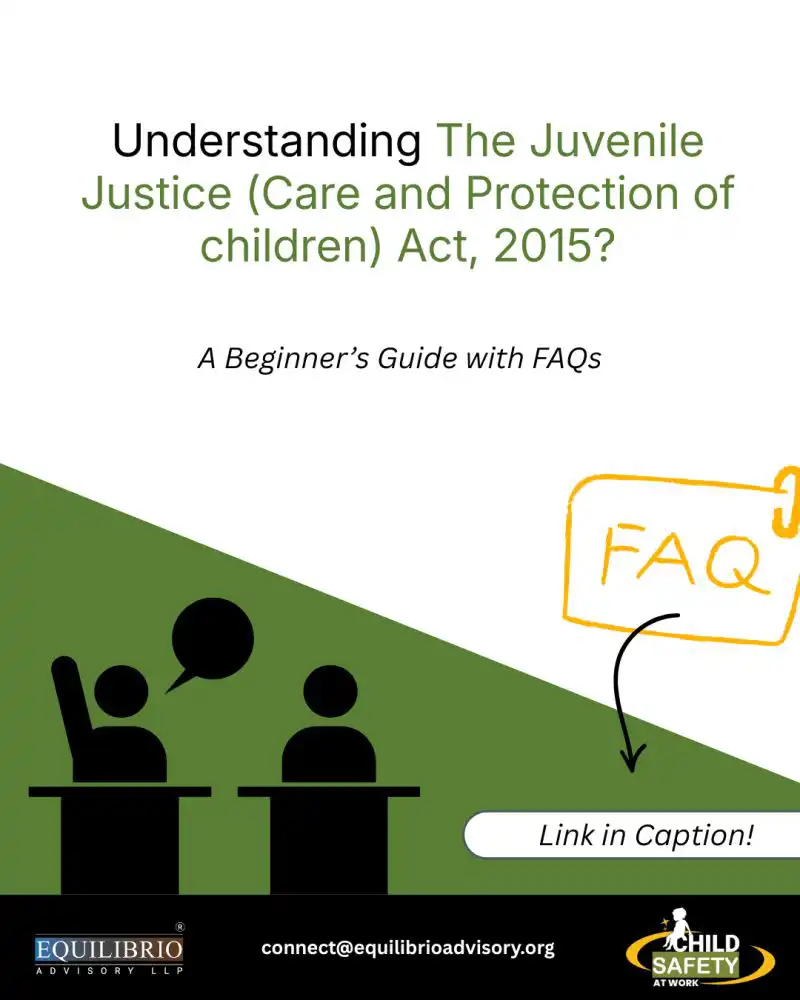
We’ve put together a beginners guide with FAQ’s covering the basics of the JJ Act in a simple and accessible manner.
Stay Current!
~ Spotlighting Landmark Judgments since passing of the Law!
I - LEGAL UPDATES
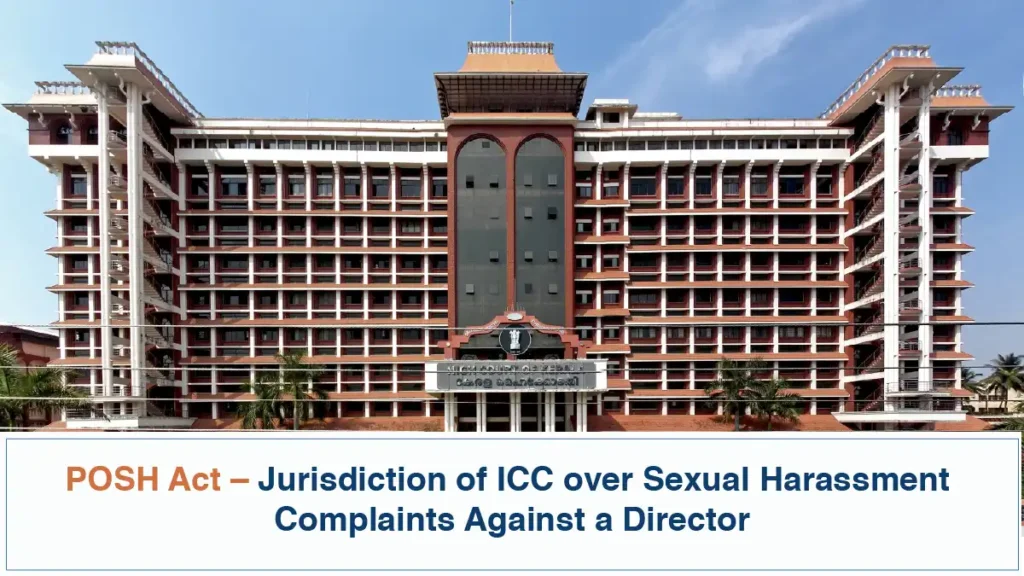
The Kerala High Court clarified that jurisdiction under the POSH Act depends on who exercises ultimate control over an organisation rather than on an individual’s designation. Although the appellant served as Director of the institution, he remained subject to the supervision of the General Body and Executive Committee. Accordingly, he was treated as an employee for the purposes of the Act, and the Internal Complaints Committee was held competent to inquire into the sexual harassment complaint.

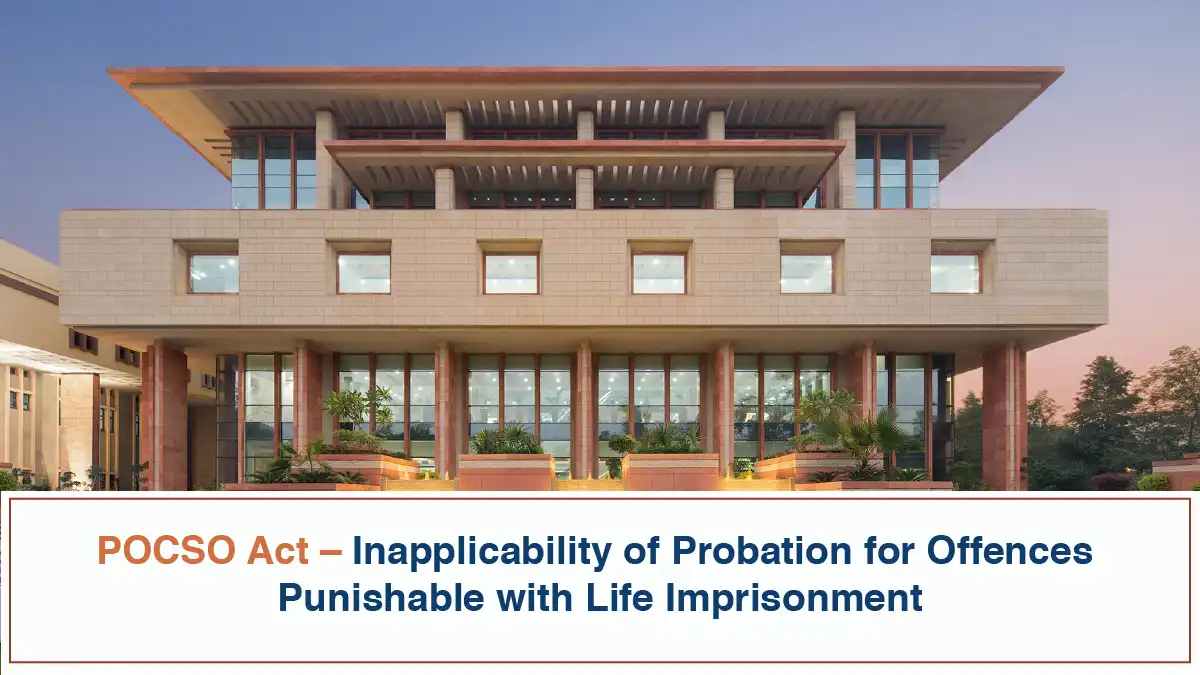
The Delhi High Court held that probationary relief under the Probation of Offenders Act cannot be granted for offences punishable with life imprisonment, including aggravated penetrative sexual assault under Section 6 of the POCSO Act. The Court further clarified that eligibility for age-based probation is determined with reference to the offender’s age at the time of conviction and sentencing. Considering the gravity of the offence, the request for probation was rejected.
II - Exploring Intersections
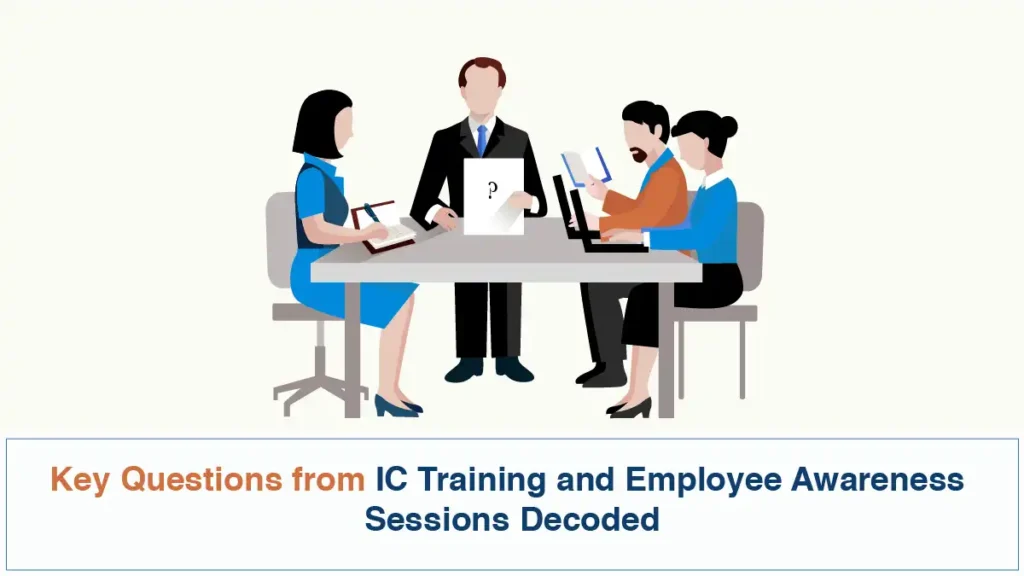
POSH training is more than a compliance requirement: it is a critical step toward creating safer, more respectful workplaces. This article answers key questions about POSH training, covering legal obligations, best practices, training frequency, audience-specific approaches, and how effective awareness programs can strengthen prevention, reporting, and workplace culture.
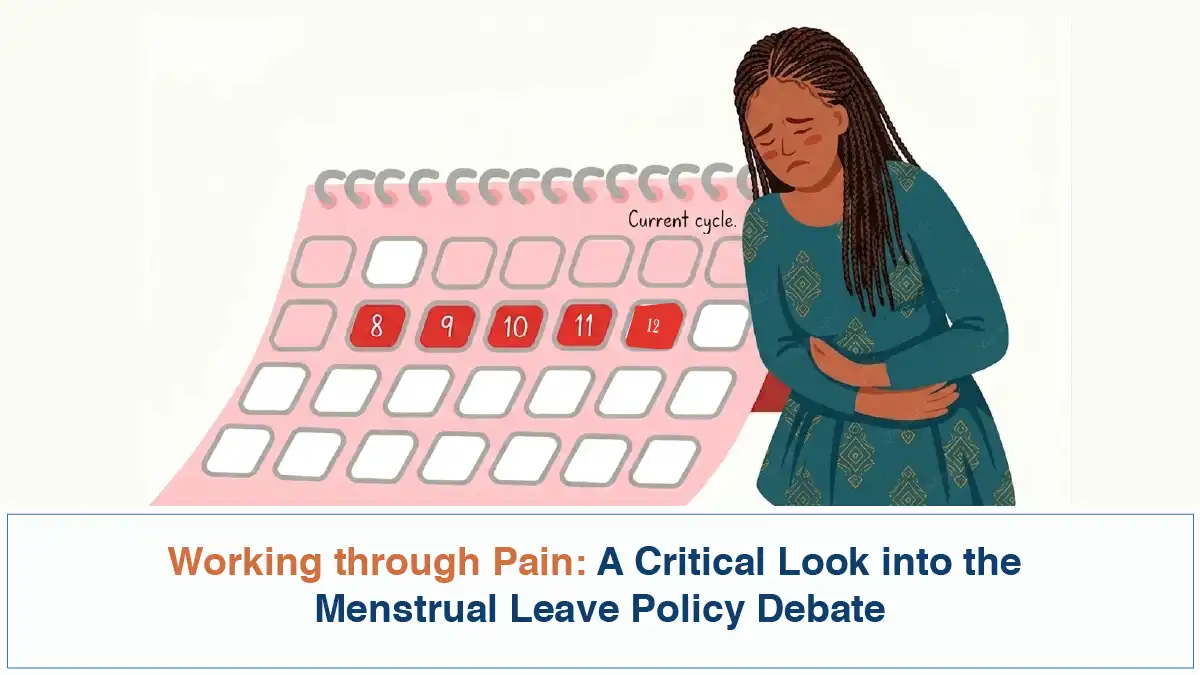
Should workplaces offer menstrual leave? The debate sits at the intersection of gender equality, employee wellbeing, and workplace inclusion. This article explores the arguments for and against menstrual leave policies, examining their potential to support menstrual health, reduce stigma, and foster equitable workplaces while also addressing concerns around implementation, perception, and unintended workplace biases.
Engage with us!
Here's your weekly food for thought through a Fun Fact or Quiz.
Did you know that Canadian actor Elliot Page, famous for roles in “Juno” and “The Umbrella Academy”, is challenging conventional notions of gender and sexuality through his new documentary, “Second Nature”? Directed by Drew Denny, the film delves into the animal kingdom, exploring over 1,500 species to showcase the diverse realities of sex and gender in nature. It highlights fascinating examples that defy binary and fixed interpretations, such as penguins forming same-sex parenting pairs, clownfish changing sex, and primate societies led by females.
The documentary questions why scientific evidence of non-binary and same-sex behaviors in animals has often been overlooked or underreported in mainstream biology. By presenting these examples, “Second Nature” pushes back against the inaccurate belief that nature is exclusively cisgender, heterosexual, and unchanging. It aims to provide a more nuanced understanding of biological diversity and its implications for our understanding of gender and sexuality.

Have a burning question about POSH? Maybe Mental Health at Work, Child safety or DEI&B strategies? Drop us an email with your query and we would love to answer it, in all seriousness.
Curious Cat:
Why was PCOS renamed to PMOS, and how does it affect women and menstruators?
Answer:
After extensive global consultation, Polycystic Ovary Syndrome (PCOS) has been renamed Polyendocrine Metabolic Ovarian Syndrome (PMOS). This change was made because the former name, PCOS, inaccurately suggested the condition was primarily characterized by ovarian cysts. In reality, PMOS is a complex, long-term hormonal and metabolic disorder that impacts multiple bodily systems. It can affect menstrual cycles, skin and hair growth, insulin sensitivity, fertility, mental health, and cardiovascular health. The shift to PMOS broadens the diagnostic scope to encompass the entire body’s endocrine and metabolic functions, moving beyond a singular focus on the ovaries.
The WHO estimates that 10-13% of reproductive-aged women are affected, and the Endocrine Society indicates PMOS affects over 170 million people worldwide, with a significant portion remaining undiagnosed. The renaming to PMOS is considered revolutionary because it aims to reshape how the condition is understood and treated within healthcare systems. By highlighting the endocrine and metabolic aspects, PMOS encourages a more holistic approach, prompting wider screening, improved medical education, increased research funding, and care that extends beyond reproductive concerns. It serves as a vital reminder to healthcare professionals to consider the systemic effects of the condition, ensuring that individuals who may not present with ovarian cysts are not overlooked and receive comprehensive care.

Here’s all the tools you need to build safe and equitable workspaces!
Drop us a Hey, to get started!