
22nd May 2026 | Issue No. 134

The Equilibrio Gazette

A brief buletin for building safe workspaces!

This weekly newsletter is your gateway to staying current on relevant laws (like POSH, POCSO, Transgender Persons Act, etc.) and the psychosocial intersections that impact the workplace.

22nd May 2026 | Issue No. 134

Upcoming Events

Mark your calendars! In this section, we highlight an upcoming event you won't want to miss.
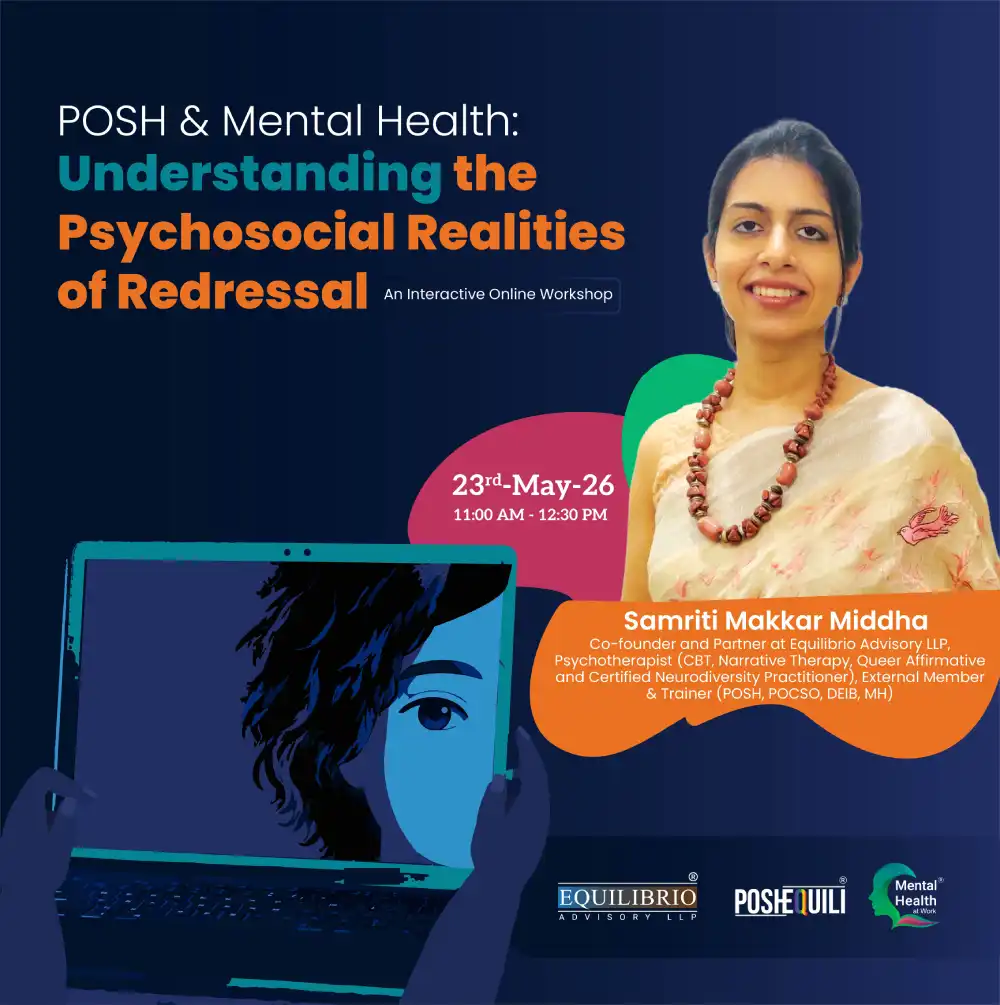
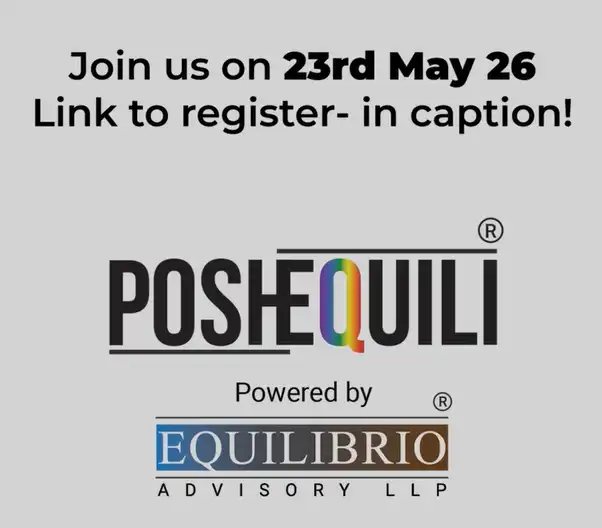
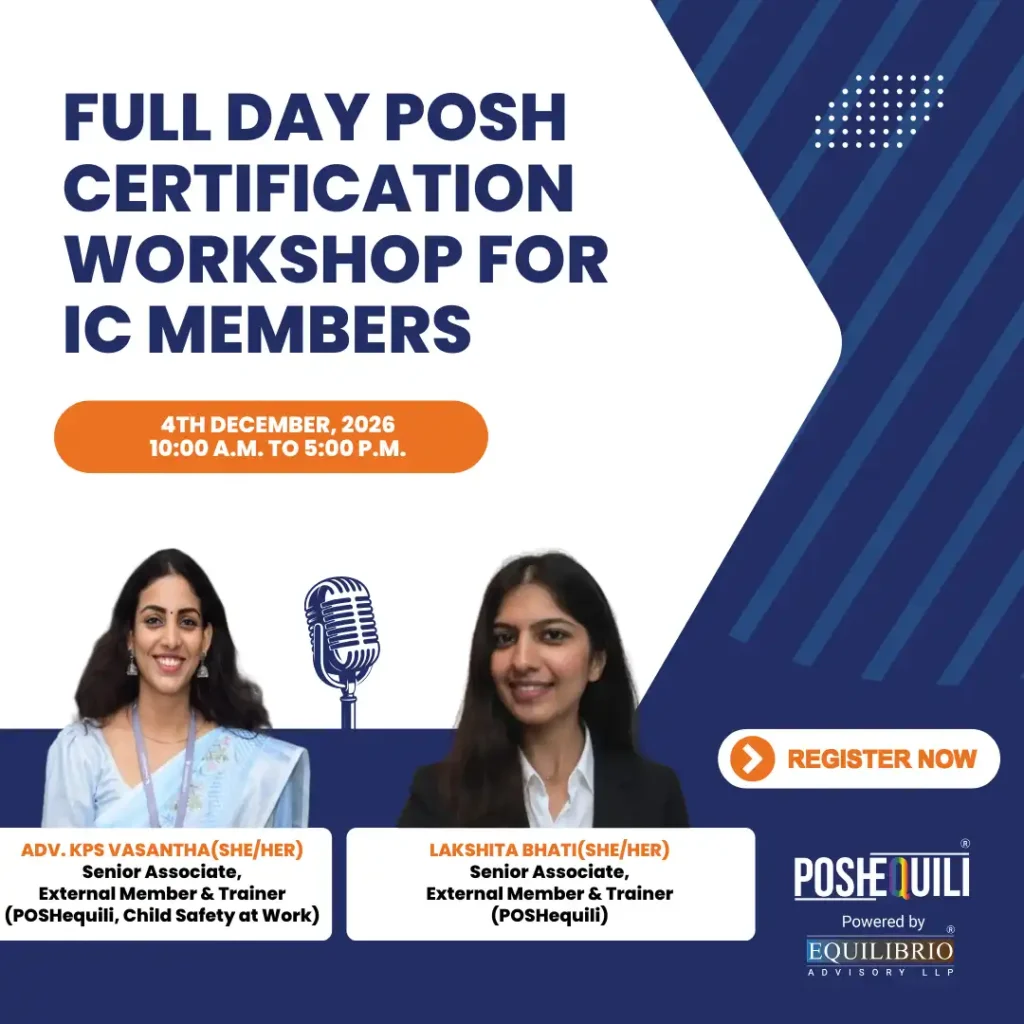
Last Day to Register: Hurry & Secure Your Spot!Examine the psychosocial dimensions of the POSH complaint process through a trauma-informed approach that prioritises mental well-being, empathy, and legal sensitivity. This training enables organisations, Internal Committee members, and HR professionals to handle redressal processes with greater compassion, awareness, and compliance, while contributing to safer and more equitable workplaces for all stakeholders involved.
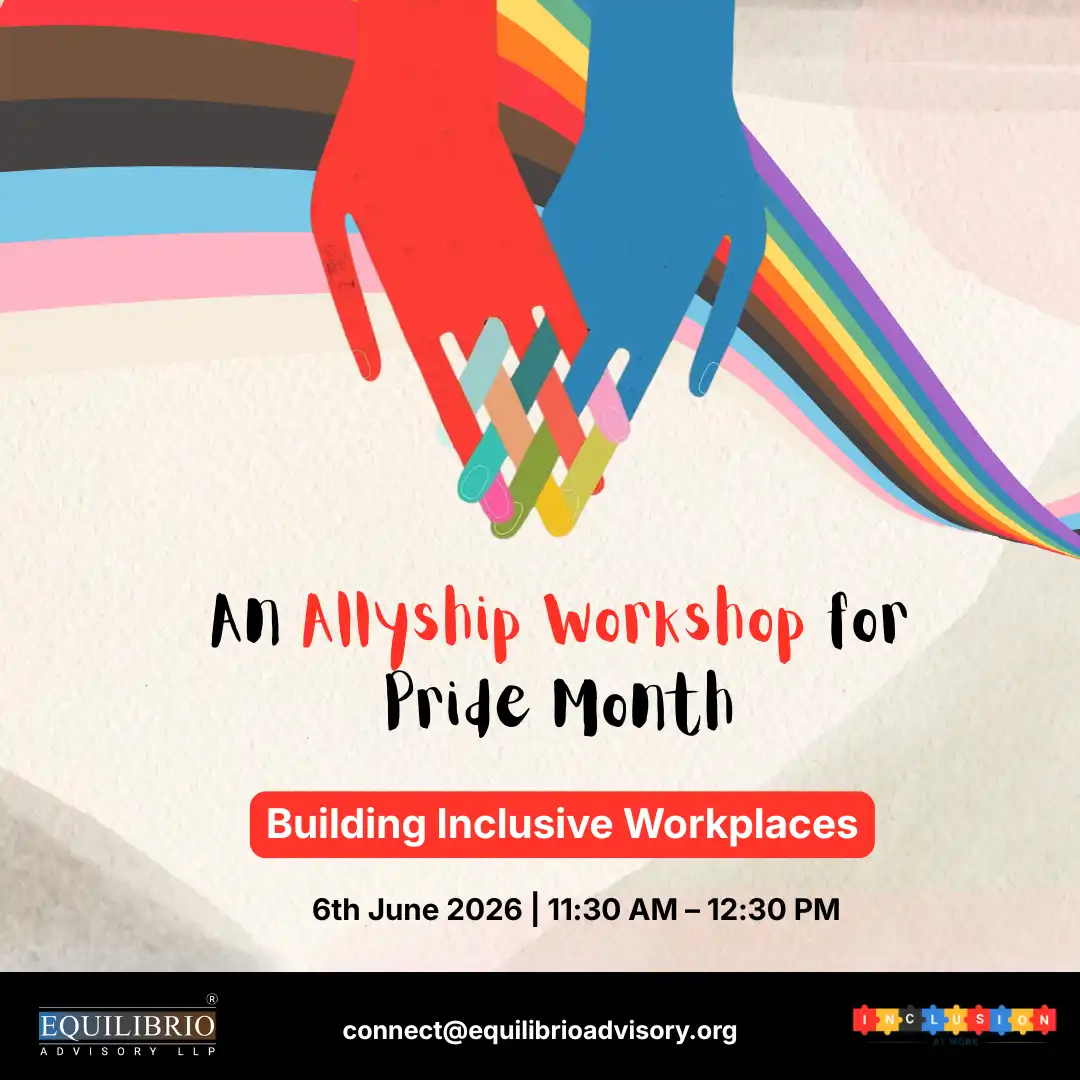
Build a more inclusive workplace through this interactive Allyship Workshop designed for corporate employees. The session explores everyday allyship, unconscious bias, inclusive communication, and practical ways to foster equity and belonging at work. Participants gain actionable tools to support diverse teams, strengthen workplace culture, and create psychologically safer environments for everyone.

In the Spotlight!

Explore ways to build your knowledge and capacity with our team of in-house experts!
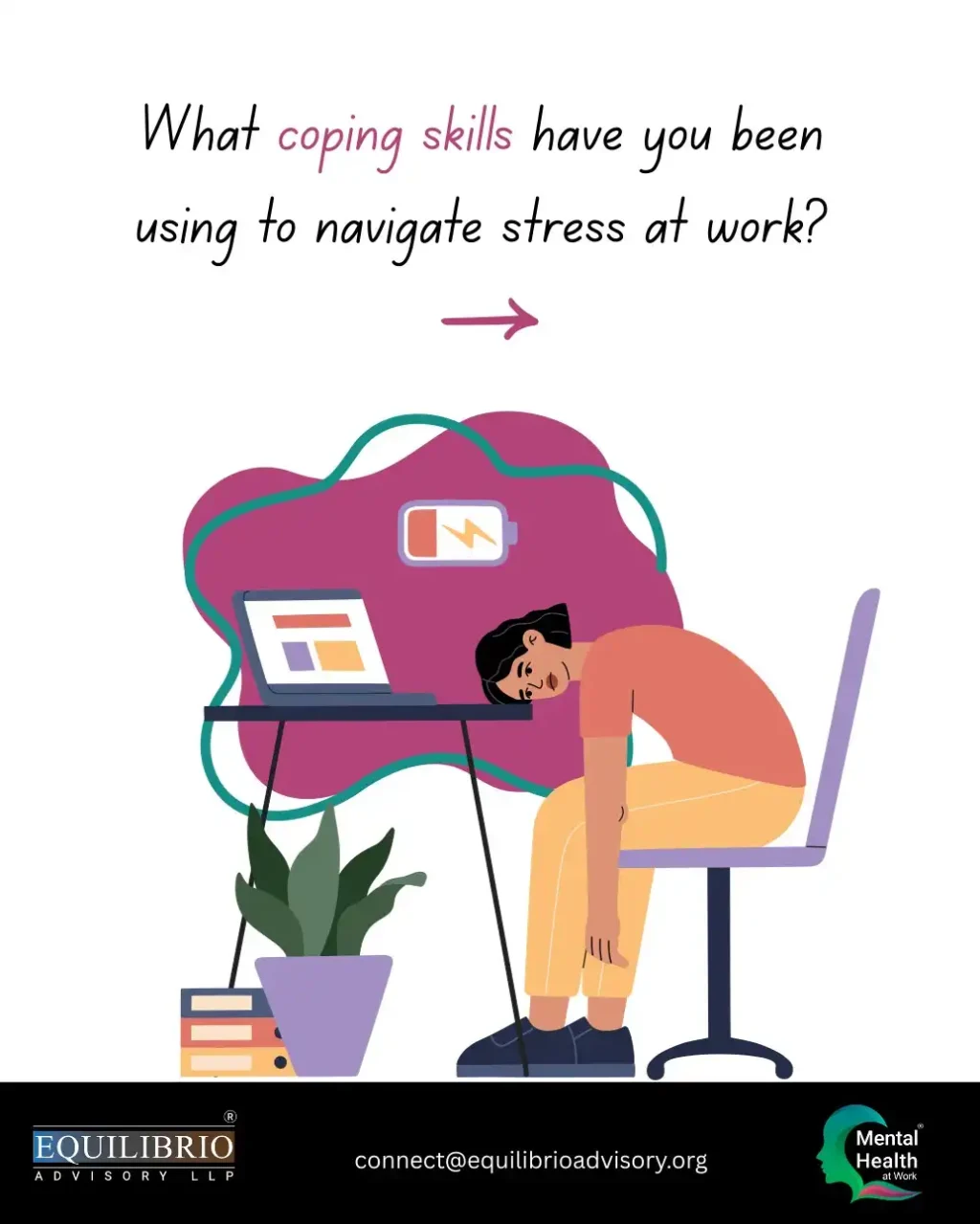
What coping skills are helping you navigate stress at work lately? We’d love to hear what’s supporting you through challenging emotions and situations. Scan the QR code or use this link to share your go-to coping mechanisms big or small. No identifying information will be collected.
Workshop Alert
 
Ever come across statements in a POSH case that left you wondering how to respond?
These are the moments that exist beyond policy and procedure, where the human experience becomes impossible to ignore.
 
Join our Co-Founder Samriti Makkar Midha as she explores the emotional, psychological, and psychosocial realities that shape the POSH complaint process, and why a trauma-informed, empathetic approach matters now more than ever.
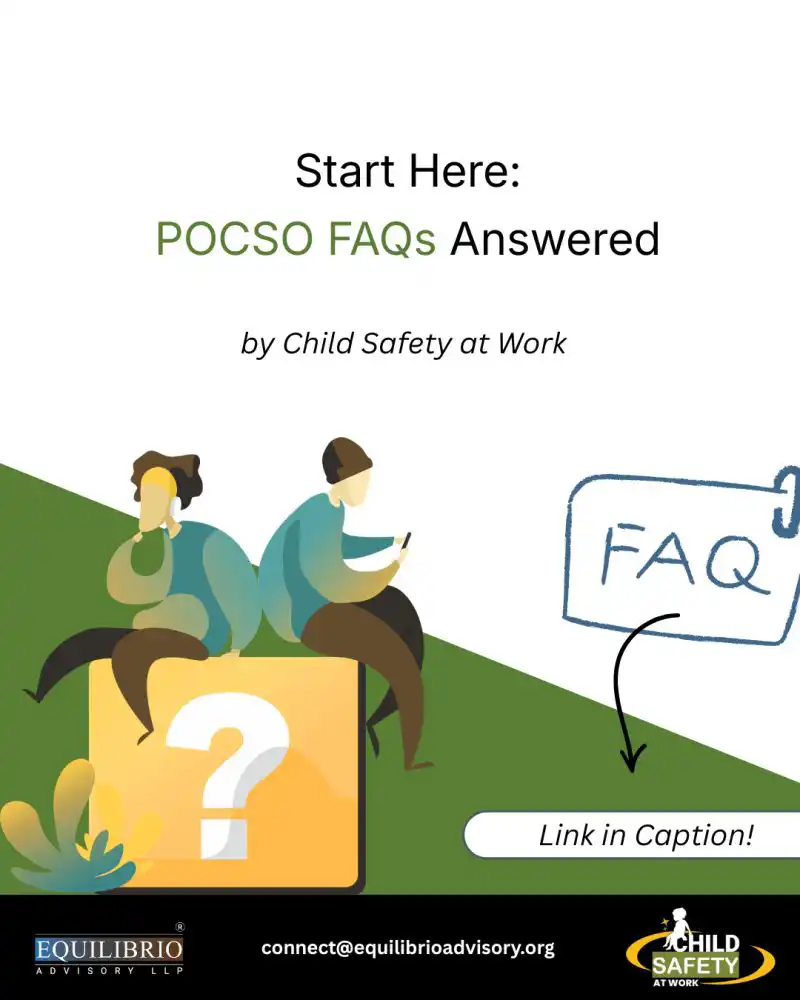
We’ve curated a detailed FAQ section that breaks down the basics of the POCSO Act in a simple, accessible, and practical manner, covering what the law entails, who it protects, and what responsible adult intervention looks like in everyday contexts.
 
Explore the FAQs by Child Safety at Work and strengthen your understanding of creating safer environments for children.

Stay Current!

~ Spotlighting Landmark Judgments since passing of the Law!

I - LEGAL UPDATES

Maharashtra’s recent POSH inspection framework signals a shift towards stricter enforcement of workplace sexual harassment compliance. Establishments must ensure legally compliant Internal Committees, updated policies, employee sensitisation programmes, proper documentation, and timely reporting obligations. The circular underscores the importance of demonstrable compliance and preparedness for regulatory inspections under the POSH Act, 2013.


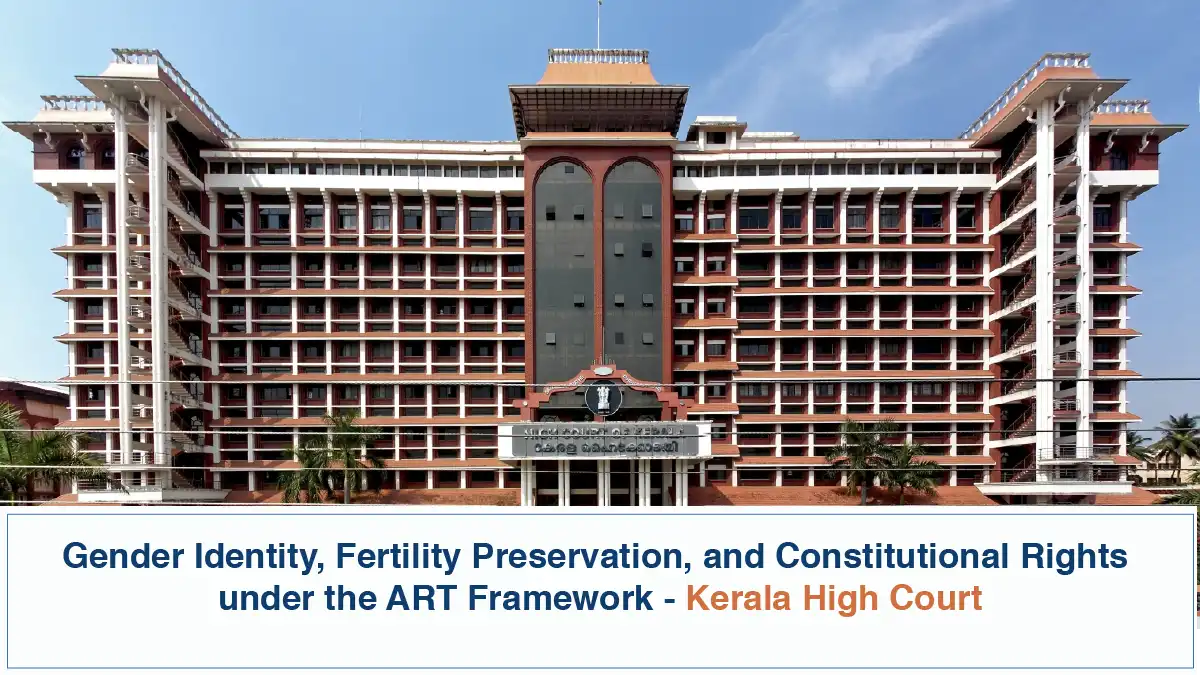
The Kerala High Court examined whether a transgender man could access fertility preservation services under the Assisted Reproductive Technology (Regulation) Act, 2021. While declining to rule on the constitutional validity of the statute, the Court recognised the distinction between gender identity and biological reproductive capacity, highlighting the evolving discourse on reproductive autonomy and transgender rights in India.

II - Exploring Intersections
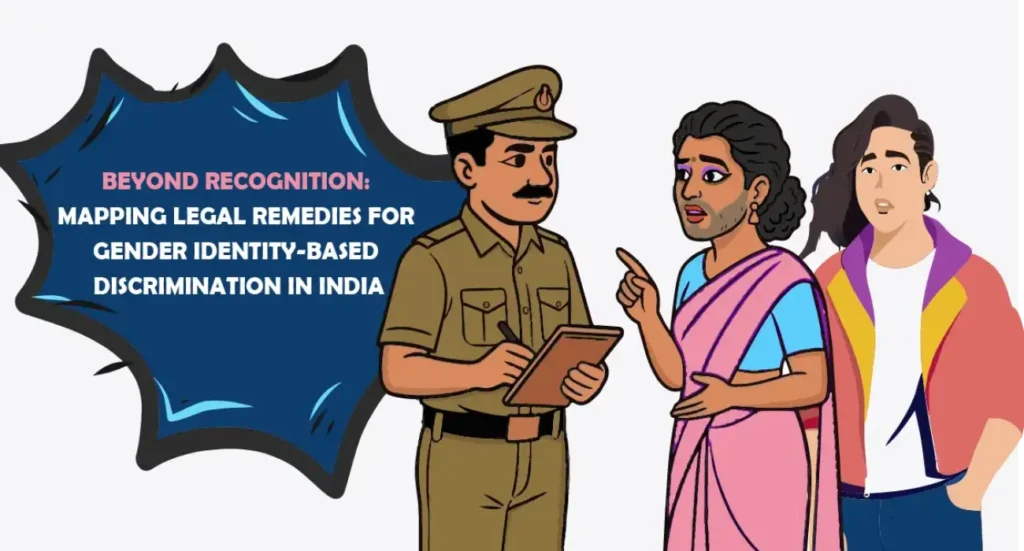
This article explores gender identity discrimination in India, the legal remedies available, and the importance of fostering affirming, inclusive environments. As conversations around equity evolve, building active allyship becomes equally essential. Explore how meaningful support and inclusive action can shape safer workplaces through our Allyship Workshop for corporate employees. Register now
The Union Budget 2026–27 proposes significant measures to strengthen India’s mental healthcare ecosystem, including a NIMHANS-style institution in North India, upgraded regional mental health centres, and nationwide trauma care facilities. These initiatives seek to improve accessibility, affordability, and integration of mental health services within primary healthcare systems across the country.

Engage with us!

Here's your weekly food for thought through a Fun Fact or Quiz.

Did you know that Nepal’s first film selected for the Cannes Film Festival, “Elephants in the Fog” by Abinash Bikram Shah, sheds light on the Kinnar community? This South Asian socio-cultural group, comprising transgender, non-binary, and intersex individuals, is depicted in a small Nepalese village. The narrative centers on Pirati (Pushpa Thing Lama), a Kinnar matriarch who dreams of eloping with her love, Master (Aashant Sharma), to start a new life in Delhi.
 
The film is notably competing in the prestigious Un Certain Regard category, which highlights emerging filmmakers. This category has previously featured notable Indian films such as Vikramaditya Motwane’s “Udaan” and Neeraj Ghaywan’s “Masaan” and “Homebound,” underscoring the significance of “Elephants in the Fog” as a milestone for Nepali cinema on the international stage. At a time when trans rights are facing setbacks worldwide, this film’s selection will bring visibility to the challenges and aspirations of the trans community in south Asia.
c02bbaf6 fc35 7347 ca00 23233194fcd9
Have a burning question about POSH? Maybe Mental Health at Work, Child safety or DEI&B strategies? Drop us an email with your query and we would love to answer it, in all seriousness.
Curious Cat:
What is AI psychosis?
 
Answer:
AI psychosis, also referred to as chatbot psychosis, is a reported phenomenon where individuals may experience or develop symptoms of psychosis, such as paranoia and delusions, that seem connected to their interactions with chatbots. This term was first proposed in a 2023 editorial by Danish psychiatrist Søren Dinesen Østergaard and is not currently a recognized clinical diagnosis. While not a formal medical condition, journalistic accounts have highlighted instances of individuals forming intense beliefs that chatbots are sentient, channeling spirits, or revealing conspiracies, which in some cases have led to significant personal crises or even criminal actions.
 
The proposed explanations for AI psychosis suggest it might stem from several factors related to chatbot behavior. These include the AI’s tendency to generate inaccurate information, often termed “hallucinations,” and its capacity to validate or affirm a user’s existing beliefs. Additionally, some theories point to the AI’s ability to simulate a sense of intimacy, which can be particularly impactful for users who may feel a lack of such connection in their human relationships. Danish psychiatrist Søren Dinesen Østergaard hypothesized in a 2023 publication that generative AI chatbots might trigger delusions in individuals already predisposed to psychosis. Notably, a support group called The Human Line Project was formed in 2025 to assist those affected by AI psychosis, with members from 22 countries, more than 60% of whom had no prior history of mental illness.
Here’s all the tools you need to build safe and equitable workspaces! Drop us a Hey, to get started!

Comments are closed.