

The Equilibrio Gazette
A brief buletin for building safe workspaces!
This weekly newsletter is your gateway to staying current on relevant laws (like POSH, POCSO, Transgender Persons Act, etc.) and the psychosocial intersections that impact the workplace.
3rd September 2026 | Issue No. 149
Upcoming Events
Mark your calendars! In this section, we highlight an upcoming event you won't want to miss.
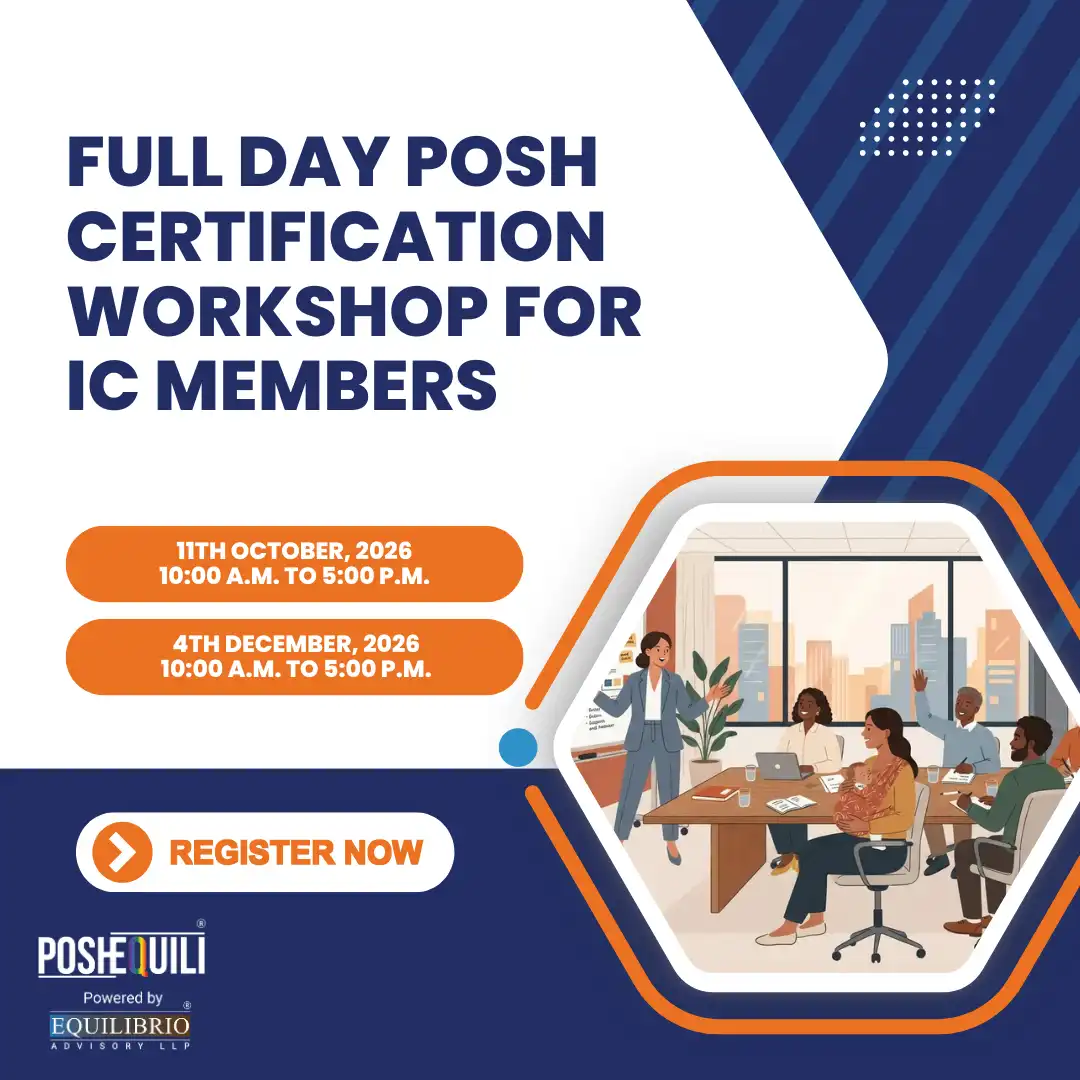
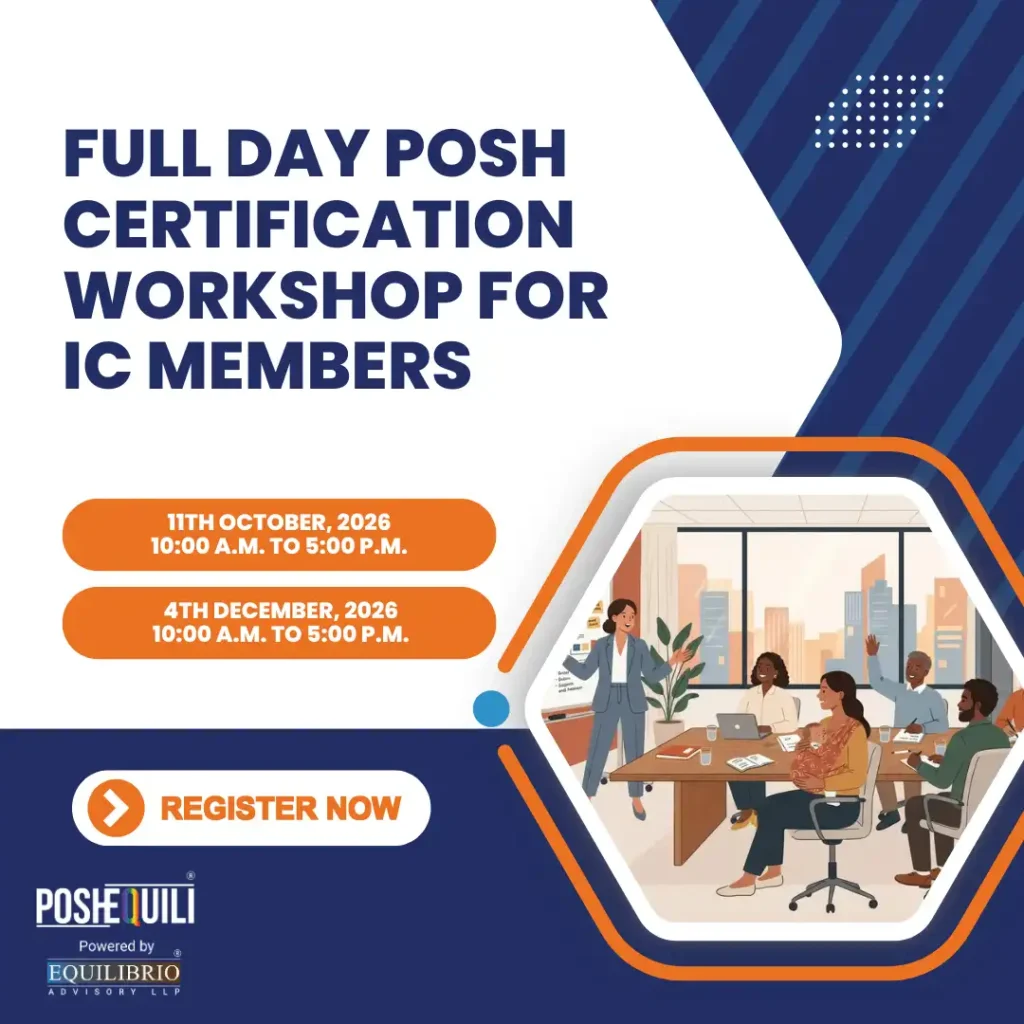
Being an Internal Committee member involves more than knowing the POSH Act-it requires the confidence and skills to apply it effectively.
This practical, case-led workshop will help you navigate complaints, assess evidence, understand your role, and conduct fair, sensitive and effective inquiries.
Build your knowledge. Strengthen your confidence. Handle POSH matters with greater clarity.
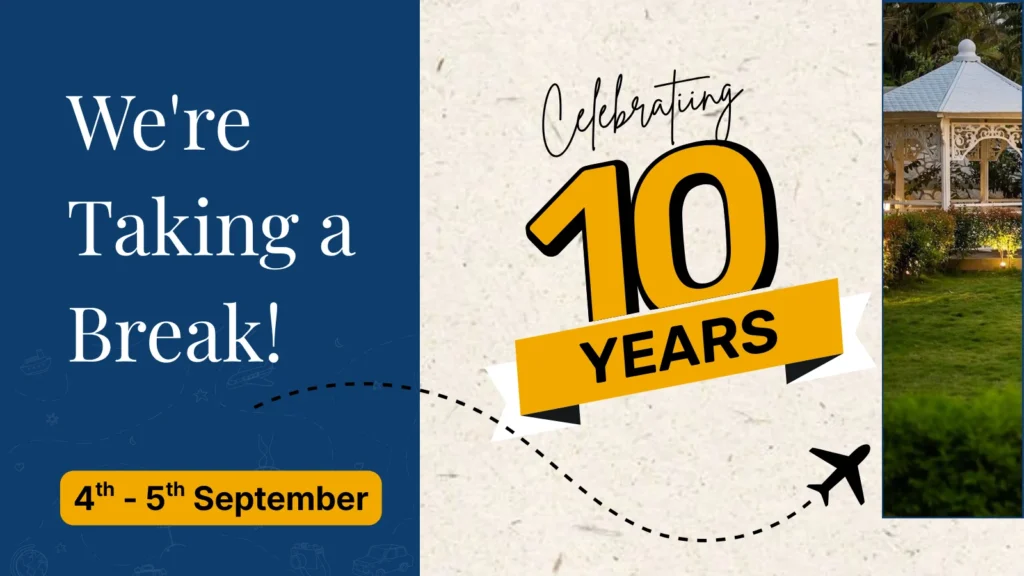
We’re Taking a Break! To Celebrate Ten Years Of Equilibrio Advisory!
This year marks ten years of Equilibrio Advisory, and we’re pausing our usual work to mark the milestone the way it deserves — together. Our remote, pan-India team will gather for a firm-wide offsite, coming together in a spirit of connection and festivity.
It’s been an incredible journey building safe, inclusive structures that workplaces can grow around. As we reflect on the decade behind us, we’re looking forward to enjoying a day of shared space, shared stories, and shared celebration.
Here’s to togetherness, inclusion, and belonging, going ten years strong. 🎉
In the Spotlight!
Explore ways to build your knowledge and capacity with our team of in-house experts!
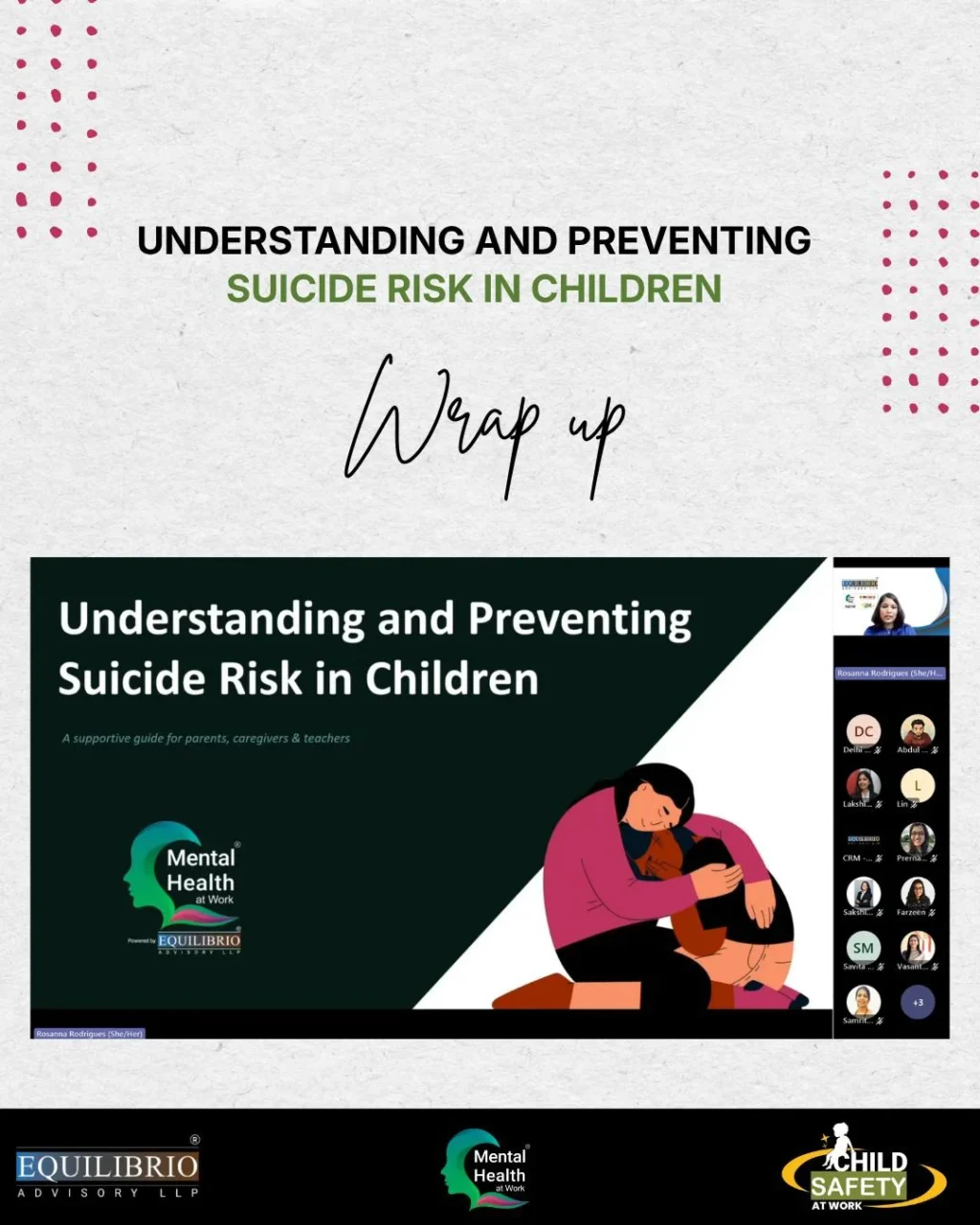
We wrapped up our workshop on Understanding and Preventing Suicide Risk in Children to kick off Suicide Prevention Month. The session focused on building the right lens to respond supportively in a crisis, understanding one’s role, and knowing when to make a referral. Thank you to Rosanna Rodrigues and all participants for enriching the conversation.
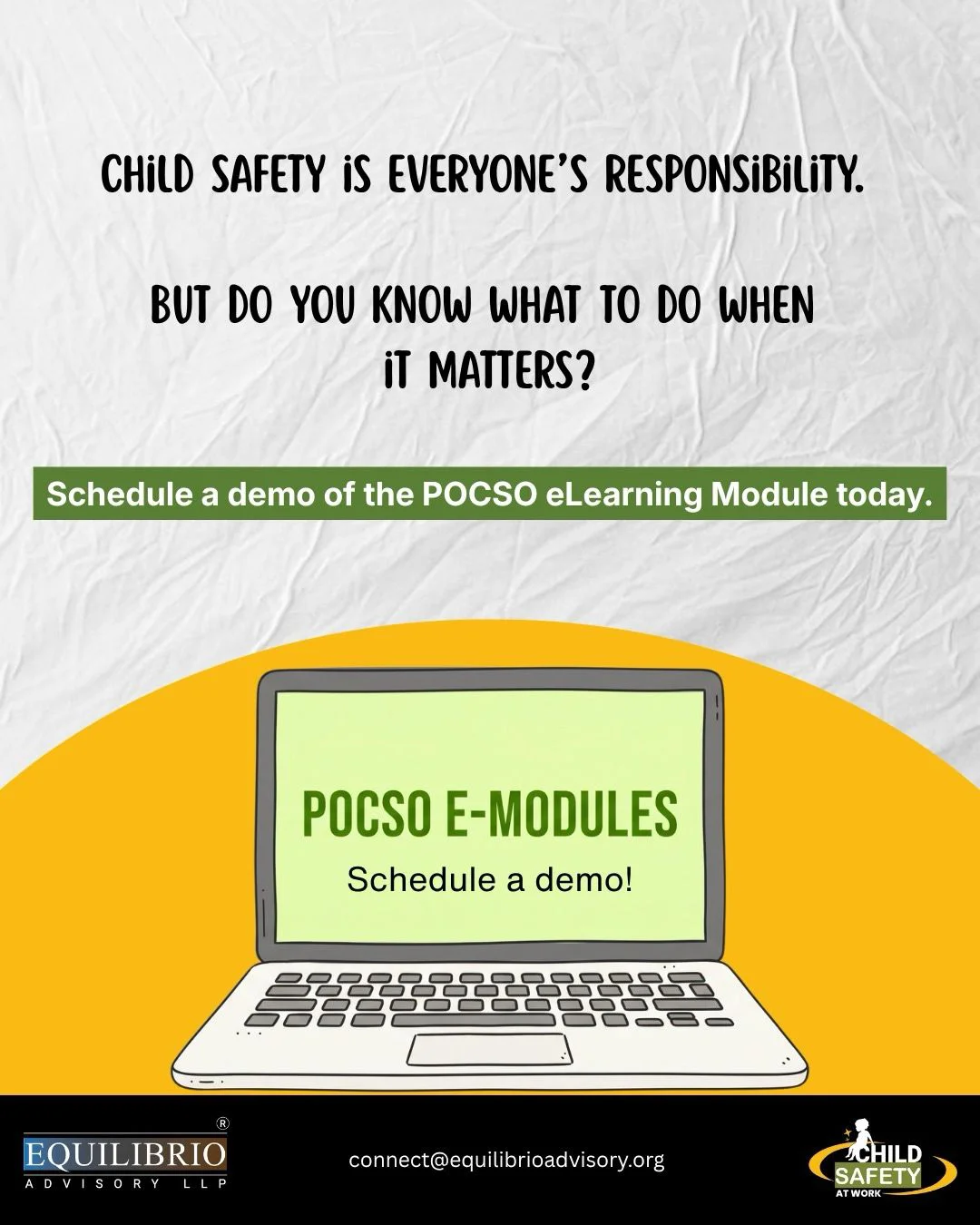
Understanding the POCSO Act goes beyond knowing the law. It means recognising vulnerabilities, understanding responsibilities, and knowing how to respond to keep children safe.
Our POCSO eLearning Module: Child Safety & Legal Compliance helps schools, NGOs, childcare institutions, professionals, teachers, caregivers and parents build this understanding.
Schedule a demo today.
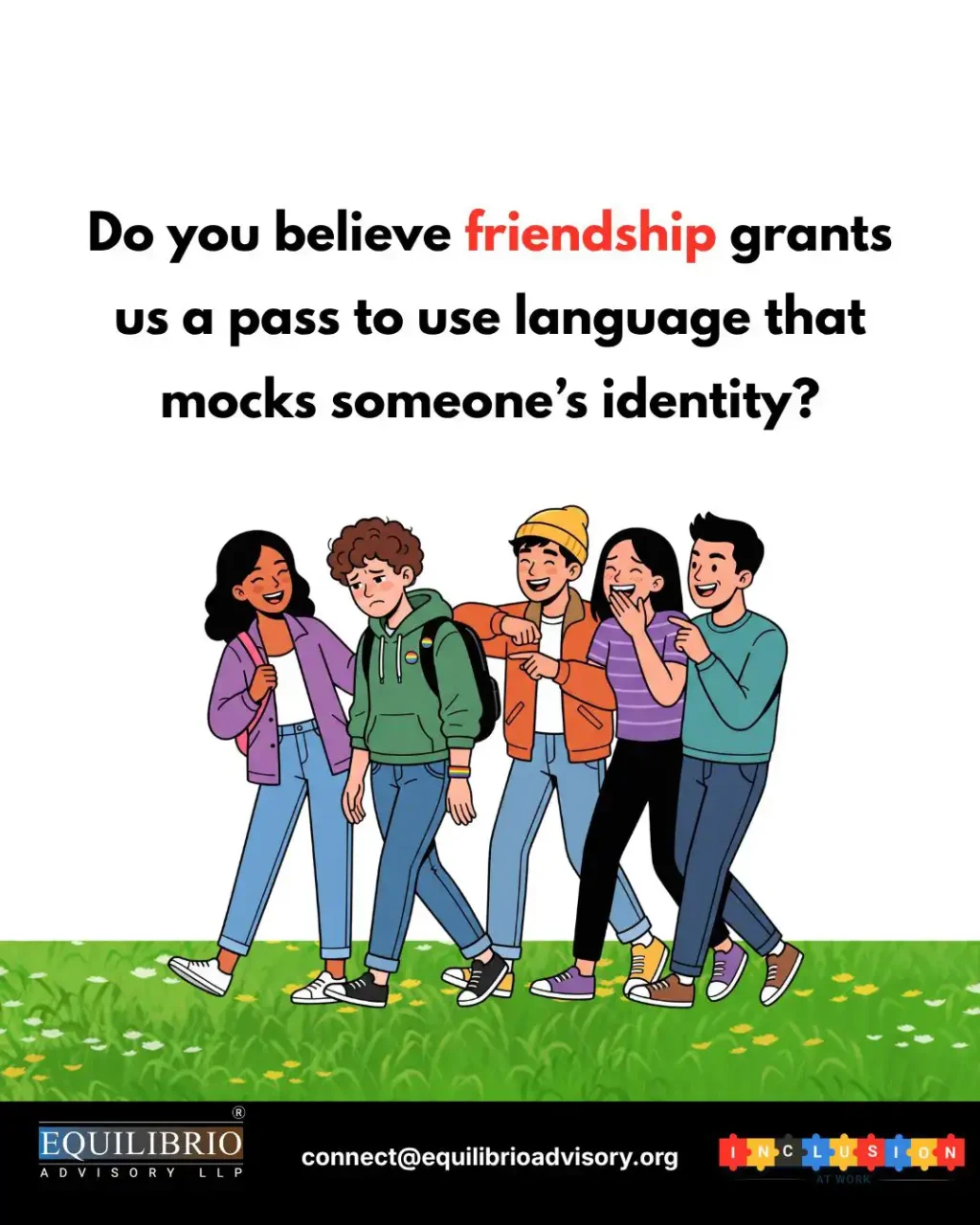
Can friendship excuse language that may otherwise be harmful or exclusionary? Even in jest, comments about gender, sexuality, caste or ability can undermine trust and psychological safety. Inclusive language isn’t about policing speech- it’s about affirming dignity, strengthening solidarity, and creating friendships where everyone feels respected and safe.
Stay Current!
~ Spotlighting Landmark Judgments since passing of the Law!
I - LEGAL UPDATES
The Kerala High Court held that the expression “to any extent” under Section 3(b) of the POCSO Act means that complete or extensive penetration is not necessary to constitute penetrative sexual assault. The Court found that placing a vibrating instrument fitted with a penis-like structure at the vaginal opening of a minor was sufficient to satisfy the statutory requirement of insertion. It further held that delayed disclosure and minor inconsistencies in the victim’s testimony did not undermine the prosecution case where the core account remained consistent. The conviction and statutory minimum sentence of 10 years’ rigorous imprisonment were consequently upheld.
The Madras High Court observed that physical contact with a child does not, by itself, establish sexual assault under the POCSO Act. While considering suspension of sentence, the Court found that the act of pulling the minor’s hand, in the circumstances of the case, could not straightaway be characterised as an act committed with sexual intent and could, at most, constitute sexual harassment under Section 11 rather than sexual assault under Section 7. The Court accordingly found arguable grounds in the pending appeal and suspended the sentence.
II - Exploring Intersections
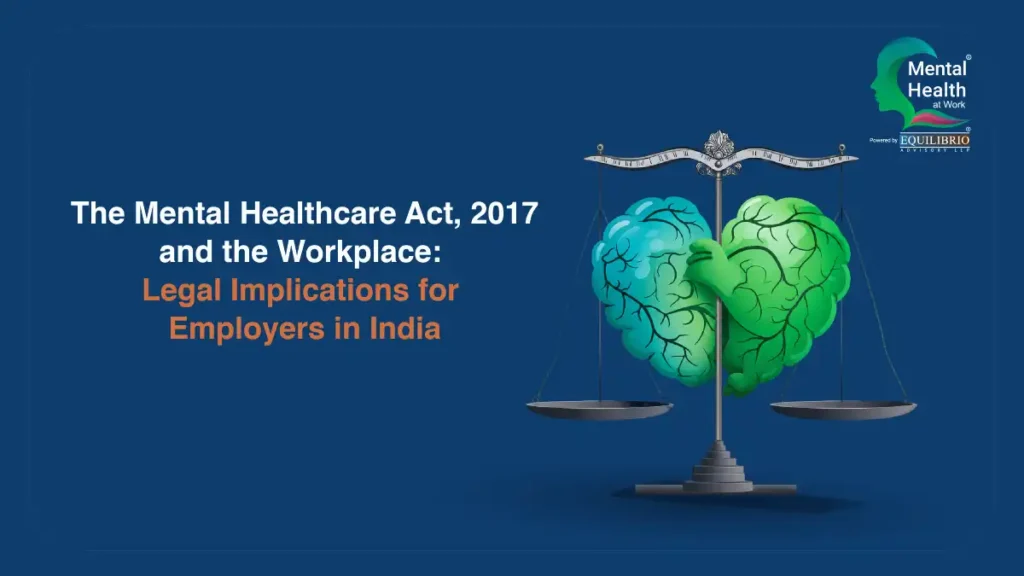
What does the Mental Healthcare Act, 2017 mean for workplaces? This article explores its implications for employers, including mental health, confidentiality, reasonable accommodation, non-discrimination and the limits of an employer’s role. Understand how the MHCA works alongside the RPwD Act to shape a more informed, rights-based approach to mental health at work.
Engage with us!
Here's your weekly food for thought through a Fun Fact or Quiz.
Did you know that during the recent Onam festivities, viral videos from Kerala’s college campuses have been celebrated nationwide for their organic display of communal harmony? Students from diverse religious and cultural backgrounds united to participate in the traditional celebrations, filling campuses with the vibrant energy of rhythmic drums, traditional attire, intricate flower arrangements, and joyous dance.
What makes these moments resonate so deeply is the authentic way these young people bridge faiths and communities. At a time when societal polarization and divisive rhetoric often dominate the conversation, these students have offered a refreshing reminder of the power of collective joy.

Have a burning question about POSH? Maybe Mental Health at Work, Child safety or DEI&B strategies? Drop us an email with your query and we would love to answer it, in all seriousness.
Curious Cat:
What is climate colonialism and why it matters?
Answer:
Climate colonialism refers to the systemic continuation of historical exploitation, where the Global North keeps extracting resources like lithium and oil from the Global South. The climate crisis is fundamentally a structural imbalance rooted in colonial legacies of slavery, land dispossession, and resource extraction. While the richest 10% of the global population is responsible for nearly half of all emissions, the world’s most vulnerable communities—specifically Indigenous and Black populations—are facing the most severe impacts, including forced displacement and ecological destruction.
These same territories are repeatedly targeted for extraction, yet these communities contribute the least to the crisis while safeguarding 80% of the world’s remaining biodiversity. True climate justice requires us to move beyond superficial fixes and demand systemic accountability. This involves wealthier nations cutting emissions immediately and paying climate reparations to the Global South. By acknowledging this geography of extraction, we can shift toward a model of sustainability that centers those at the frontlines rather than continuing to profit at their expense.

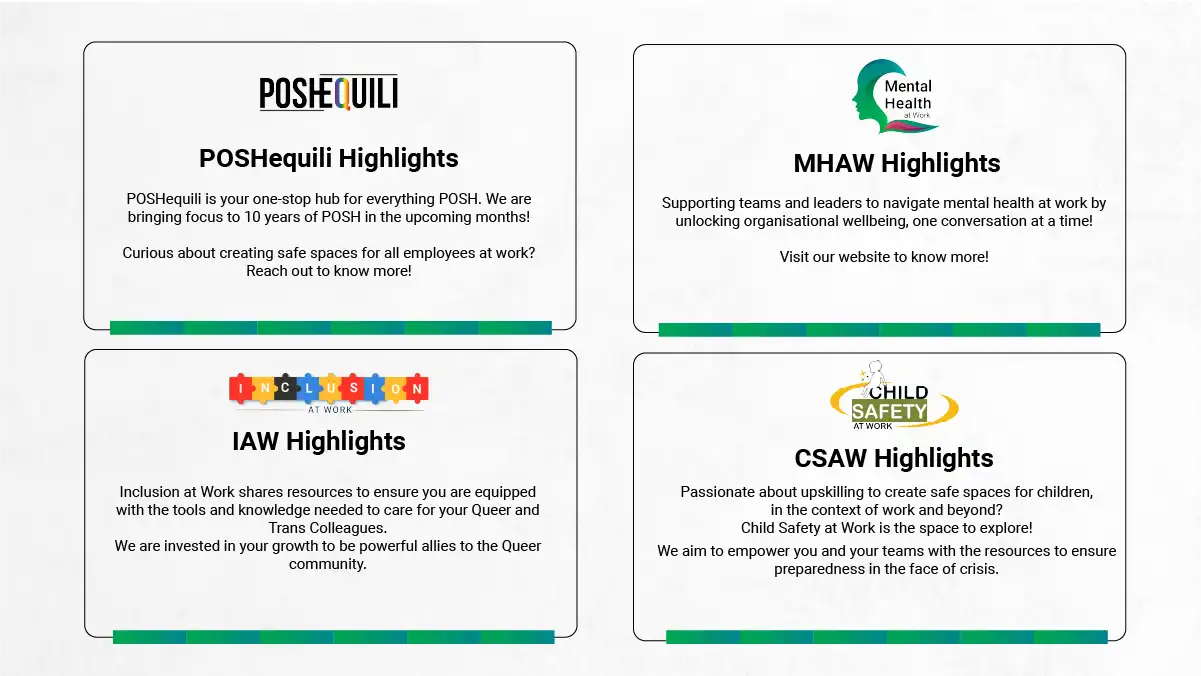
Here’s all the tools you need to build safe and equitable workspaces!
Drop us a Hey, to get started!