

The Equilibrio Gazette
A brief buletin for building safe workspaces!
This weekly newsletter is your gateway to staying current on relevant laws (like POSH, POCSO, Transgender Persons Act, etc.) and the psychosocial intersections that impact the workplace.
30th October 2026 | Issue No. 157
Upcoming Events
Mark your calendars! In this section, we highlight an upcoming event you won't want to miss.
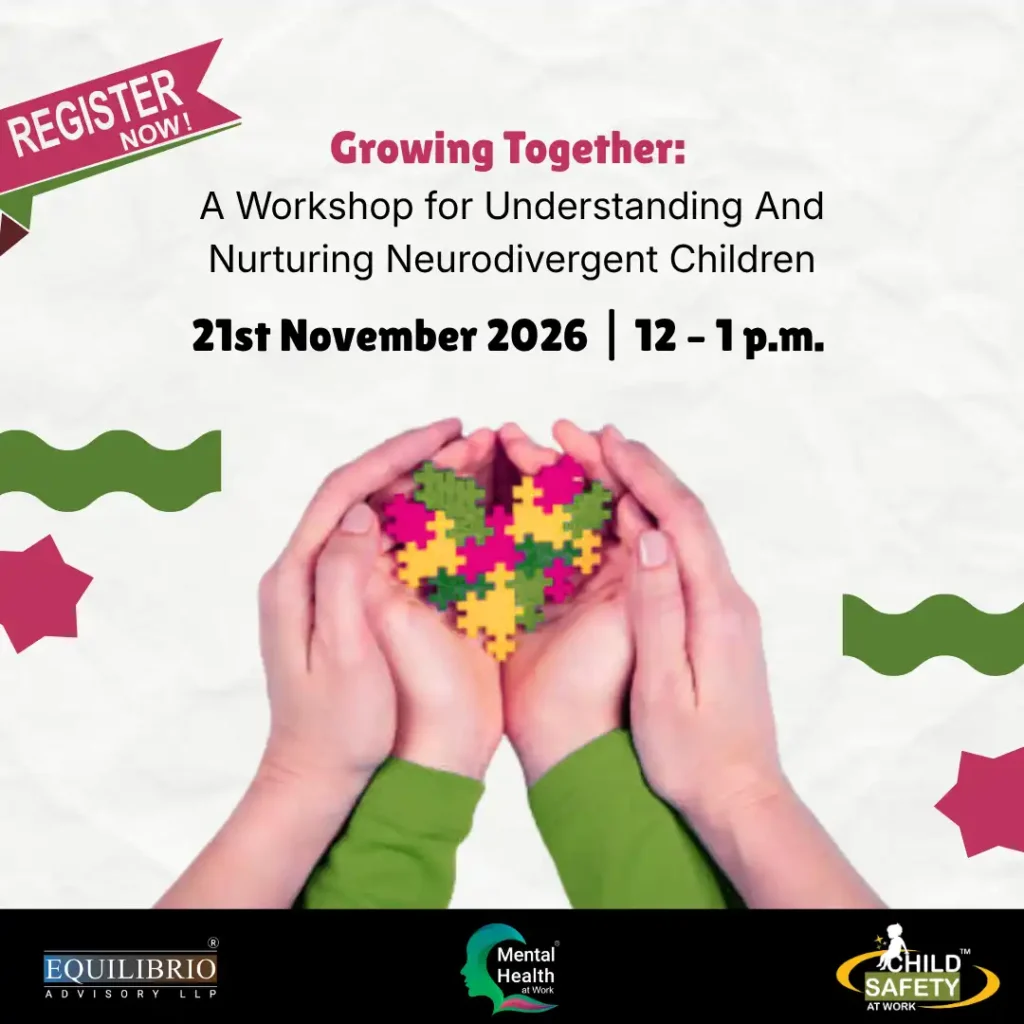
What if supporting neurodivergent children begins with changing our approach, rather than changing the child?
Join Growing Together: A Workshop for Understanding and Nurturing Neurodivergent Children on 21 November 2026, from 12–1 PM (online), facilitated by Usri Basistha.
Designed for parents, educators, and caregivers, this workshop explores neurodivergence, sensory overload, everyday biases, and practical, neurodiversity-affirming strategies to create supportive environments where every child can thrive.
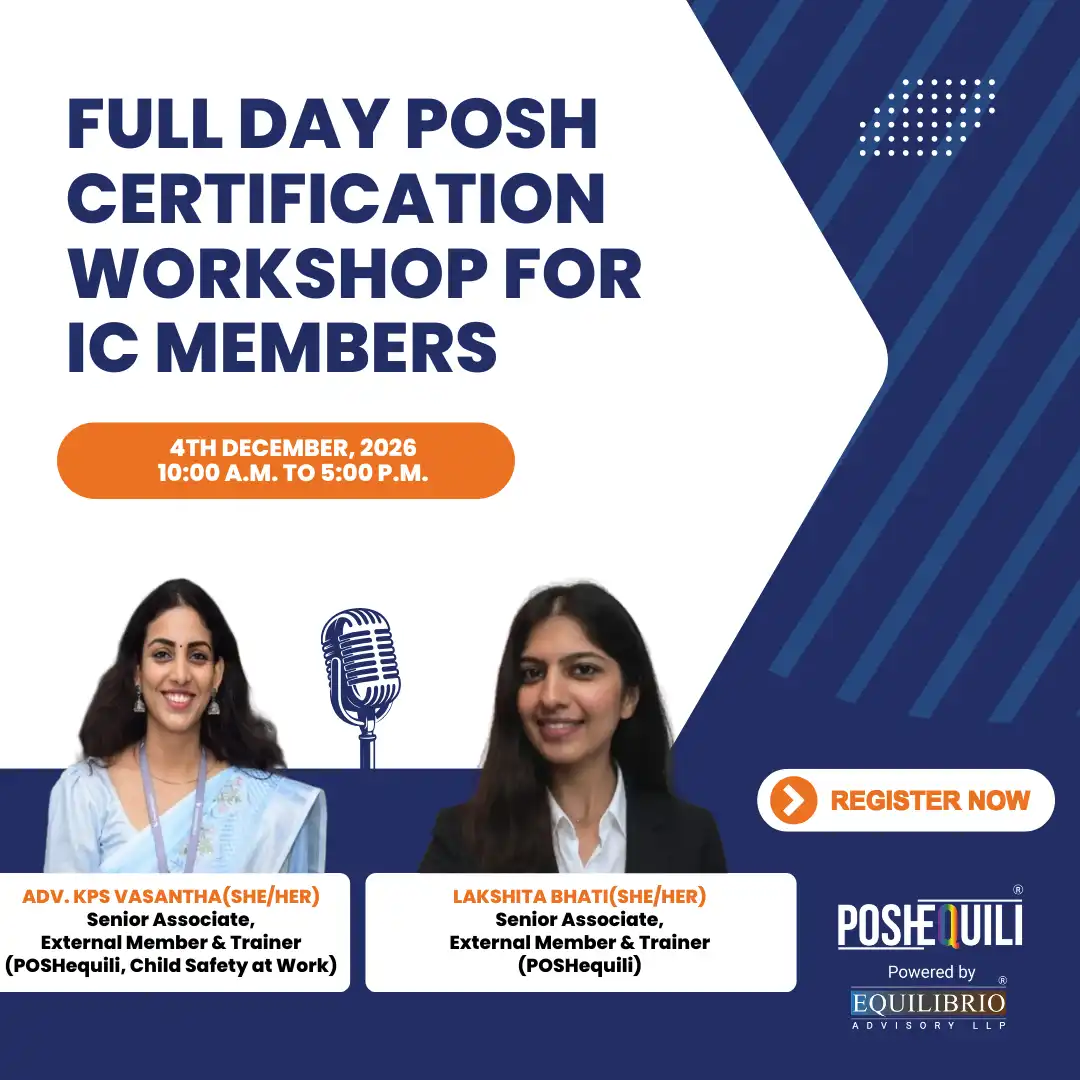
Knowing the POSH Act is one thing. Navigating the complexities of a real inquiry is another.
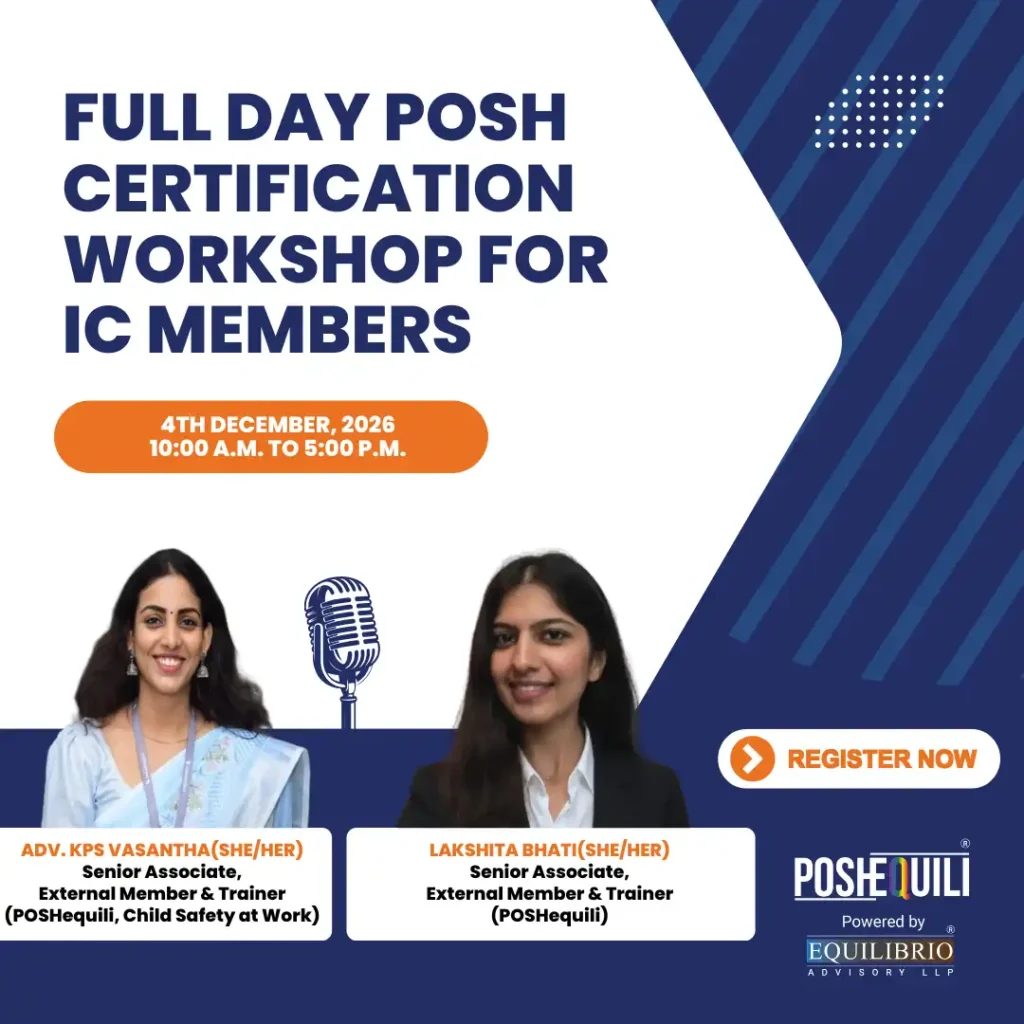
Join our POSH Certification Workshop for Internal Committee (IC) Members on 4 December 2026, from 10 AM–5 PM (online), facilitated by Adv. Vasantha Kotagiri and Adv. Lakshita Bhati.
Through practical case studies, judicial decisions, and real-world scenarios, strengthen your skills in handling complaints, assessing evidence, and conducting fair, sensitive, and effective POSH inquiries.
Move beyond compliance, strengthen your expertise, and become a certified POSH expert!
In the Spotlight!
Explore ways to build your knowledge and capacity with our team of in-house experts!
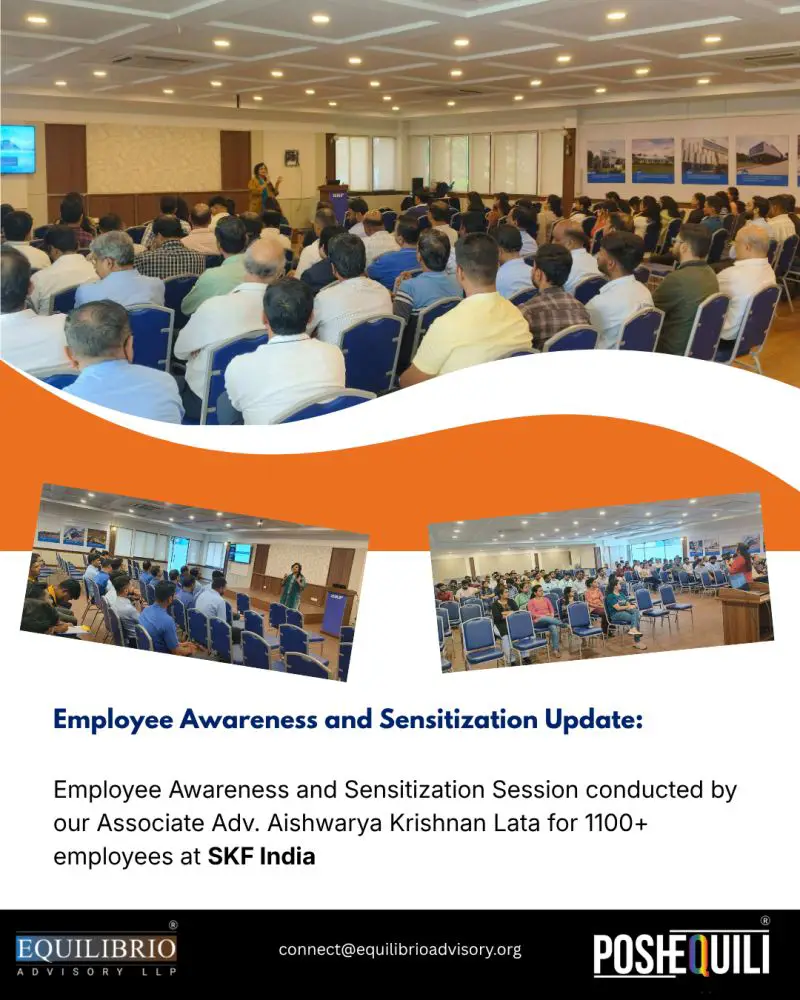
We’re delighted to share that our associate, Adv. Aishwarya Krishnan Lata, conducted a POSH Employee Awareness Session for 1,100+ employees at SKF India Ltd., Pune, addressing gender biases, workplace boundaries, sexual harassment prevention, and redressal mechanisms.
We thank the organisers for their support!
Bring POSH awareness to your workplace. Connect with us!
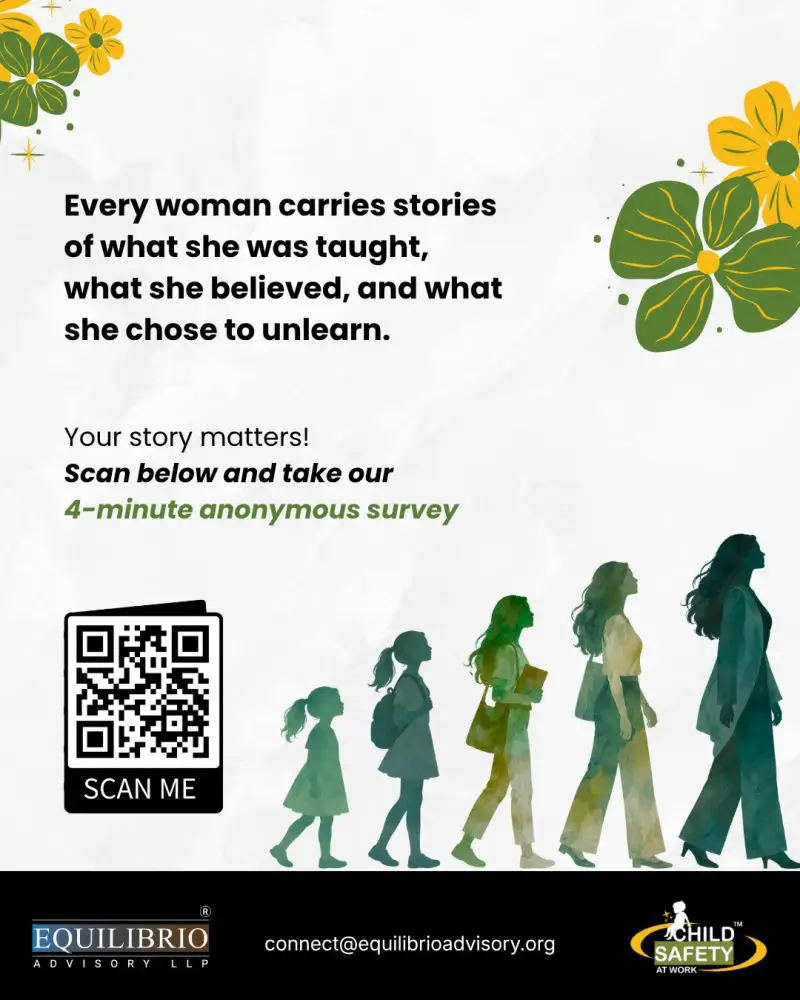
Growing up, we absorb beliefs that shape who we become. Some stay, while others are questioned and unlearnt.
At Child Safety at Work, a vertical of Equilibrio Advisory LLP, we believe every lived experience deserves to be heard.
Share your story through our 4-minute anonymous survey and inspire meaningful conversations.
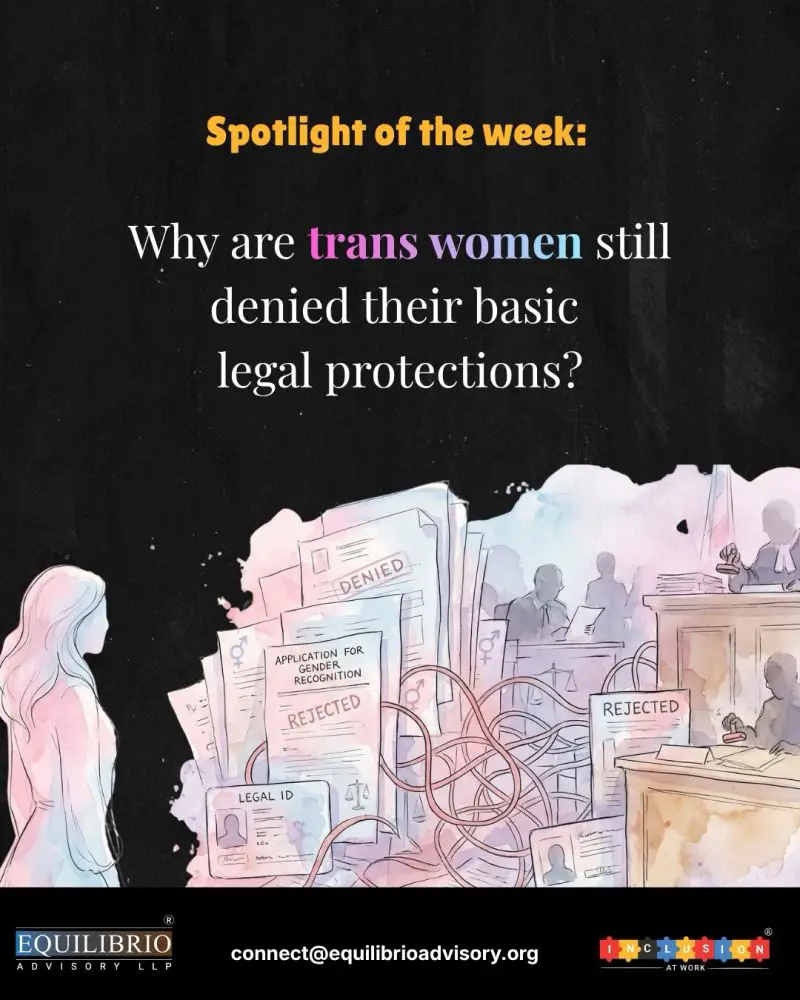
The recent detention of three trans women alongside male protesters in Delhi highlights systemic gaps in legal protections and law enforcement sensitisation.
When gender identity is disregarded, dignity and safety are compromised. Urgent reforms, inclusive policies, and sensitisation are essential to ensure equal protection and safer public spaces for everyone.
Stay Current!
~ Spotlighting Landmark Judgments since passing of the Law!
I - LEGAL UPDATES
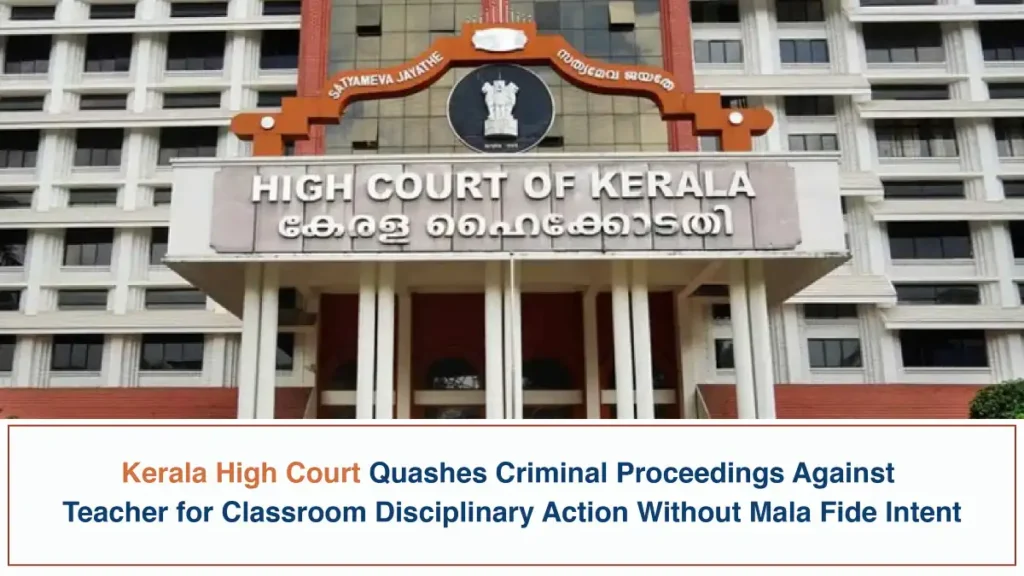
In Jolly John v. State of Kerala, the Kerala High Court quashed criminal proceedings against a teacher accused of causing minor injuries to a fifth-standard student while attempting to maintain classroom discipline. Considering witness statements and medical evidence, the Court found no indication of mala fide or criminal intent and held that the ingredients of Section 82(1) of the Juvenile Justice Act and Section 323 IPC were not made out. The Court clarified that malicious corporal punishment remains a serious matter.
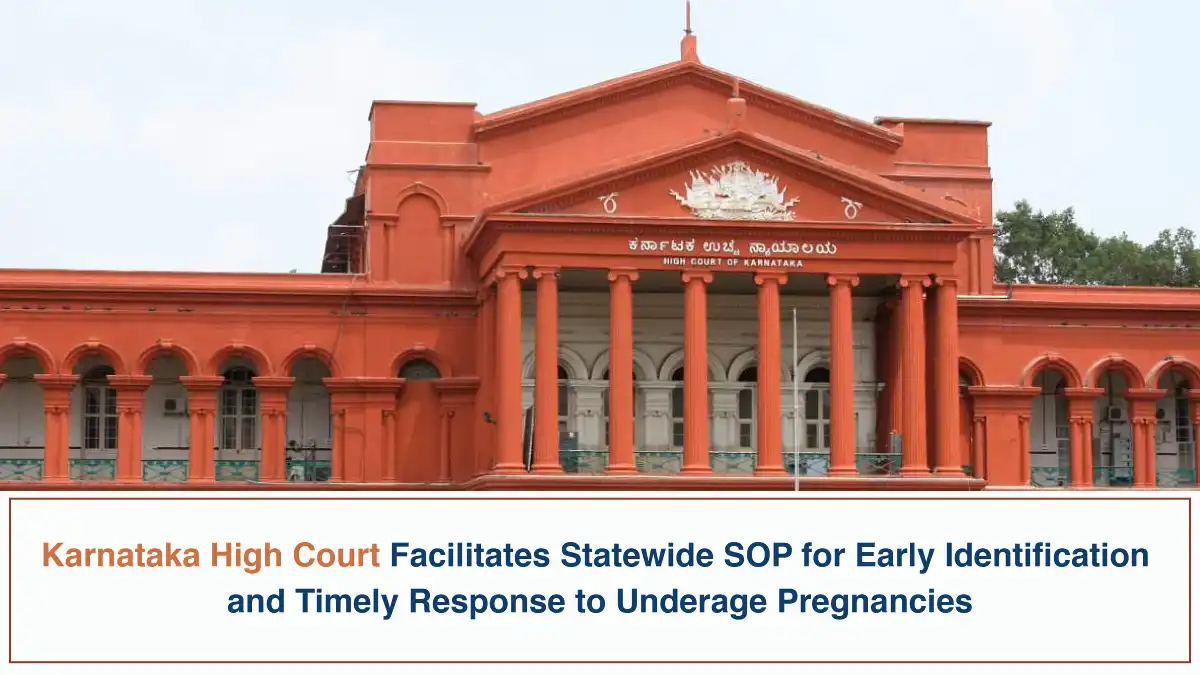
In X v. State of Karnataka, proceedings initiated by a 16-year-old survivor seeking termination of an advanced-stage pregnancy prompted the Karnataka High Court to address systemic delays in identifying underage pregnancies and accessing medical care. Following consultations with the State and an amicus curiae, a Standard Operating Procedure (SOP) was finalised and gazetted. The framework addresses early identification, medical assistance, counselling, legal services and child protection, including care arrangements when a baby is born alive following termination. The writ petition was disposed of after notification of the SOP.
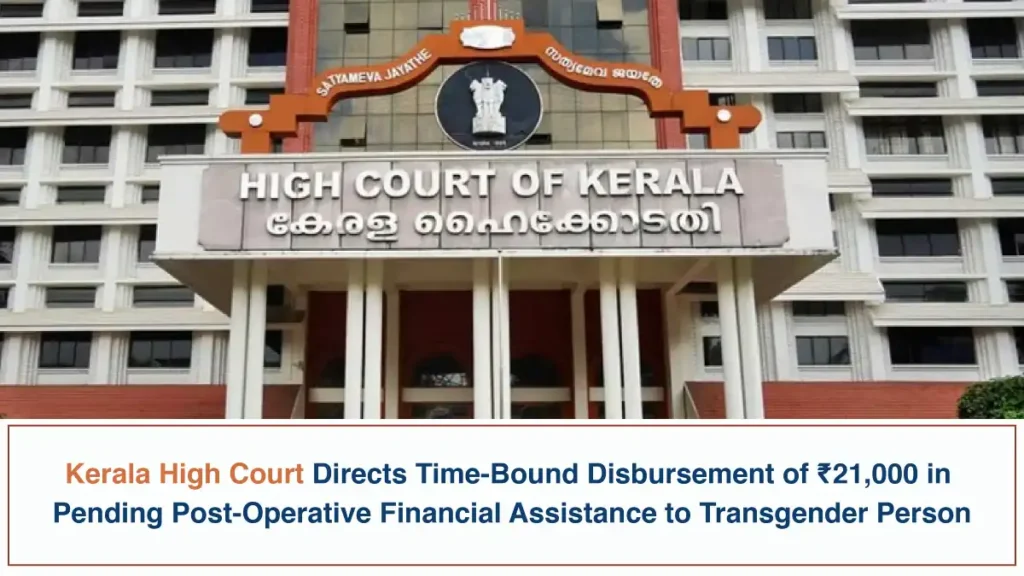
In X v. State of Kerala & Ors., the Kerala High Court addressed a transgender person’s claim for pending financial assistance towards post-operative treatment and aftercare following gender-affirming surgery. After noting that ₹15,000 had been paid and ₹21,000 remained pending for administrative sanction, the Court directed the Director, Directorate of Social Justice, to disburse the eligible balance within two months of receiving a certified copy of the judgment. The Court did not separately award the claimed interest of 18% per annum.
II - Exploring Intersections
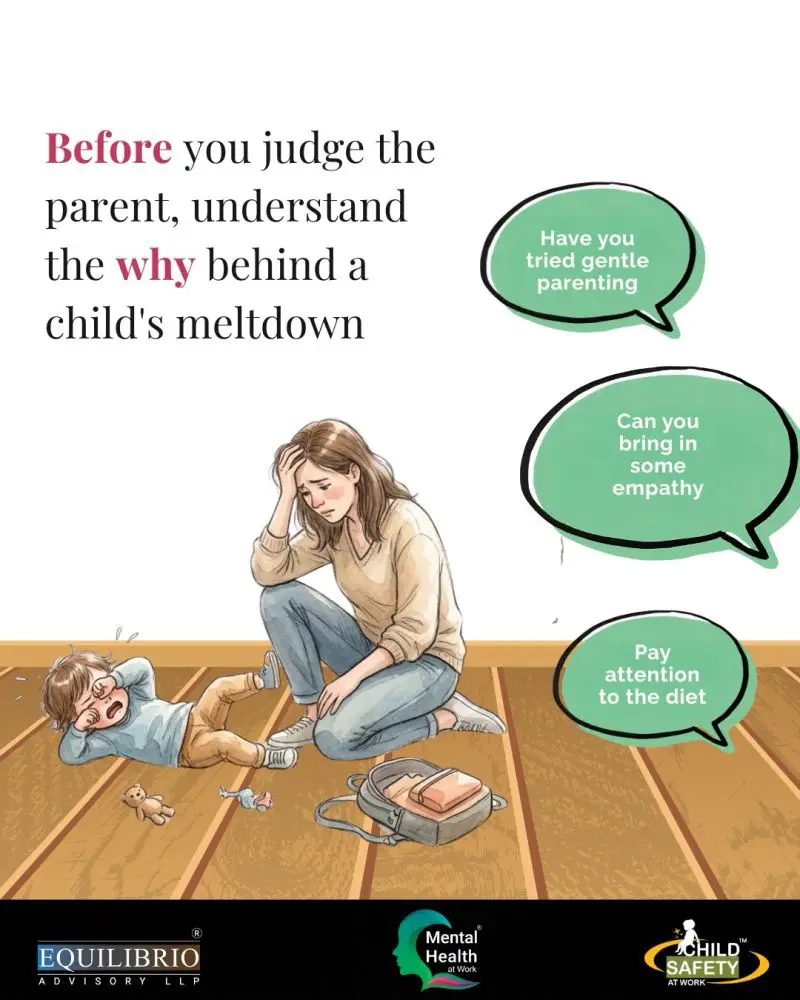
Parenting a neurodivergent child can feel isolating, especially when meltdowns invite judgement rather than understanding. Remember, a meltdown is not a parenting failure.
Join our workshop, Growing Together, to understand neurodivergent children, navigate societal judgement, and learn strategies to support your child while caring for your own mental health.
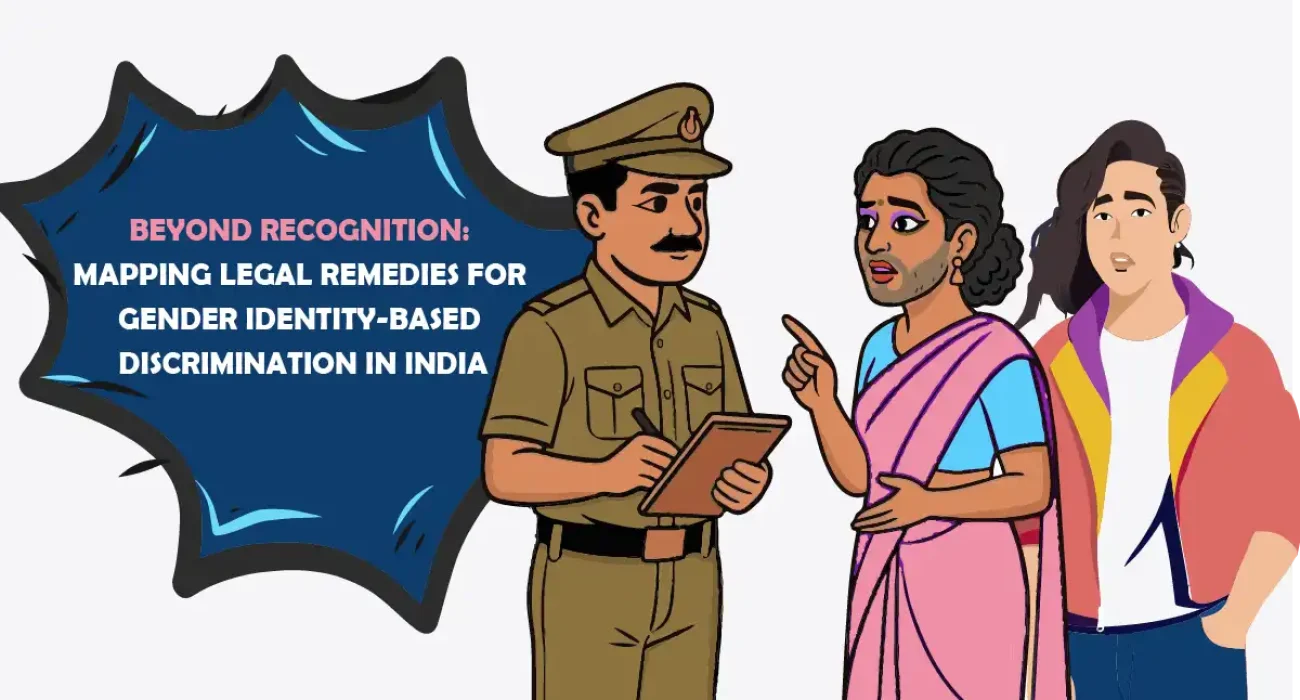
Gender identity discrimination in India remains a significant barrier to equality, despite landmark protections. Legal remedies center on enforcing constitutional rights under Articles 14, 15, and 21, as affirmed by the NALSA judgment. While the Transgender Persons Act provides a framework for grievances, survivors often face procedural hurdles in seeking justice. Effective advocacy requires understanding how to navigate these legal pathways, challenge exclusionary practices, and demand accountability to ensure dignity and safety for all gender-diverse individuals.
Engage with us!
Here's your weekly food for thought through a Fun Fact or Quiz.
Did you know that Japan has child abuse guidelines in place that recognize that threatening children with religious punishment, such as the fear of consequences in the after-life, constitutes psychological abuse? Developed by the Ministry of Health, Labour and Welfare in December 2022, these essential standards aim to protect children raised in environments where religious fear, threats, and coercion are used to control behavior.
Beyond verbal threats, the guidelines explicitly categorize the use of corporal punishment during religious activities as abuse. Furthermore, they address the critical issue of medical neglect, identifying the refusal of life-saving treatments—like blood transfusions—based on religious doctrine as a form of maltreatment. These policies mark a significant shift toward prioritizing a child’s physical and mental wellbeing over dogmatic control. By establishing these clear boundaries, Japan is taking a vital step in ensuring that no child’s development is compromised by fear or the denial of necessary, life preserving care.

Have a burning question about POSH? Maybe Mental Health at Work, Child safety or DEI&B strategies? Drop us an email with your query and we would love to answer it, in all seriousness.
Curious Cat:
How is the UK modelling what gender equity can look like within the justice system?
Answer:
By launching specialist rape courts, the UK is working to fix the deep flaws that often make the legal system harder for survivors of gender-based sexual violence. Instead of forcing victims to face long, stressful delays, these courts use dedicated resources and teams trained specifically to handle these sensitive cases with care. This approach recognizes that true fairness means minimizing the extra trauma that court backlogs often cause.
By shifting the focus from slow bureaucracy to a survivor-centered process, these courts aim to make justice more reachable. It shows that an equitable system must do more than just process paperwork. It must equally prioritize empathy and respect for those seeking help. This model demonstrates that we can build institutions that actively remove the barriers that keep survivors from finding safety and accountability in the eyes of the law.

Here’s all the tools you need to build safe and equitable workspaces!
Drop us a Hey, to get started!