

The Equilibrio Gazette
A brief buletin for building safe workspaces!
This weekly newsletter is your gateway to staying current on relevant laws (like POSH, POCSO, Transgender Persons Act, etc.) and the psychosocial intersections that impact the workplace.
21st August 2026 | Issue No. 147
Upcoming Events
Mark your calendars! In this section, we highlight an upcoming event you won't want to miss.
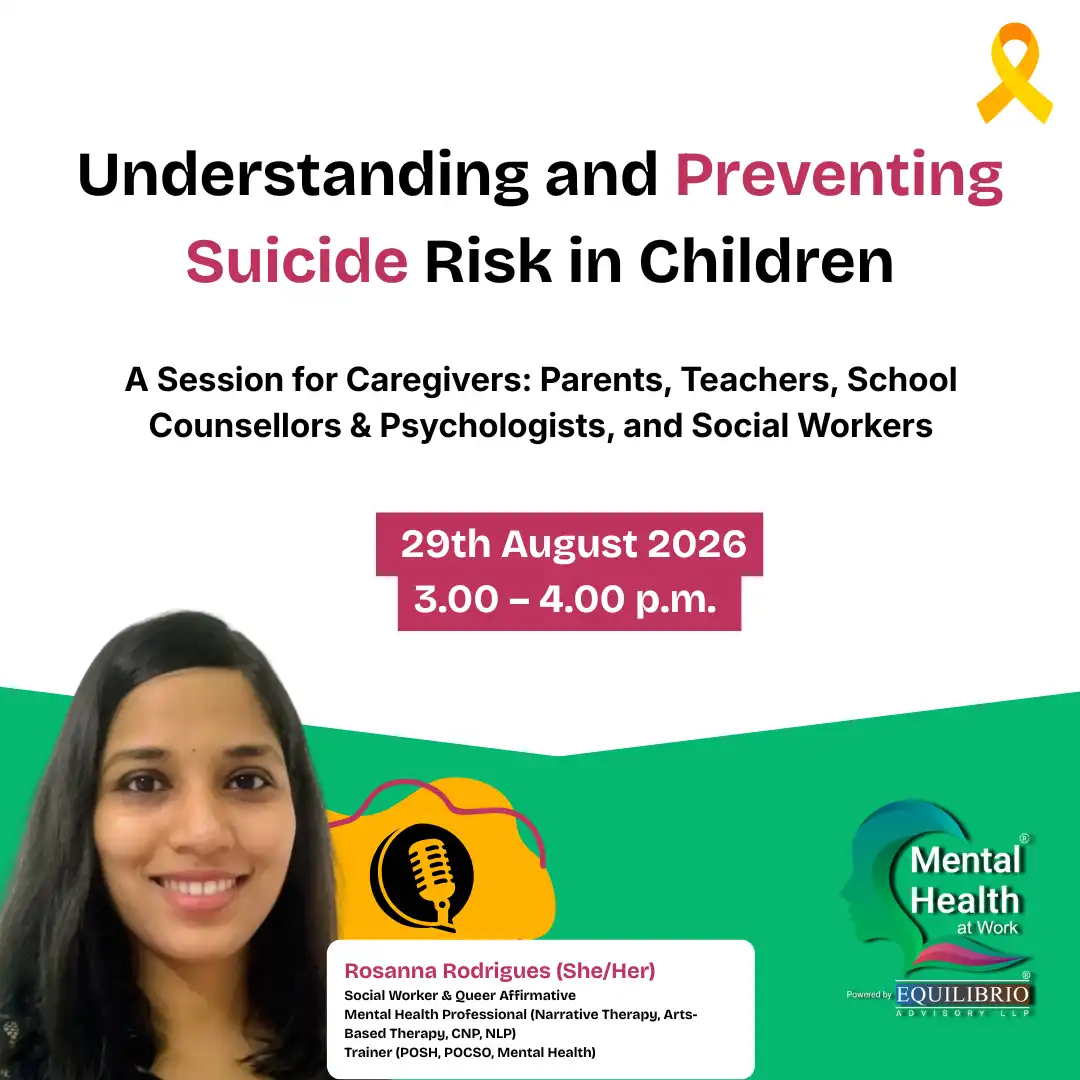
Understanding and Preventing Suicide Risk in Children
A Session for Caregivers: Parents, Teachers, School Counsellors & Psychologists, and Social Workers. Most of us were never taught how to recognize when a child is struggling on the inside while looking completely fine on the outside. We’re taught to watch for red flags, but by the time the obvious ones appear, the child has often been carrying it alone for a long time. This session closes that gap.
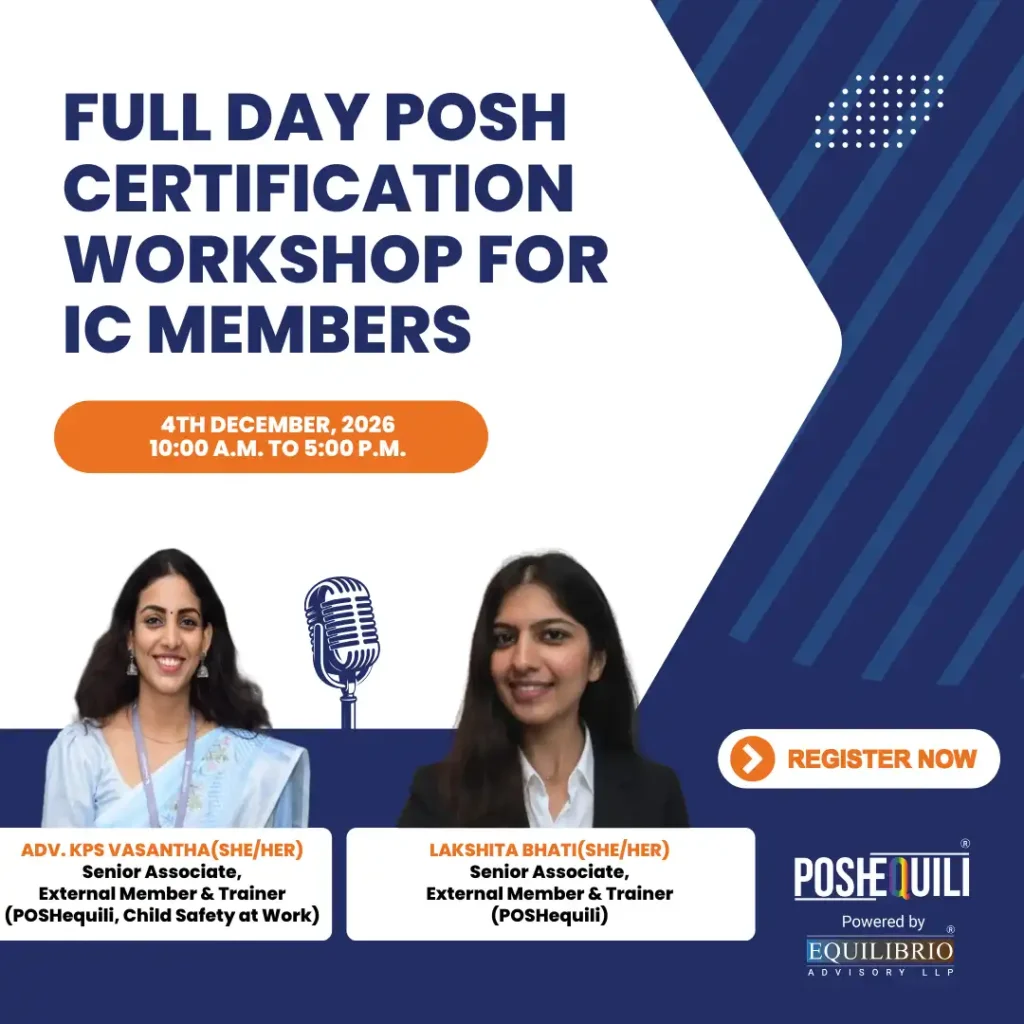
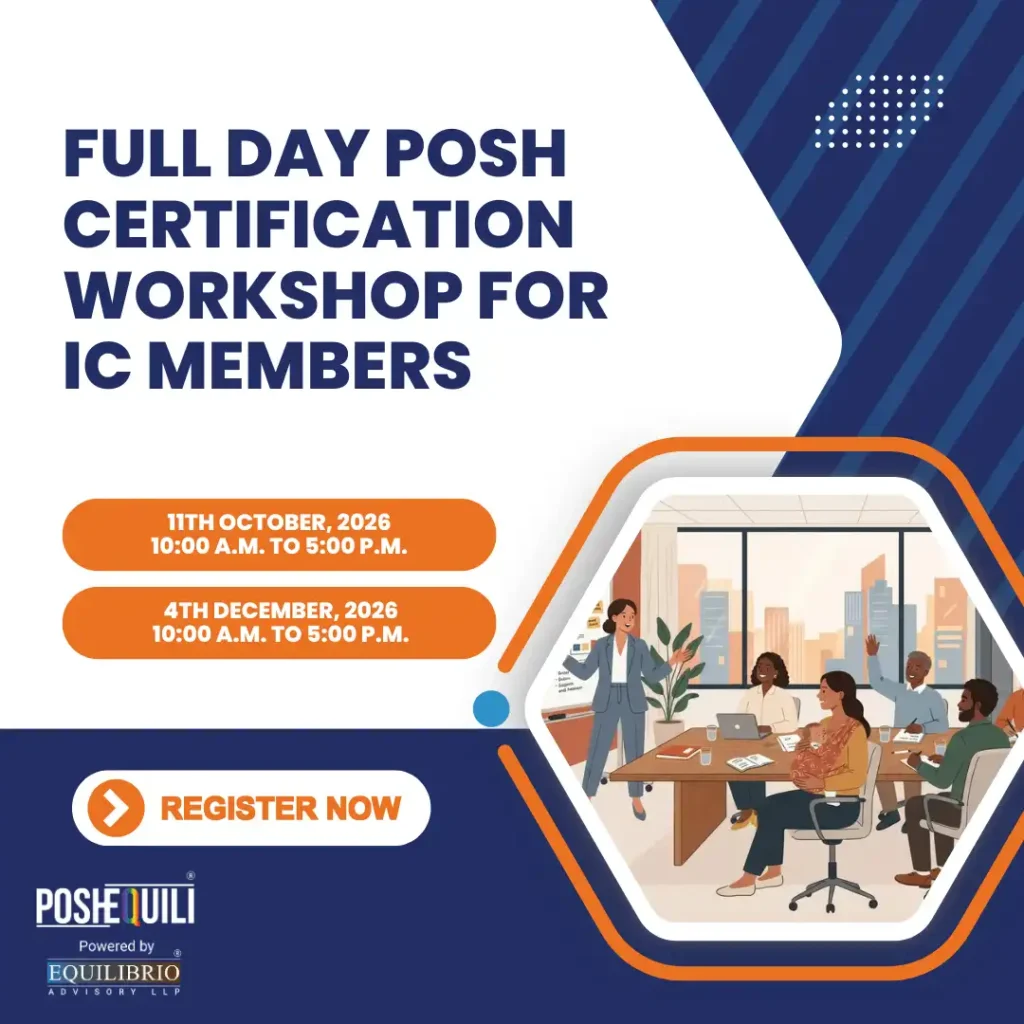
Equip your Internal Committee with the practical skills to handle POSH complaints, conduct fair inquiries, maintain confidentiality, and navigate complex situations with confidence.
Join Equilibrio Advisory LLP’s virtual POSH Certification Workshop and strengthen your IC’s capacity to uphold safer, more accountable workplaces.
In the Spotlight!
Explore ways to build your knowledge and capacity with our team of in-house experts!
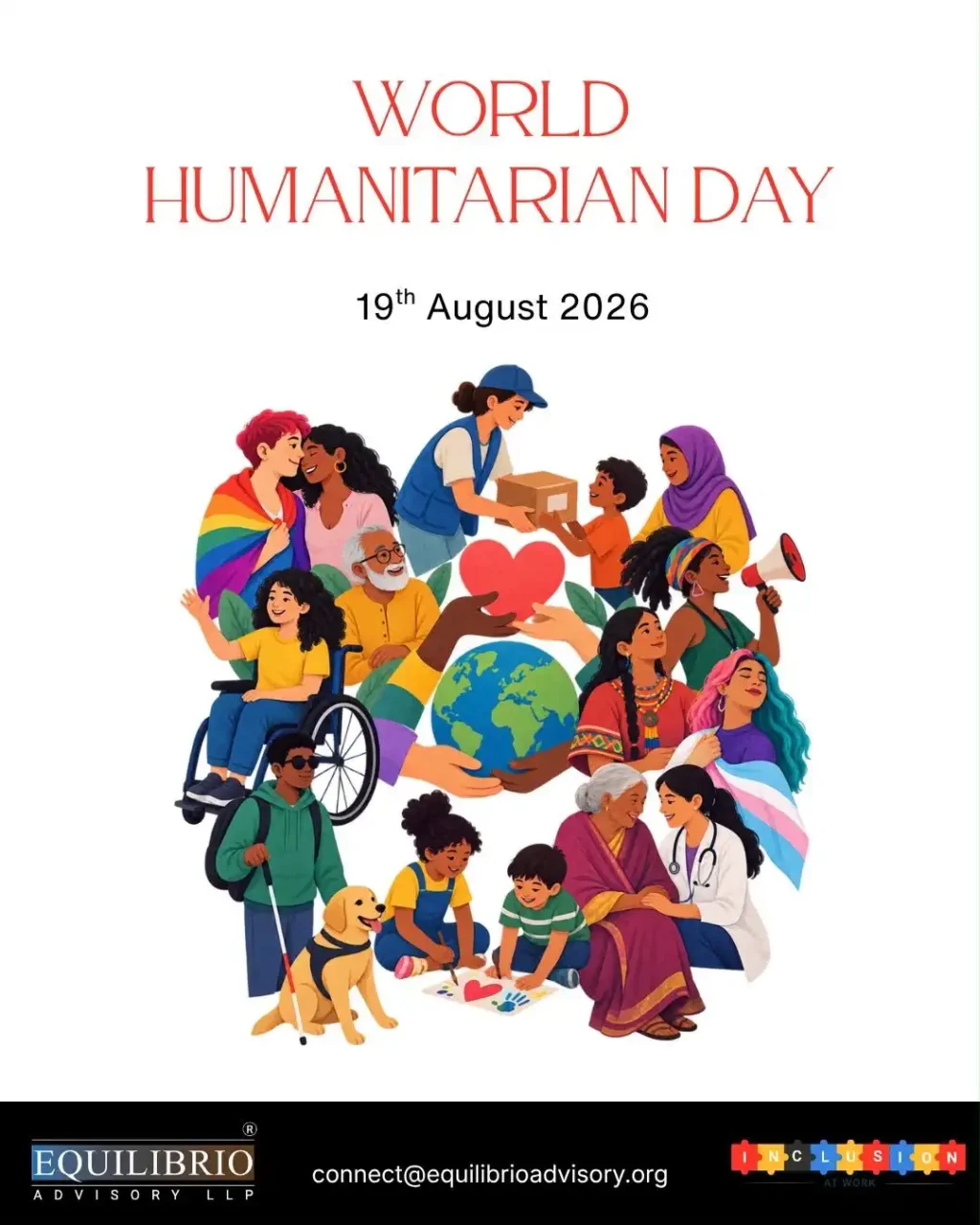
On World Humanitarian Day, we’re reminded that dignity, equity, and advocacy belong within our workplaces too. A humanitarian lens means recognizing diverse identities, challenging systemic bias, enabling accessibility, and creating space for every voice. When workplaces honour people’s full humanity, inclusion becomes the foundation—not an afterthought—for a more compassionate world.
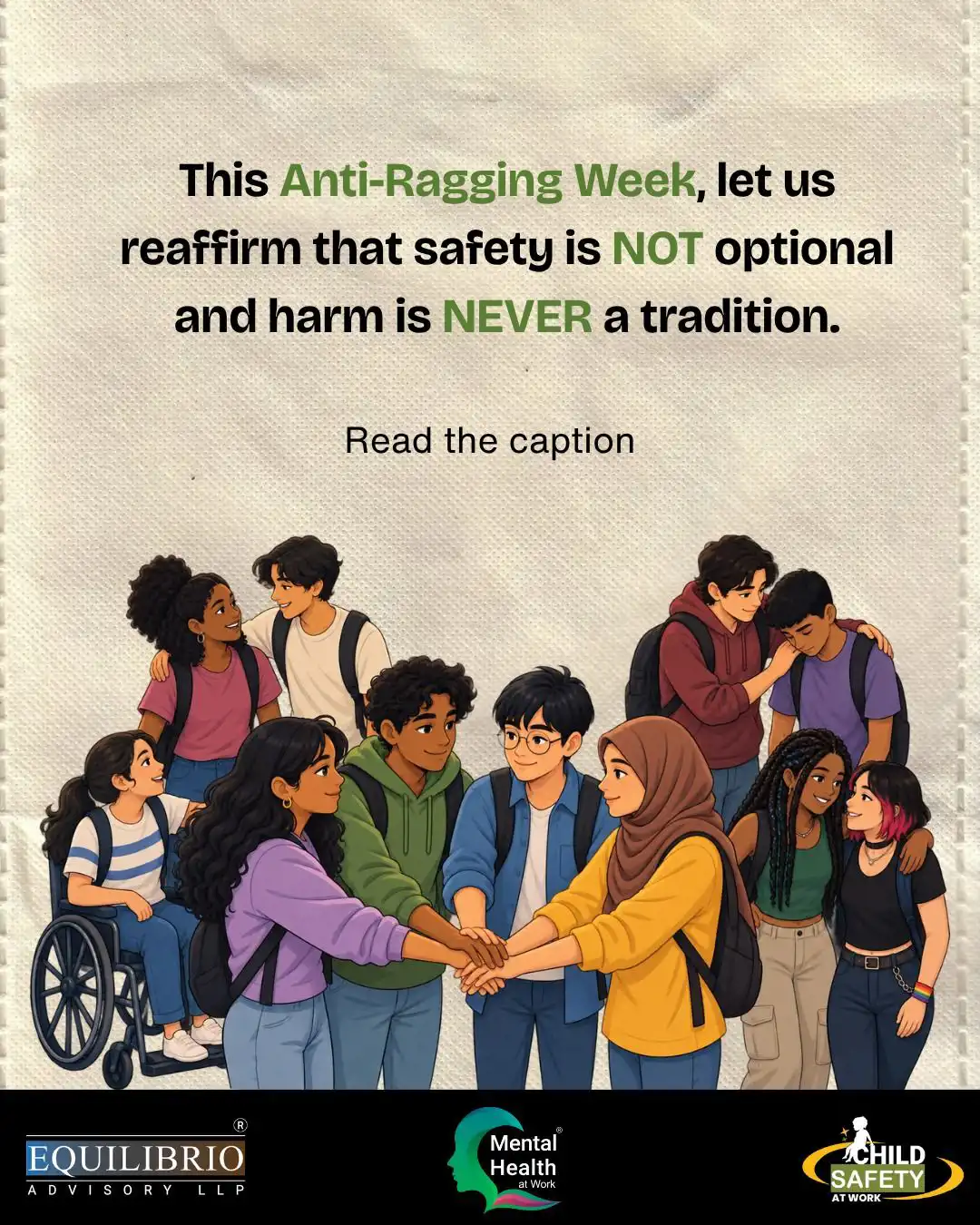
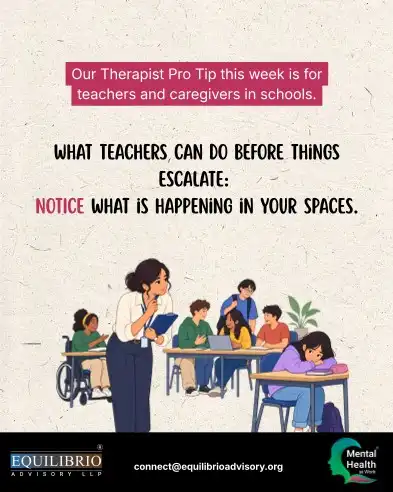
A classroom is more than a place to learn- it is where children learn whether they are safe, seen, and supported.
Ragging, exclusion, and humiliation can follow a child home, affecting their sleep, confidence, and sense of self.
Notice. Intervene. Follow up. Your attention and presence can be the most powerful intervention in the room.
Join our upcoming workshop: Understanding and Preventing Suicide Risks in Children.
Ragging isn’t tradition-it’s bullying backed by seniority. This Anti-Ragging Week, let’s recognise how discrimination and exclusion can fuel harm and remember that safer campuses require everyone’s participation. A senior who checks in, a bystander who speaks up, or a fresher who reports can help break the culture of silence.
Stay Current!
~ Spotlighting Landmark Judgments since passing of the Law!
I - LEGAL UPDATES

The Punjab and Haryana High Court denied regular bail in a POCSO case, holding that the consistent testimony of the minor victim carried substantial evidentiary value at the bail stage. The Court observed that the absence of medical evidence indicating penetrative assault could not, by itself, justify bail where the allegations were grave and the victim had specifically attributed the offence to the accused. The Court emphasised heightened judicial caution in cases involving sexual violence against children.
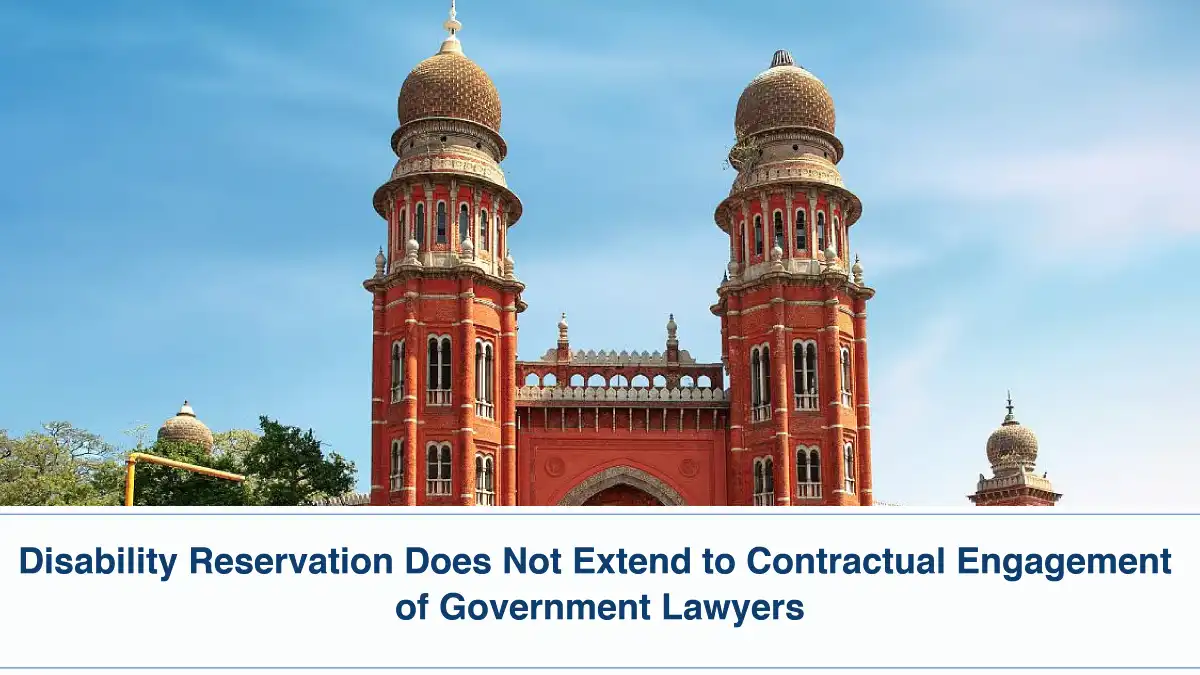
The Calcutta High Court held that a matrimonial Court dealing with a mutual-consent divorce petition cannot exceed its statutory jurisdiction by directing registration of a POCSO case where no offence is alleged in the pleadings. The Court clarified that a child marriage is generally voidable at the option of the contracting party who was a child under the Prohibition of Child Marriage Act. It further highlighted the natural-justice concern where the same judge could potentially adjudicate the criminal proceedings arising from a complaint they directed.

Anti-ragging compliance goes beyond awareness campaigns. This article breaks down the UGC’s 2026 advisory, key activities, documentation requirements, participation records, and Action Taken Report (ATR) submission process to help Higher Educational Institutions build a safer, more accountable campus.
II - Exploring Intersections
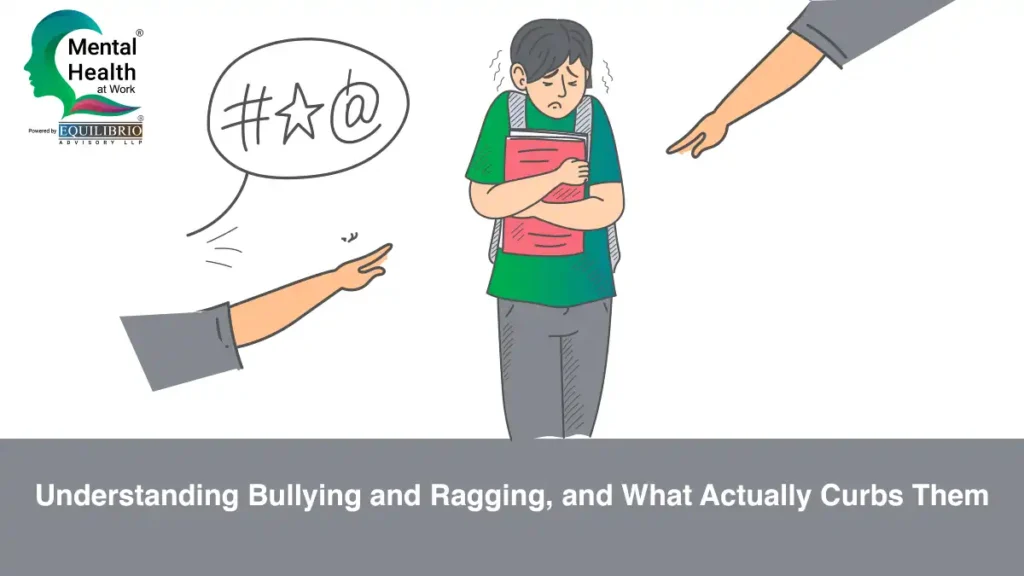
Bullying and ragging are not simply individual acts of cruelty-they are shaped by power, group dynamics, and institutional culture. This article explores what actually works to prevent them, from whole-campus approaches and bystander intervention to safe reporting, mentoring, and consistent adult support. Because safer campuses require more than policies-they require cultural change.
Engage with us!
Here's your weekly food for thought through a Fun Fact or Quiz.
Did you know that Google’s new Pixel 11 features an AI model designed to translate American Sign Language (ASL) into written text? Powered by DeepMind’s SL2T model, this technology recognizes complex movements across the upper body and face, allowing Deaf users to communicate in their own language rather than defaulting to written English. Notably, this project was shaped by Deaf employees and experts, ensuring the community influenced its development.
However, accessibility technology is not a replacement for qualified human interpreters. Google warns that this tool is intended for low-stake communication and should not be used by institutions to bypass accessibility obligations in settings like classrooms or courtrooms. With over 200 sign languages globally, this is only a heartening starting point.

Have a burning question about POSH? Maybe Mental Health at Work, Child safety or DEI&B strategies? Drop us an email with your query and we would love to answer it, in all seriousness.
Curious Cat:
How does the viral success of Caro Claire Burke’s novel “Yesteryear” challenge the internet’s obsession with “tradwife” aesthetics?
Answer:
Tradwife culture is a digital movement where social media influencers build their personal brand by romanticizing highly traditional gender roles, domesticity, and submission. They often present a “simpler” lifestyle centered on motherhood, homemaking, and adherence to conservative values. The “tradwife” aesthetic subtly frames the choice of a woman to pursue a career as a less desirable and inherently less worthy path.
Yesteryear strips away the romanticized filter of tradwife culture by placing an influencer protagonist into the harsh reality of 1855, where the modern comforts that make “traditional” living luxurious simply did not exist. The novel exposes the irony of “tradwife” influencers discarding feminist principles of gender equity in the home space, while leveraging social media and capitalism to commodify domesticity as a brand.
Burke argues that this digital nostalgia is less about history and more about a contemporary fantasy of womanhood. By positioning femininity as high-stakes content, the book forces readers to confront uncomfortable questions: who truly benefits from this performative domesticity? What is the hidden cost of selling an idealized, unpaid life of domestic labour? Its massive success proves that audiences are eager to move beyond the aesthetic and sit with the complex, often exploitative, power dynamics behind their phone screens.

Here’s all the tools you need to build safe and equitable workspaces!
Drop us a Hey, to get started!