

The Equilibrio Gazette
A brief buletin for building safe workspaces!
This weekly newsletter is your gateway to staying current on relevant laws (like POSH, POCSO, Transgender Persons Act, etc.) and the psychosocial intersections that impact the workplace.
14th August 2026 | Issue No. 146
Upcoming Events
Mark your calendars! In this section, we highlight an upcoming event you won't want to miss.
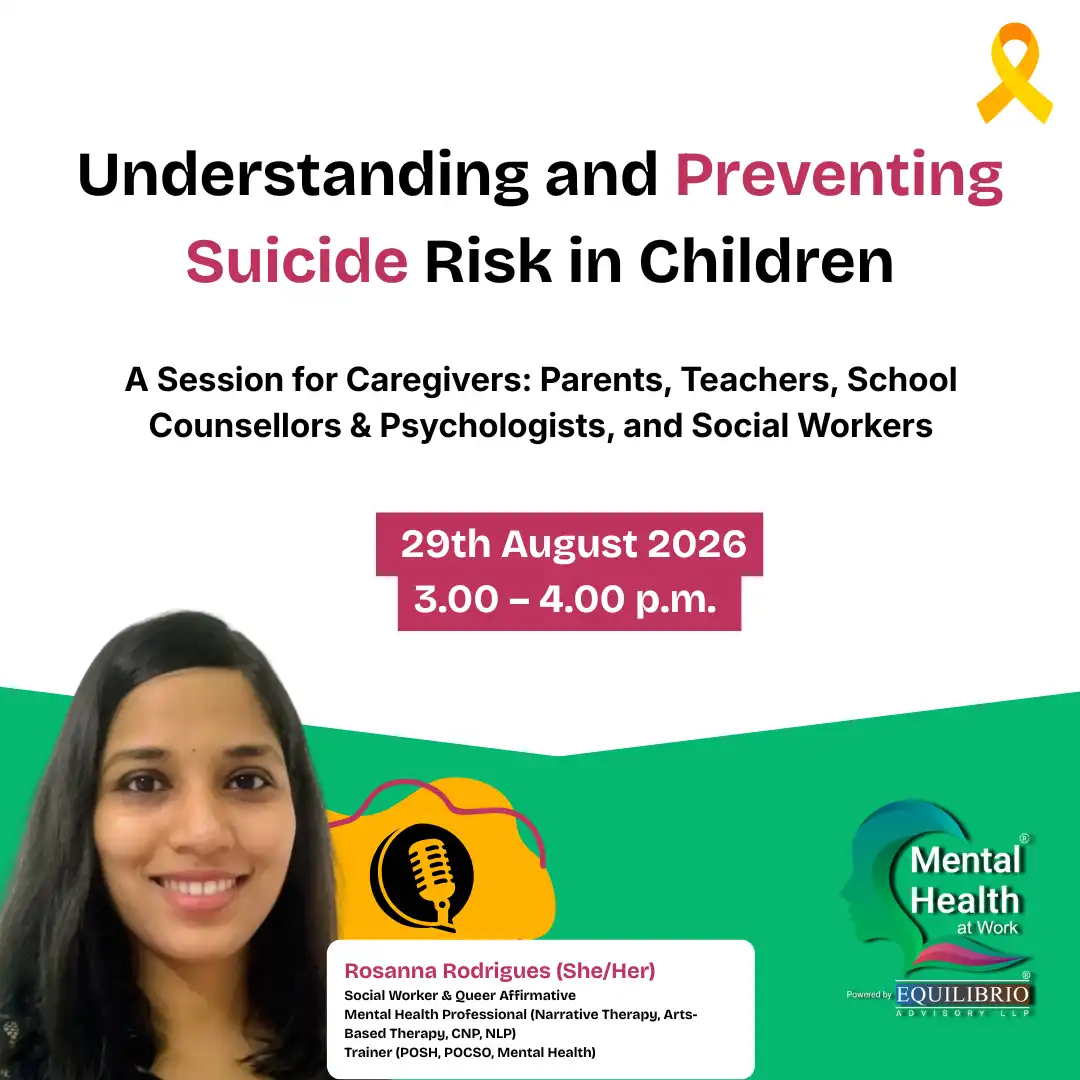
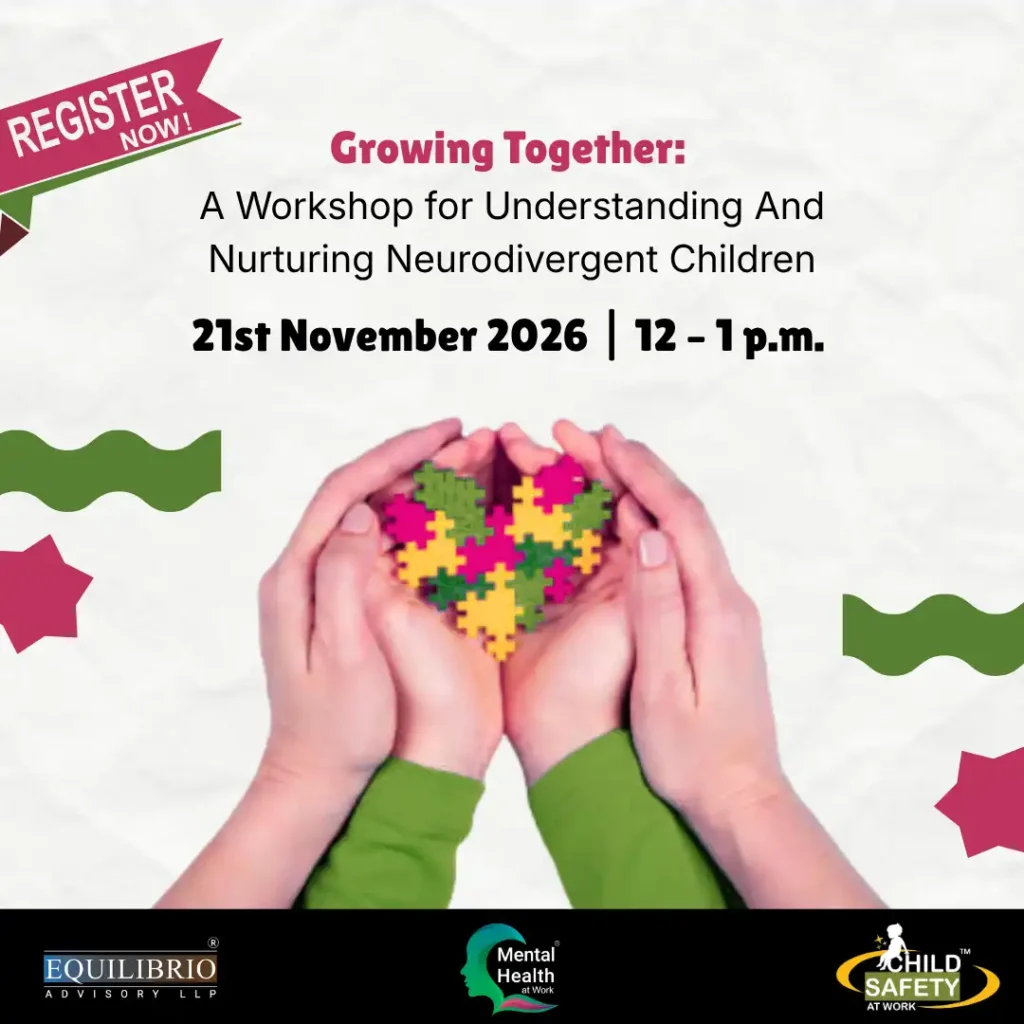
Understanding and Preventing Suicide Risk in Children
This practical, evidence-informed session helps parents, educators, counsellors, psychologists, and social workers identify risk early, respond confidently, and build a circle of safety around every child.
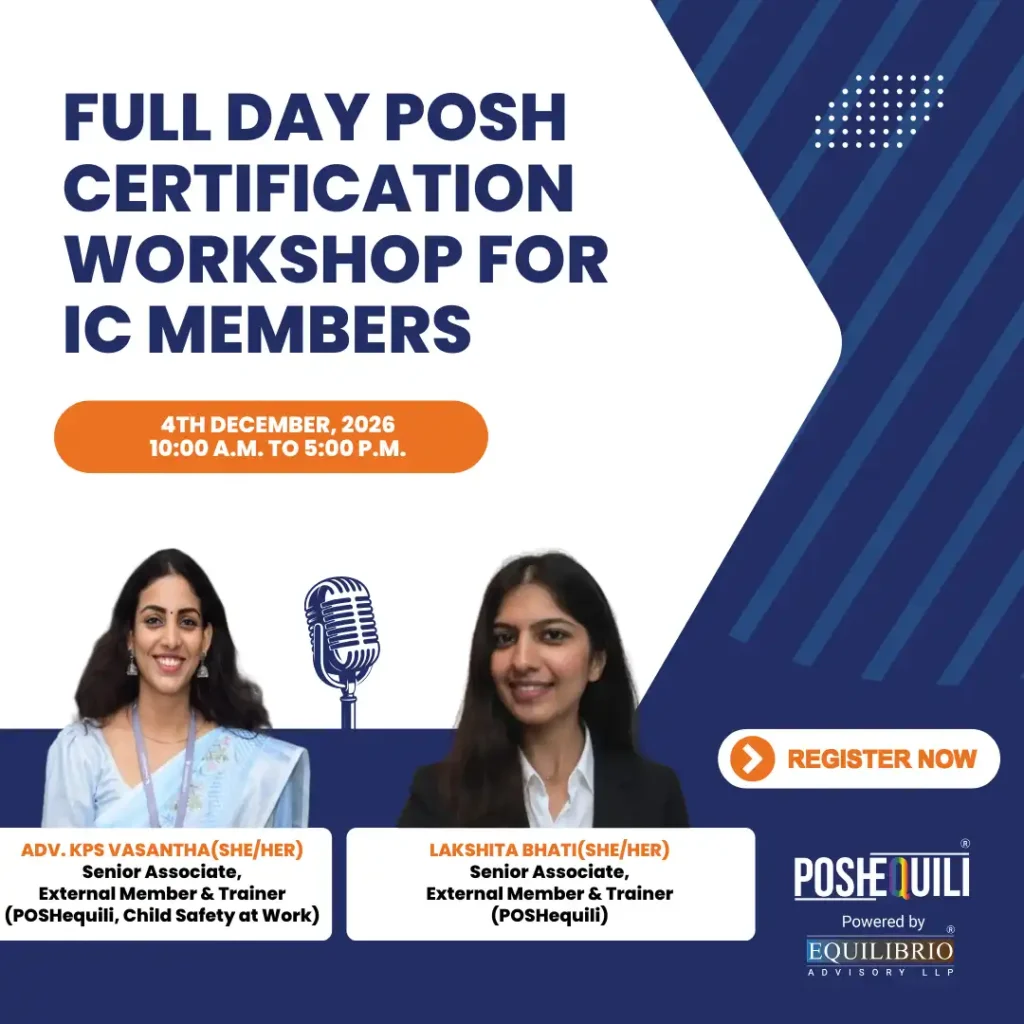
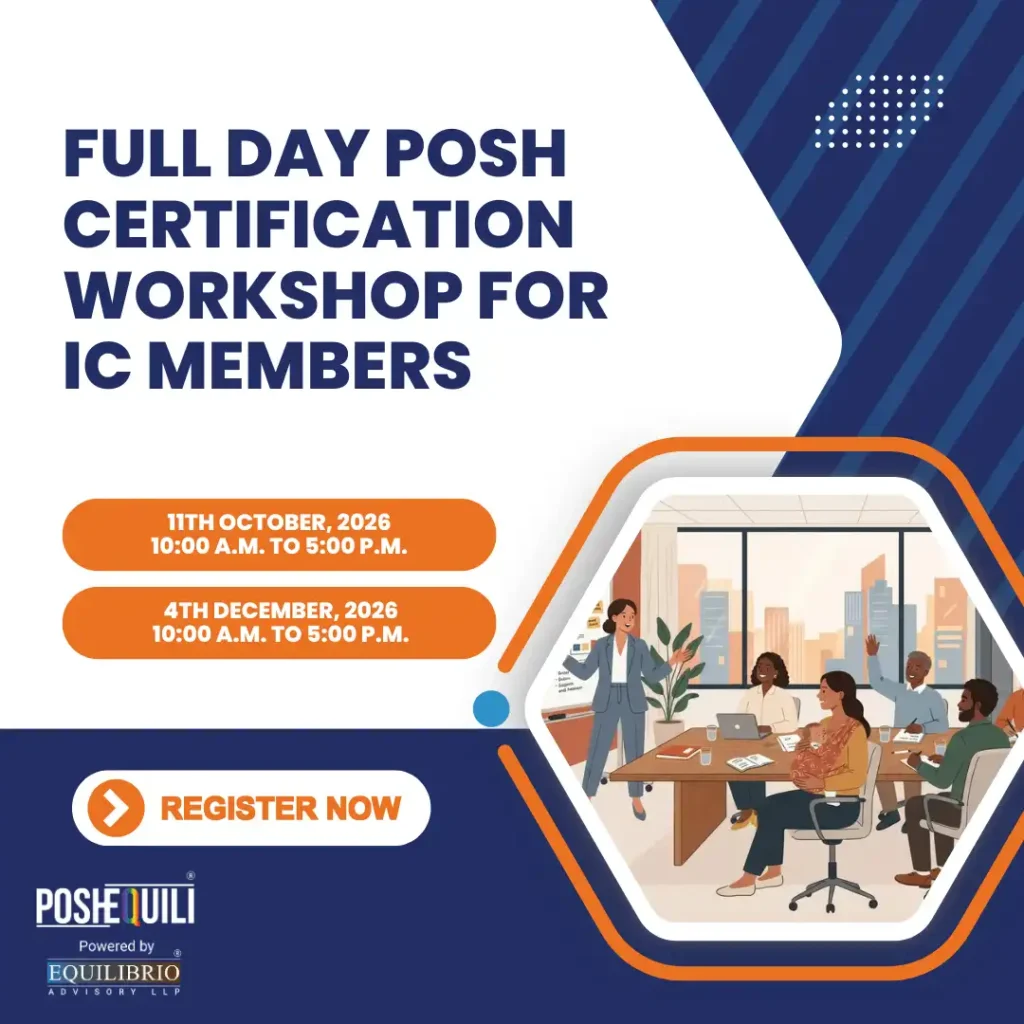
Build Confidence. Strengthen Your IC.
Equip Internal Committee members with practical knowledge to handle POSH complaints, conduct inquiries, follow due process, maintain confidentiality, and navigate complex situations with confidence. Join Equilibrio Advisory LLP’s virtual POSH Certification Workshop and strengthen your capacity to uphold safer, more accountable workplaces.
In the Spotlight!
Explore ways to build your knowledge and capacity with our team of in-house experts!
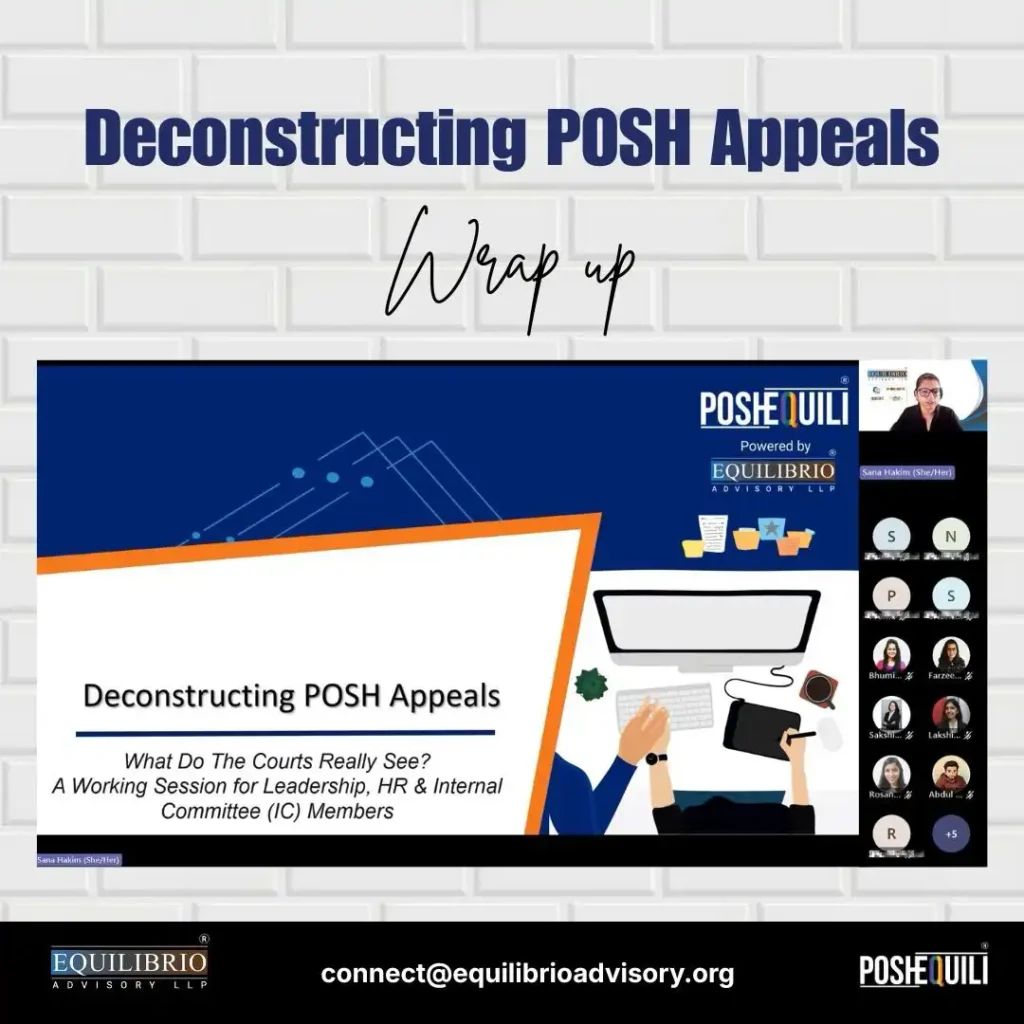
Deconstructing POSH Appeals: What Do Courts Really Look For?
Our session with Co-founder Sana Hakim explored what happens when a POSH matter reaches appeal. Participants examined IC constitution, natural justice, evidence, documentation, timelines, proportionality, and appeal rights highlighting how the strength of an inquiry ultimately rests on the file it leaves behind.
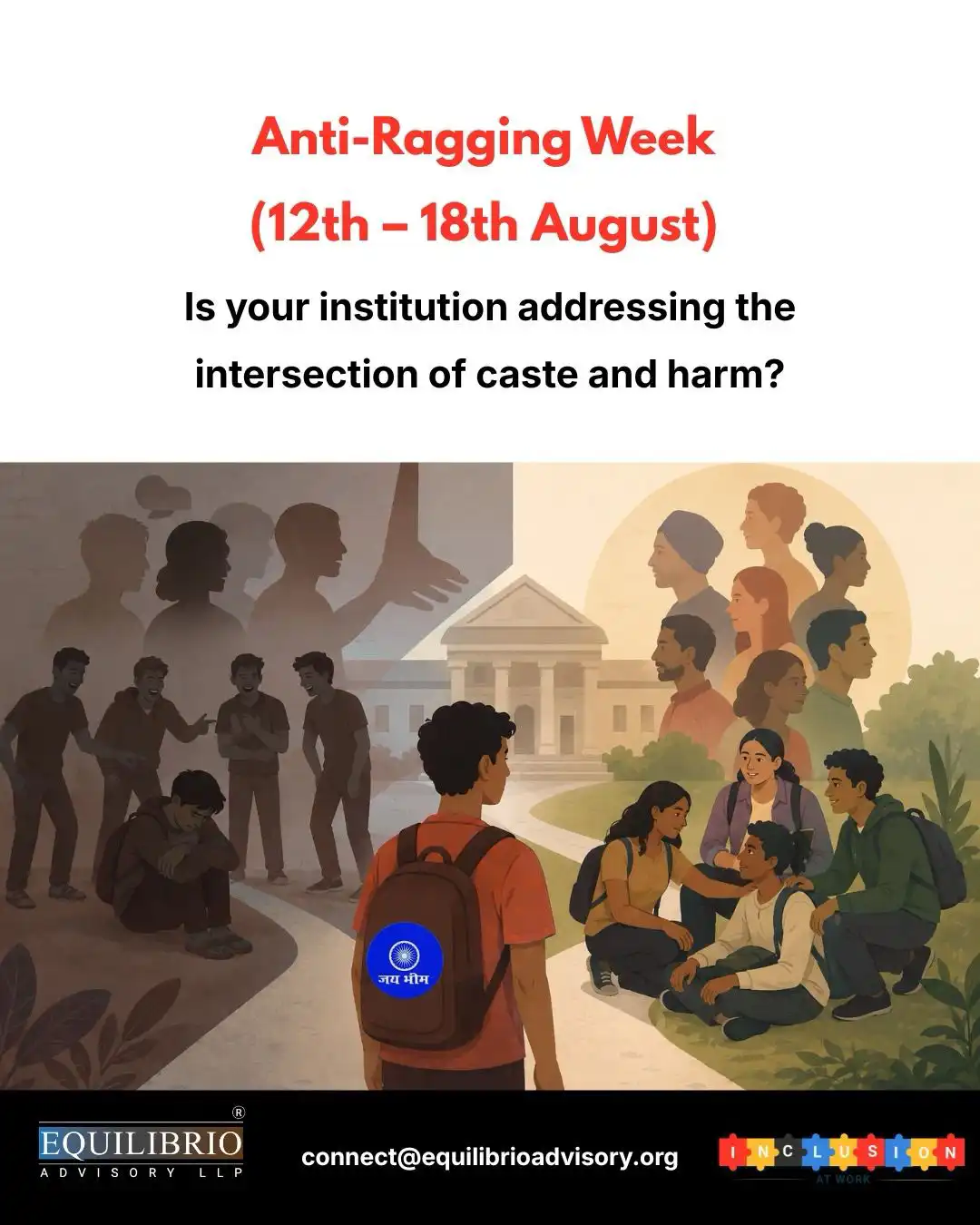
This Anti-Ragging Week, we examine how ragging can become a tool of exclusion, particularly for students from marginalised communities. The legacy of Dr. Payal Tadvi reminds us of the devastating consequences of unchecked power and systemic failures. Creating safer institutions requires moving beyond rules towards accountability, inclusion, and systemic change.
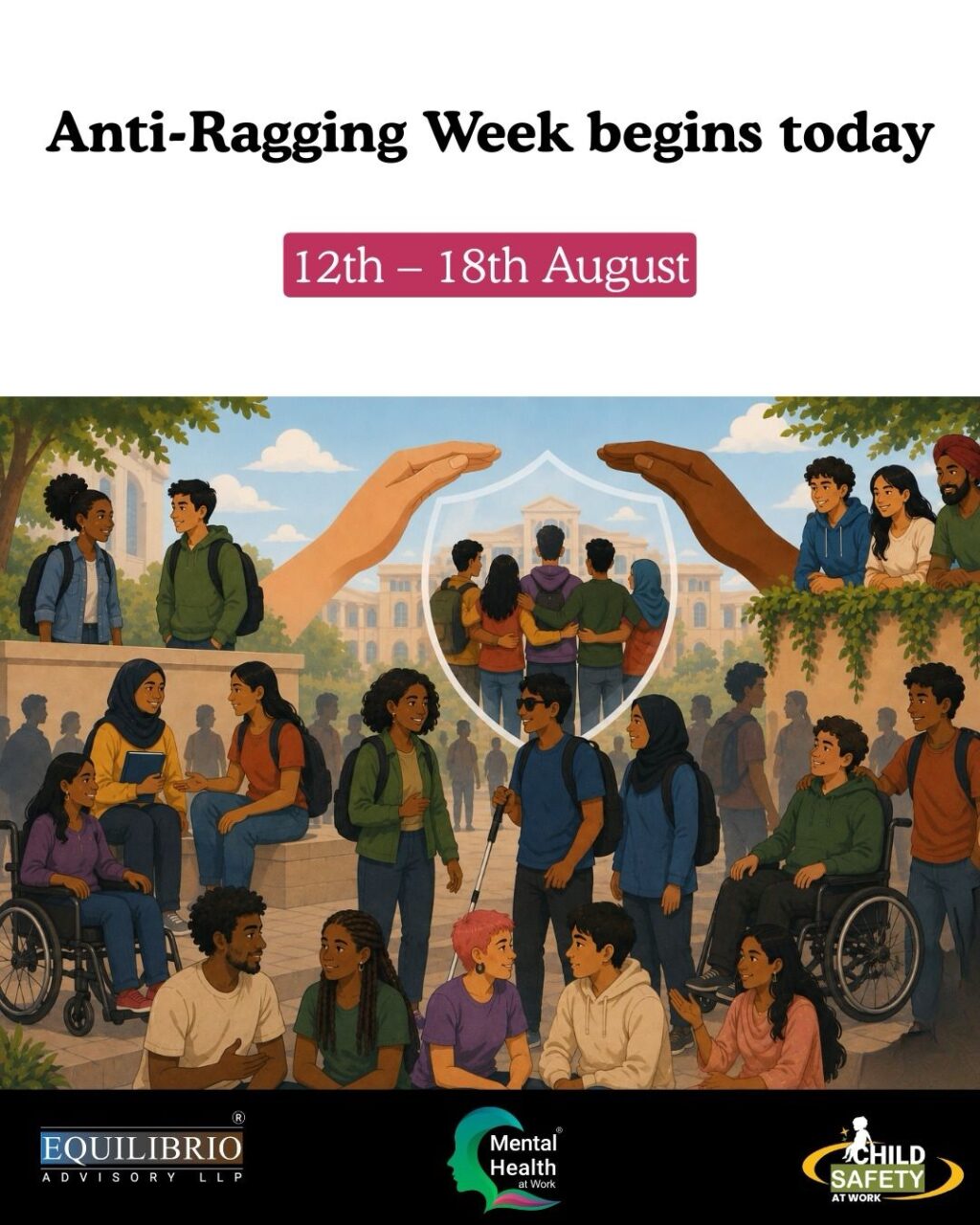
Ragging isn’t tradition-it’s bullying backed by seniority. This Anti-Ragging Week, let’s recognise how discrimination and exclusion can fuel harm and remember that safer campuses require everyone’s participation. A senior who checks in, a bystander who speaks up, or a fresher who reports can help break the culture of silence.
Stay Current!
~ Spotlighting Landmark Judgments since passing of the Law!
I - LEGAL UPDATES
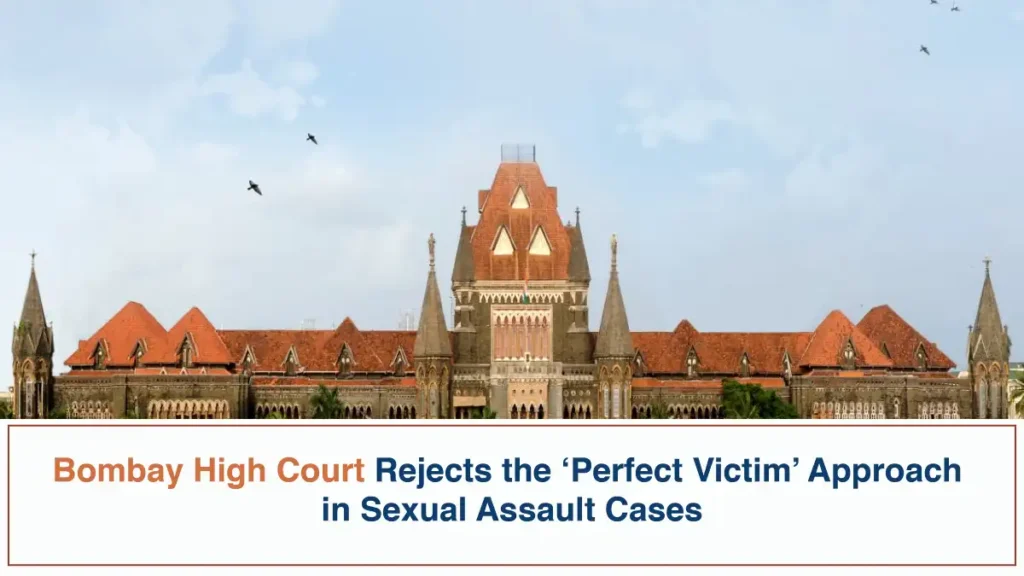
Bombay High Court Rejects the “Perfect Victim” Approach in Sexual Assault Cases
The Bombay High Court set aside the acquittal and convicted the accused in a sexual assault case, holding that the victim’s testimony was reliable and supported by surrounding circumstances and electronic evidence. The Court rejected stereotypical expectations of survivor behaviour, observing that delayed reporting, past relationships, social interactions or continued professional functioning cannot, by themselves, discredit an allegation of sexual assault. The judgment also recognised the significance of workplace power, trust, dominance and authority in assessing aggravated sexual offences.

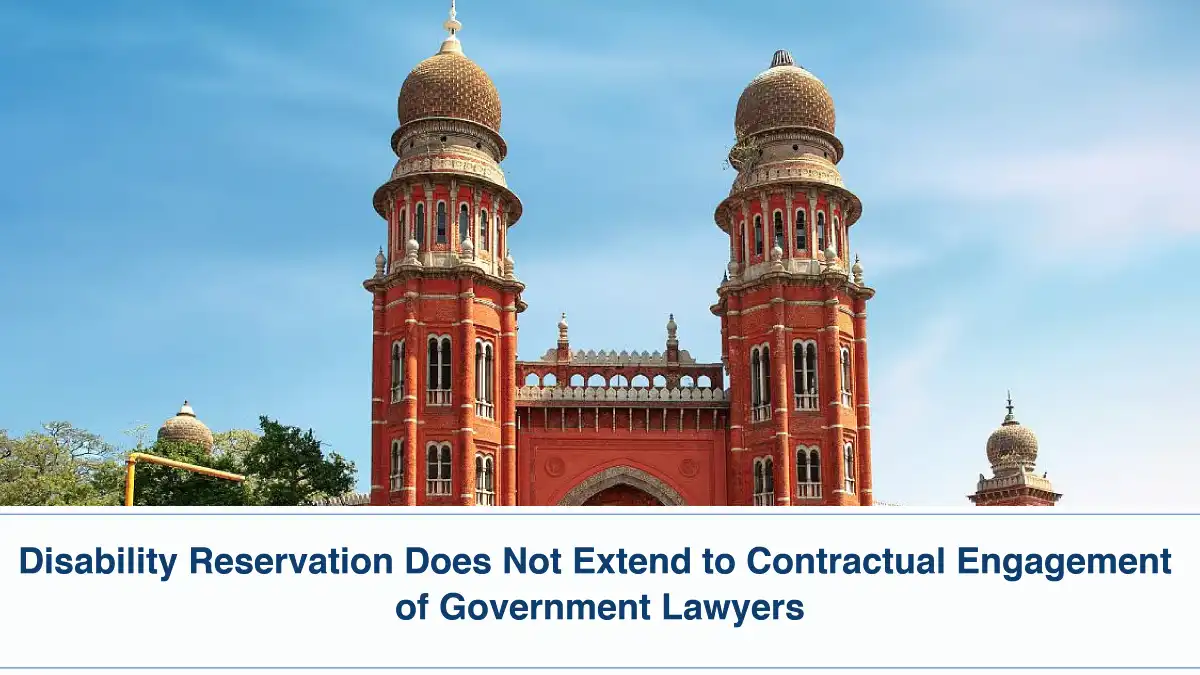
Disability Reservation Does Not Extend to Contractual Engagement of Government Lawyers
The Madras High Court held that statutory reservation for persons with benchmark disabilities under Section 34 of the Rights of Persons with Disabilities Act, 2016 cannot be indirectly extended to the contractual engagement of Government lawyers. The Court distinguished Government employment from engagement of counsel to represent the State in litigation, emphasising the Government’s discretion to choose its legal representatives. While reasonable accommodation remains an important statutory principle, it cannot be used to impose reservation in such contractual engagements.
II - Exploring Intersections
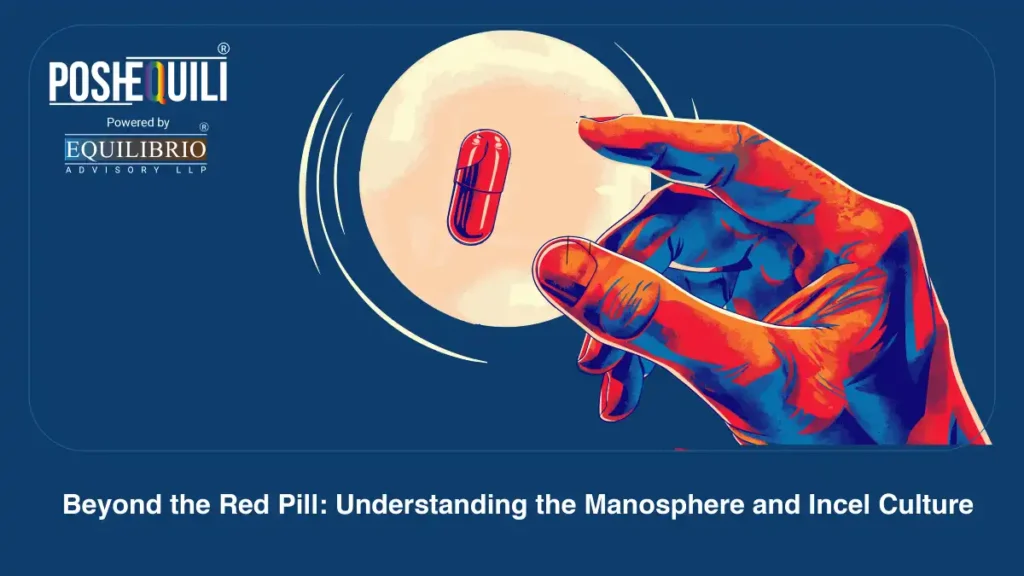
What begins as a search for belonging, answers, or self-improvement can sometimes lead young people into online spaces shaped by misogyny, resentment, and harmful ideas about masculinity. This article explores the manosphere, incel culture, and why understanding these digital pathways matters for parents, educators, and communities.
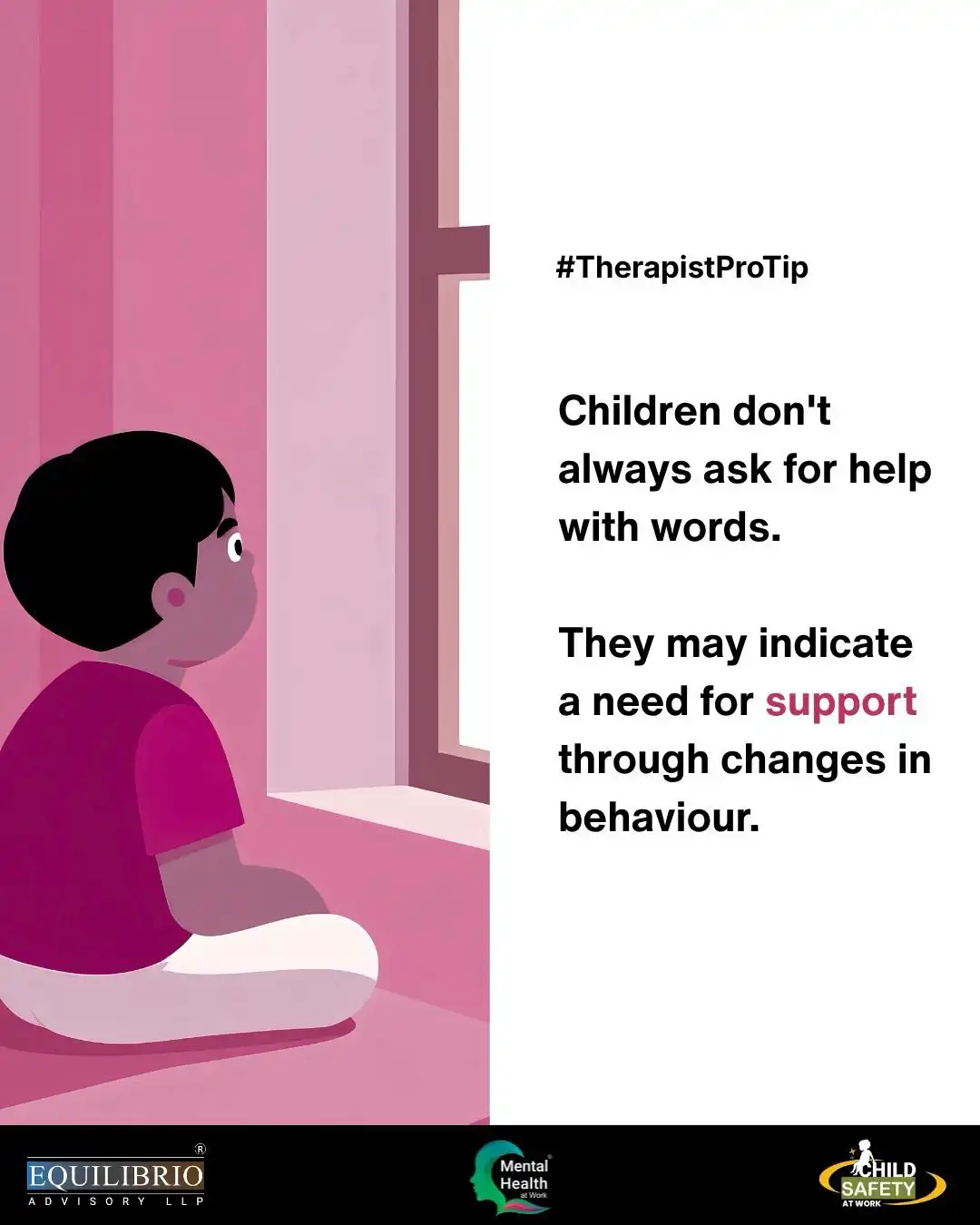
The loudest signs of distress aren’t always the most obvious. Sometimes, risk looks like a child who suddenly becomes quiet, withdrawn, or “easy.” Silence can be struggle turned inward. Our workshop helps parents and caregivers recognise both overt changes and quiet withdrawal and respond before a child’s silence becomes a crisis.
Engage with us!
Here's your weekly food for thought through a Fun Fact or Quiz.
Did you know that women accounted for just 21.7% of performers across major U.S. music festivals in 2025? While mainstream stages remain dominated by men, a new wave of women-led festivals is actively dismantling this imbalance. Platforms like All Things Go and Olivia Rodrigo’s new Daisy Chain Fields are prioritizing women, queer, and trans artists to create spaces that feel significantly safer and more inclusive for music festival attendees. These festivals do more than provide a stage; they serve as hubs for activism, reproductive health advocacy, and community building.
By intentionally making space for gender equity, and feminist kinship within the creative community these festivals are redefining musical entertainment. Through their choice to centre diverse voices, these events are transforming the live music experience from a passive performance into a radical act of belonging. Attendees are not just leaving with concert memories; they are gaining access to creative communities and essential social causes.

Have a burning question about POSH? Maybe Mental Health at Work, Child safety or DEI&B strategies? Drop us an email with your query and we would love to answer it, in all seriousness.
Curious Cat:
How does the Rights of Persons with Disabilities (RPWD) Act, 2016 protect the educational rights of deaf students?
Answer:
The recent protests by over 100 students at Jaipur’s Government Seth Anandilal Poddar Senior Secondary School for the Deaf, highlight that physical attendance does not equate to accessibility. While students protested against unsafe infrastructure and harassment, their most critical struggle was the lack of Indian Sign Language (ISL) proficiency among staff, which effectively shut them out of their own lessons.
The RPWD Act, 2016 directly addresses this, mandating that government-funded institutions provide reasonable accommodations and employ teachers qualified in appropriate modes of communication like ISL. The Jaipur incident brings to light a systemic failure to move beyond mere enrollment. It keenly underscores that without mandated language access, institutions remain inaccessible and in direct violation of the rights these students are legally promised.

Here’s all the tools you need to build safe and equitable workspaces!
Drop us a Hey, to get started!