

17th April 2026 | Issue No. 129

The Equilibrio Gazette

A brief buletin for building safe workspaces!

This weekly newsletter is your gateway to staying current on relevant laws (like POSH, POCSO, Transgender Persons Act, etc.) and the psychosocial intersections that impact the workplace.

17th April 2026 | Issue No. 129

Upcoming Events

Mark your calendars! In this section, we highlight an upcoming event you won't want to miss.
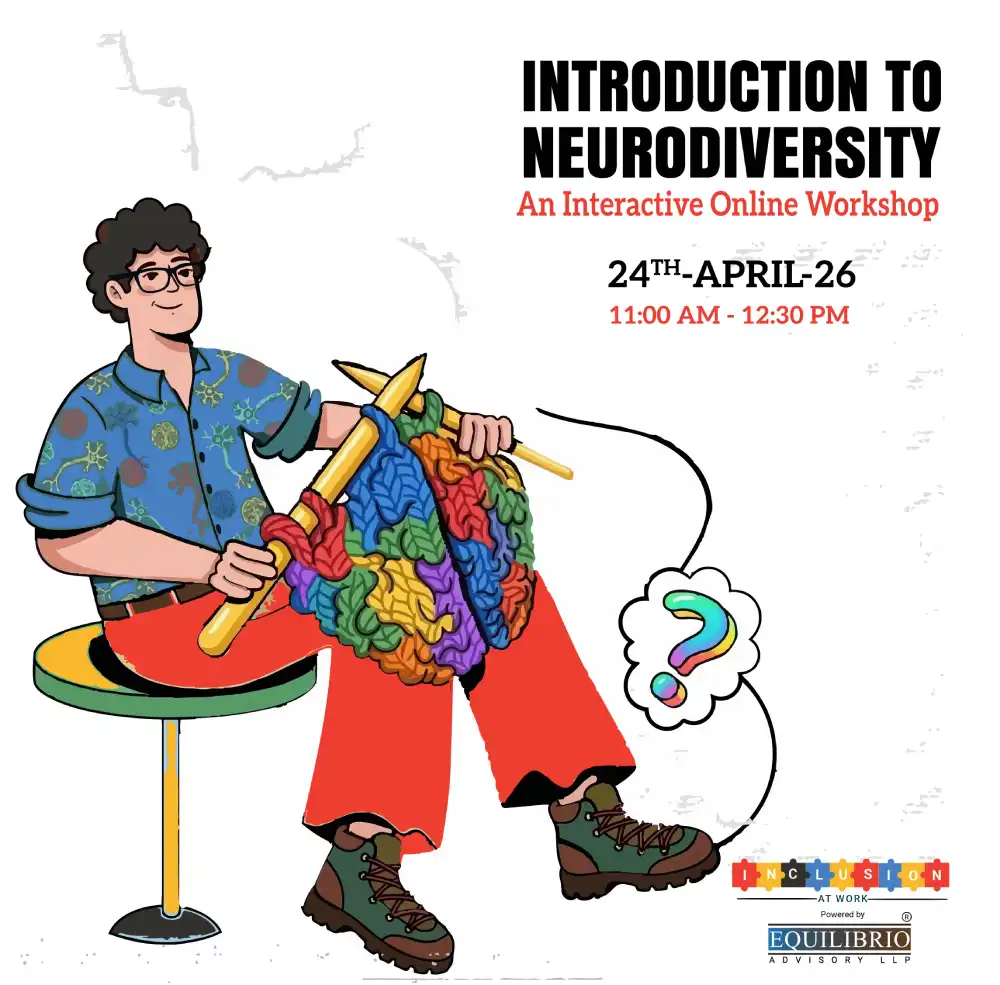
Join this beginner-friendly online workshop to explore neurodiversity, autism, and neurodivergence. Learn key concepts, common traits, and inclusive approaches while understanding ableism, neuronormativity, and gender intersections. Discover the impact of language and how to build neuro-affirmative, inclusive workplaces. Start your journey toward awareness, empathy, and meaningful change.

In the Spotlight!

Explore ways to build your knowledge and capacity with our team of in-house experts!

Safety goes beyond protection. it means being seen, affirmed, and having agency over your identity. Our practitioners respond to the recent Transgender Act amendments with honesty and care. You don’t have to navigate this alone. We stand in solidarity with trans and gender-diverse communities, advocating for dignity, inclusion, and support.

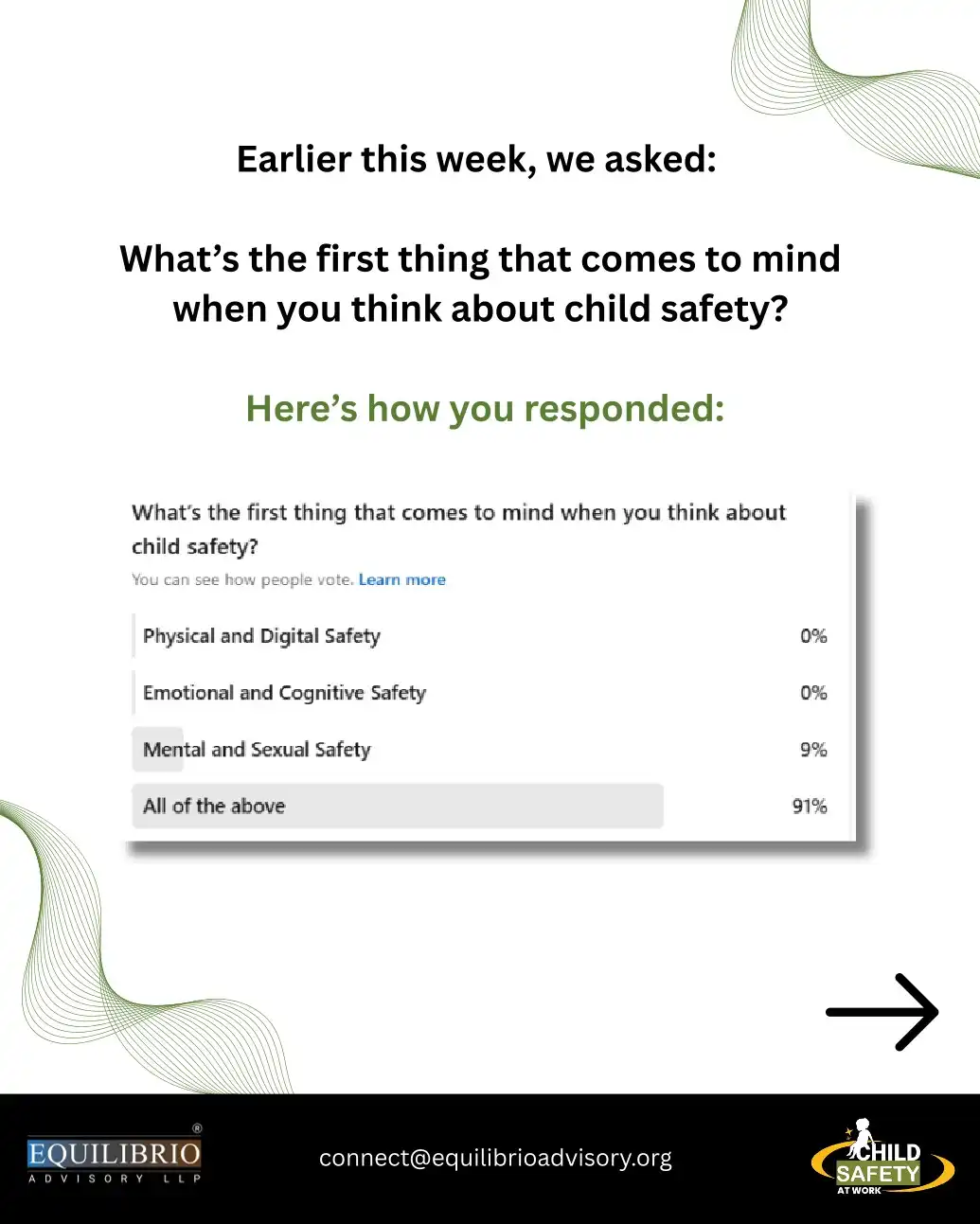
When we think about keeping children safe, it has to go beyond just protection. True safety is holistic, it cares for a child’s overall wellbeing. That’s the foundation of Child Safety at Work, where we work at the intersection of law and psychosocial approaches to build systems that safeguard children.
 
Discover how our holistic approach moves beyond checklists and compliance to create environments that are preventive, nurturing, and empowering:
 
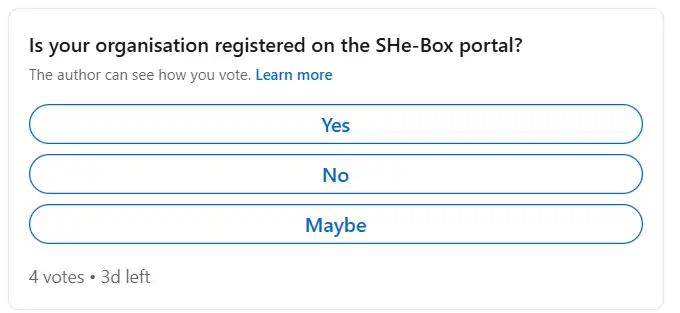
We are glad to share that we have successfully supported 250+ organisations with their SHe-Box registrations.
 
A question that is increasingly becoming central to POSH compliance discussions and audit checks.
 
At Equilibrio Advisory LLP, we have been working closely with organisations to strengthen their POSH frameworks not just at a policy level, but in how compliance is implemented in practice.

Stay Current!

~ Spotlighting Landmark Judgments since passing of the Law!

I - LEGAL UPDATES

The Bombay High Court held that domestic enquiries conducted prior to the enactment of the POSH Act remain valid, provided they were carried out in accordance with applicable service rules and principles of natural justice. The absence of a POSH-compliant Internal Committee at the time does not invalidate such proceedings.

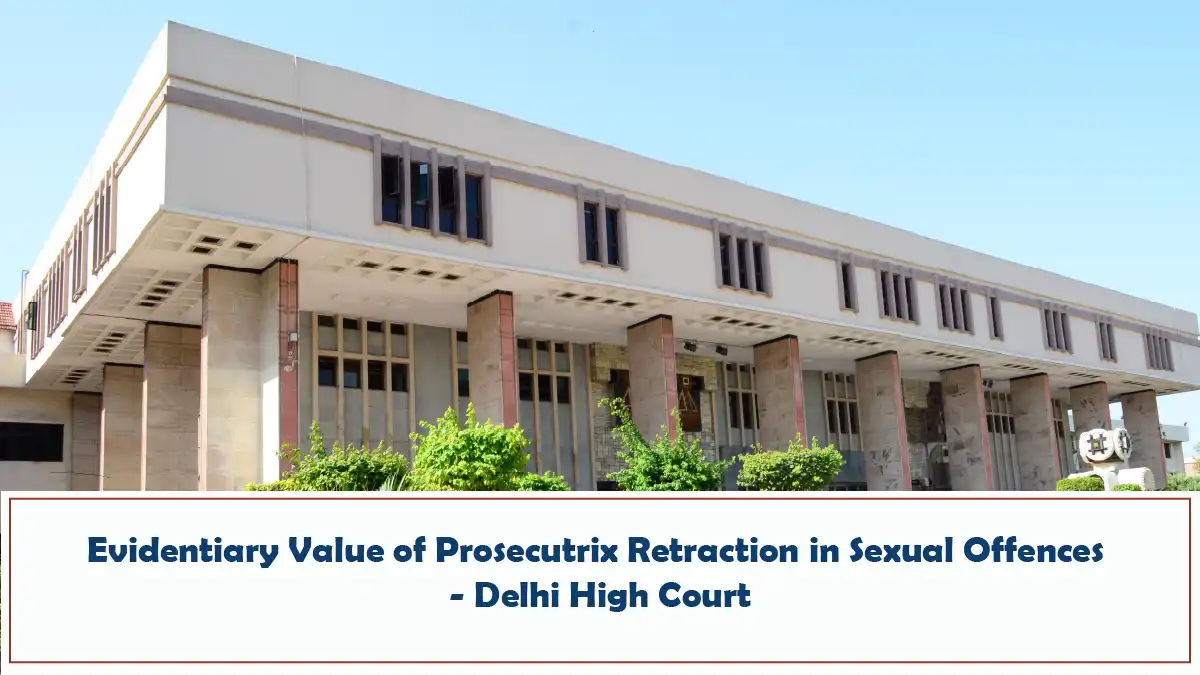
The Delhi High Court denied bail in a POCSO case, reiterating that inconsistencies or retraction in the survivor’s statements cannot be conclusively assessed at the bail stage. The Court emphasized that the seriousness of the allegations and statutory presumptions under POCSO outweigh such factors, which are to be examined during trial.
II - Exploring Intersections
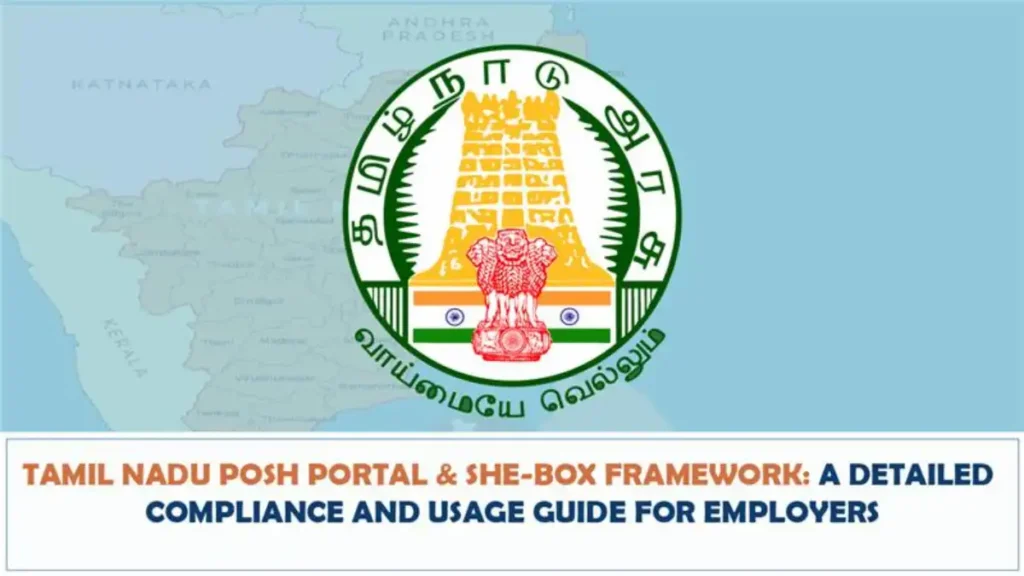
The Tamil Nadu POSH portal signals a shift towards structured, state-level monitoring of compliance, similar to the SHe-Box framework. Organisations are now expected to ensure alignment between internal records and portal disclosures, reinforcing transparency, consistency, and demonstrable compliance under the POSH regime.

The Transgender Persons (Amendment) Act, 2026 marks a significant shift in India’s legal framework by narrowing the definition of transgender persons and introducing a medical certification process for identity recognition. The move has raised concerns around the dilution of the right to self-identification recognised in NALSA v. Union of India (2014) and signals a more regulated, and potentially exclusionary, approach to transgender rights.
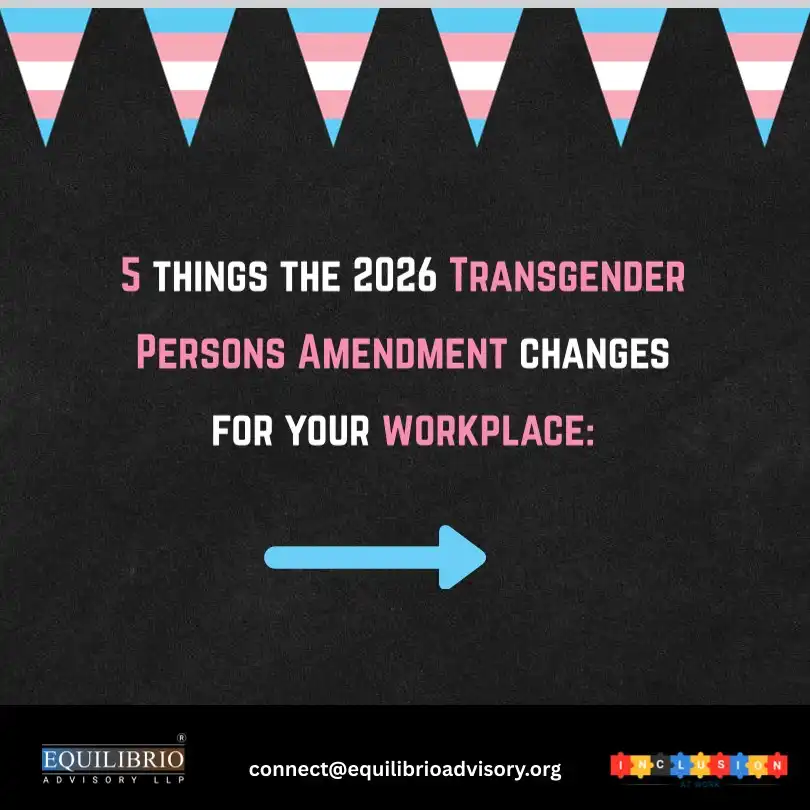
The 2026 Transgender Persons Amendment reshapes workplace realitiesfrom narrowed legal recognition to mandatory certification and evolving documentation needs. As the gap between law and dignity widens, organisations must go beyond compliance. Review your POSH and HR policies to ensure inclusive, sensitive, and values-driven support for transgender and gender-diverse employees.
 

Engage with us!

Here's your weekly food for thought through a Fun Fact or Quiz.

Did you know that a bra designed by a woman who lost her aunt to breast cancer could revolutionize early detection?
 
MIT scientist Canan Dagdeviren was deeply affected when her aunt, Fatma, passed away from late-stage breast cancer, a cancer that her regular screenings unfortunately missed. Six months after her aunt’s passing, Canan began envisioning a wearable breast ultrasound.
 
This vision has now materialized into the Ultrasound Breast Patch (cUSBr-Patch). This innovative, soft, and flexible device is designed to be worn inside a bra, empowering individuals to perform self-scans of their breast tissue from various angles, at their convenience. The patch captures high-resolution images, comparable in sharpness to hospital-grade ultrasounds, and is capable of detecting tumors as small as 0.3 cm – potentially identifying cancers much earlier than current methods.
 
This remarkable development exemplifies the power of women leading in science. Grief has been transformed into ingenious life-saving technology, offering a new opportunity to potentially save millions of lives.
c02bbaf6 fc35 7347 ca00 23233194fcd9

Have a burning question about POSH? Maybe Mental Health at Work, Child safety or DEI&B strategies? Drop us an email with your query and we would love to answer it, in all seriousness.

Curious Cat:
Why is there under-reporting of transgender violence in India, and how can this critical issue be addressed?
 
Answer:
Recent research highlights the significant challenges faced by the trans community in India regarding violence and its reporting. A 2025 study published in the journal Transgender Health, which analyzed data from 4,964 trans individuals surveyed in India between 2014–15, revealed that 27.2% of participants had experienced physical violence, and 22.3% had experienced sexual violence within the preceding 12 months.
 
A major barrier to accurate reporting is the pervasive fear trans individuals have of approaching law enforcement. Sadly, police and legal officials often negate their identities, and in some instances, complainants may face further violence – physical, verbal, or sexual – from these very authorities. Compounding this, many complaints filed by trans individuals are misgendered due to a lack of proper legal identification.
 
To effectively address this under-reporting and the violence itself, there is an urgent need for increased awareness surrounding the unique challenges the trans community faces. Crucially, India requires laws and policies that actively bridge this gap through inclusive and affirmative measures, ensuring justice and safety for all. To know more about the legal remedies the trans community can access in India, read this article.
Here’s all the tools you need to build safe and equitable workspaces! Drop us a Hey, to get started!

Comments are closed.