
The Equilibrio Gazette
A brief buletin for building safe workspaces!
This weekly newsletter is your gateway to staying current on relevant laws (like POSH, POCSO, Transgender Persons Act, etc.) and the psychosocial intersections that impact the workplace.
1st October 2026 | Issue No. 153
Upcoming Events
Mark your calendars! In this section, we highlight an upcoming event you won't want to miss.
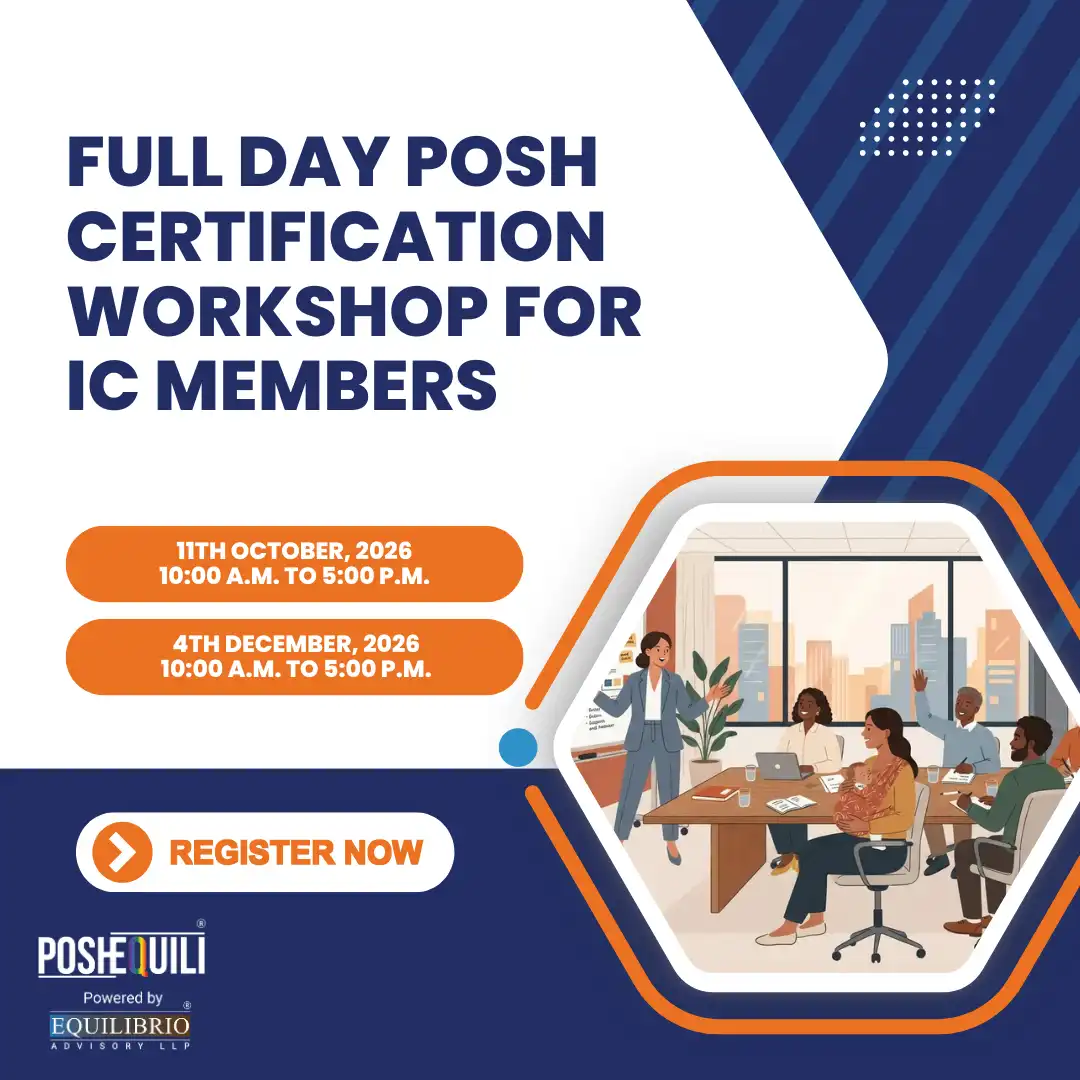
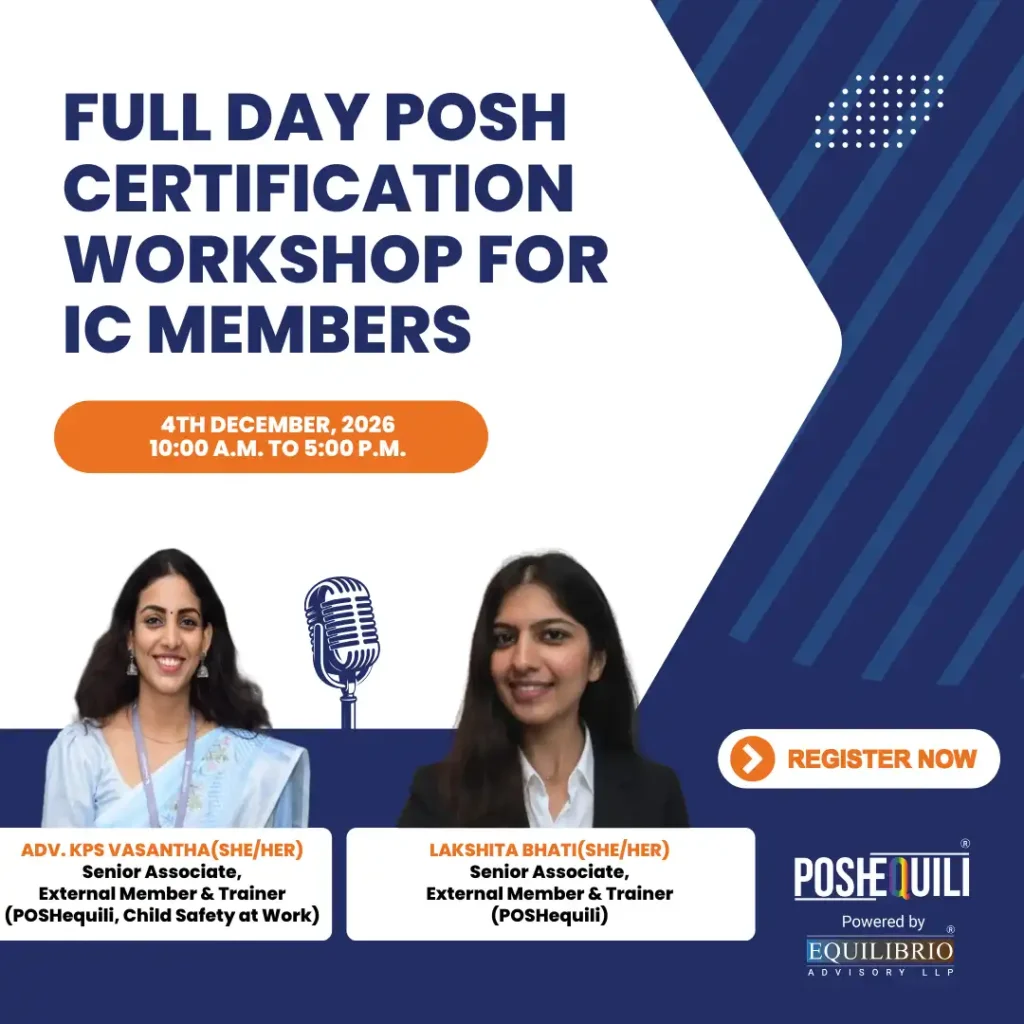
Strengthen your professional expertise in POSH.
Our POSH Training for Internal Committee Members builds practical knowledge to handle complaints, document evidence, follow due process, maintain confidentiality, and understand the responsibilities of an IC member under the POSH Act, 2013.
Whether you’re an existing IC member or building expertise in POSH, upgrade your skills and complete your 2026 training compliance.
In the Spotlight!
Explore ways to build your knowledge and capacity with our team of in-house experts!
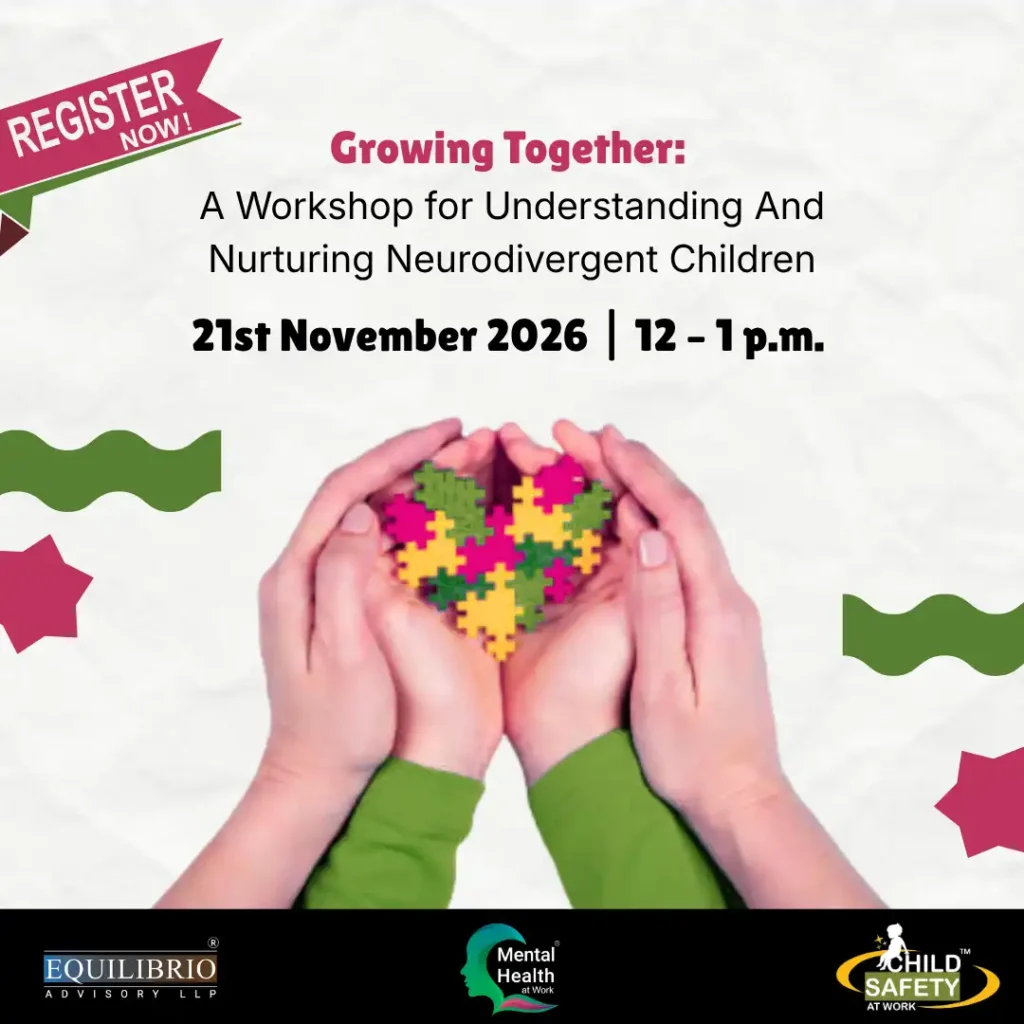
Child safety is a shared responsibility.
Creating safer spaces means recognising risks, reporting abuse, supporting children who experience harm, and ensuring their voices are heard and protected.
Awareness must translate into action, accountability, and a commitment to the child’s best interests.
We all have a role to play in building safer spaces for children and young people.
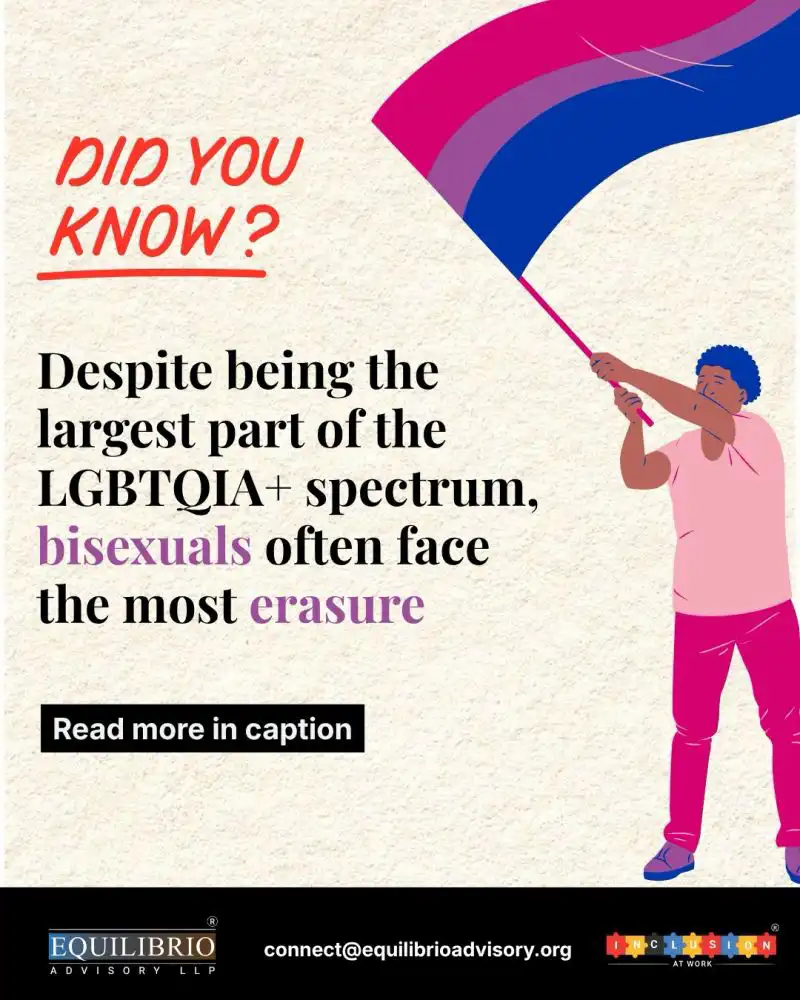
Bisexual people continue to face invisibility, biphobia, and stereotypes that can invalidate their identities- both within and outside the LGBTQIA+ community.
This Bisexual Awareness Week, let’s challenge these myths, make space for bi+ voices, and recognise the diversity and contributions of the bisexual community to the broader movement for LGBTQIA+ inclusion.
Visibility matters. Inclusion means being seen, heard, and respected.
As Suicide Prevention Month comes to a close, the need for awareness, support, and action doesn’t disappear with the calendar.
This month reminded us that awareness without infrastructure is not enough. What protects people are systems they can rely on, relationships where they feel safe to say “I’m not okay,” and workplaces and institutions that recognise how mental health and marginalisation intersect.
Let’s carry this forward beyond September by building preventive, supportive spaces and systems that recognise vulnerability before it becomes a crisis.
Stay Current!
~ Spotlighting Landmark Judgments since passing of the Law!
I - LEGAL UPDATES
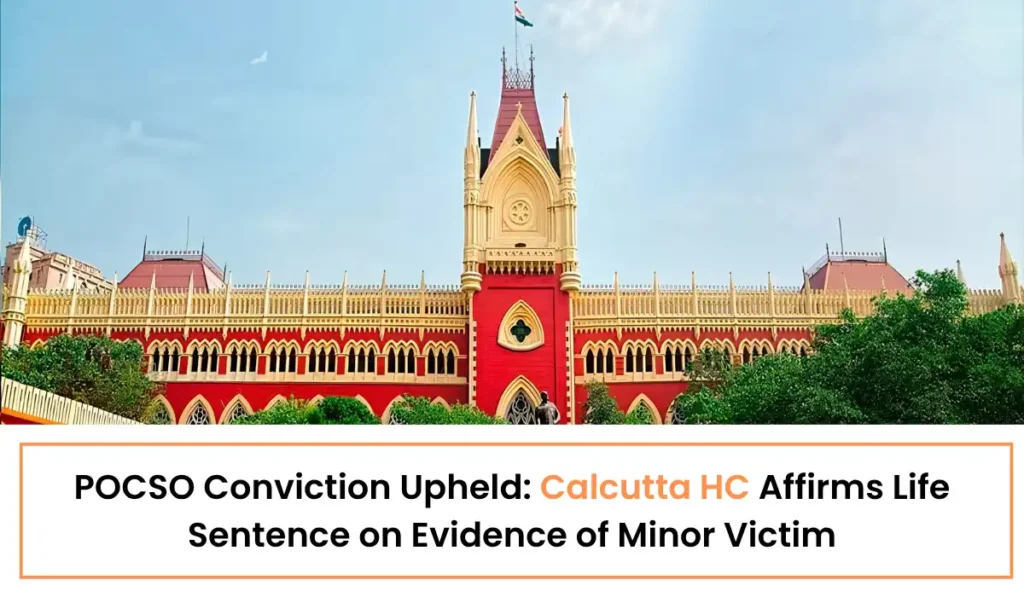
The Calcutta High Court upheld the conviction under Section 6 of the POCSO Act, holding that the victim’s minority was sufficiently established through documentary and medical evidence. The Court found her testimony credible and consistent, and held that delayed disclosure did not undermine the prosecution where the accused was her father. It further clarified that absence of DNA profiling is not fatal where other reliable evidence establishes the offence. Upon foundational facts being proved, the presumption under Section 29 POCSO was held applicable.
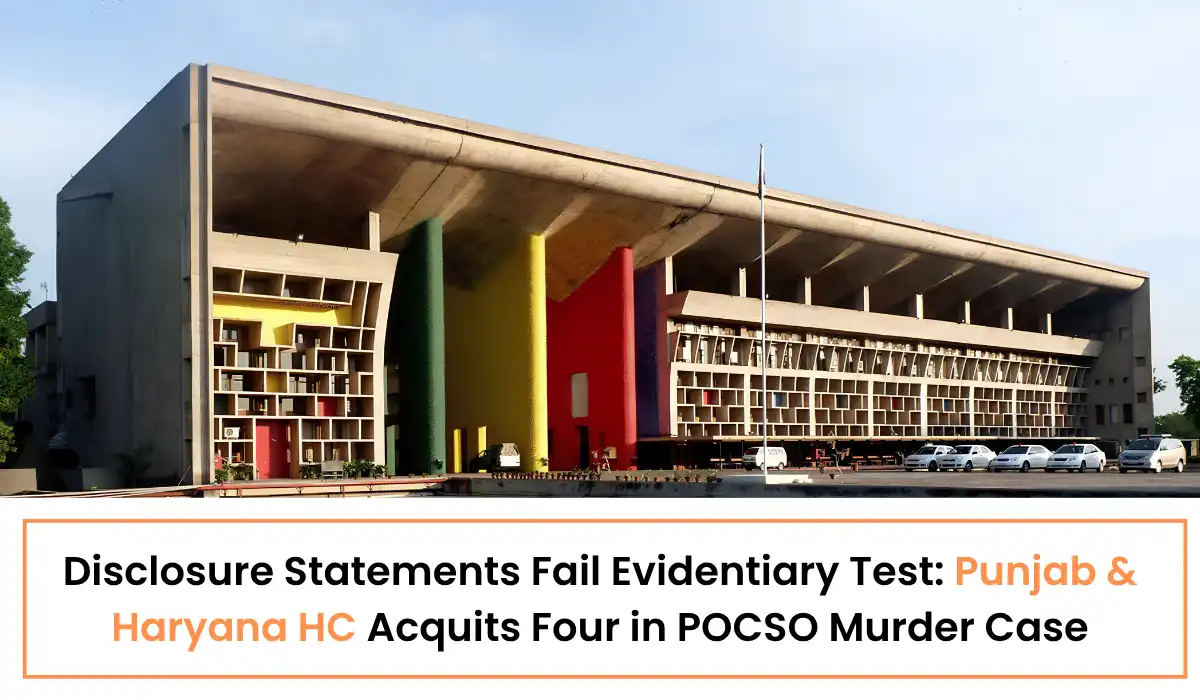
The Punjab and Haryana High Court acquitted the accused after finding that the prosecution failed to establish their connection with the sexual assaults and deaths. The Court held that Section 164 CrPC statements are not substantive evidence and cannot substitute for testimony tested through cross-examination. It also found the alleged recoveries legally deficient under Section 27 of the Evidence Act, as the relevant objects were already known to investigators. In the absence of reliable connecting evidence, the convictions and death sentences were set aside.
II - Exploring Intersections
For International Week of Happiness at Work, we reflected on the people, experiences, learning, growth, appreciation, and sense of purpose that shape our experience at work.
Because workplace happiness isn’t just about perks- it’s about feeling supported, valued, connected, and able to grow.
Here’s to creating workplaces where people can do meaningful work and feel good doing it.
Engage with us!
Here's your weekly food for thought through a Fun Fact or Quiz.
Did you know that Deaf urban planner Amanprit Arnold is challenging us to rethink architecture by asking what buildings would look like if designed for Deaf people from the very first sketch? Her campaign, DeafCity Hub, envisions a permanent Deaf-led cultural center in London. Currently, “accessibility” is often an afterthought; an interpreter or captions added to a room designed entirely for hearing people. In contrast, Arnold’s vision utilizes the “DeafSpace” design philosophy, which prioritizes sightlines, circular seating to keep hands visible, and wider corridors to allow for signing while walking.
These architectural features, including reflective surfaces and soft lighting, highlight the specific ways Deaf people communicate and navigate their environment. By moving beyond temporary accommodations, DeafCity Hub demonstrates that true accessibility should be embedded into the core structure of our spaces. Those who understand these needs most intimately deserve the power to lead the design process.

Have a burning question about POSH? Maybe Mental Health at Work, Child safety or DEI&B strategies? Drop us an email with your query and we would love to answer it, in all seriousness.
Curious Cat:
What is “microfeminism,” and how does it challenge traditional gender roles through everyday actions?
Answer:
Microfeminism refers to small, intentional acts of resistance designed to subvert daily gender inequalities and biases. Coined on TikTok in early 2024 by producer Ashley Chaney, the term purposefully mirrors “microaggressions” to highlight how frequent, subtle sexism—such as assuming women do the domestic labor or doubting their professional status—shapes our world.
Rather than waiting for large-scale systemic shifts, micro-feminists take immediate, personal stances to disrupt these expectations. Examples include defaulting to feminine pronouns when a gender is unknown, using “Thank Goddess” instead of traditional phrases, or referring to leaders as “she” by default. By consistently pushing back against the “expected” script around gender roles, microfeminism highlights that while large-scale activism is vital, our daily habits are powerful tools as well. For reclaiming space and dismantling the deep-seated gender biases that remain embedded in our societal fabric.

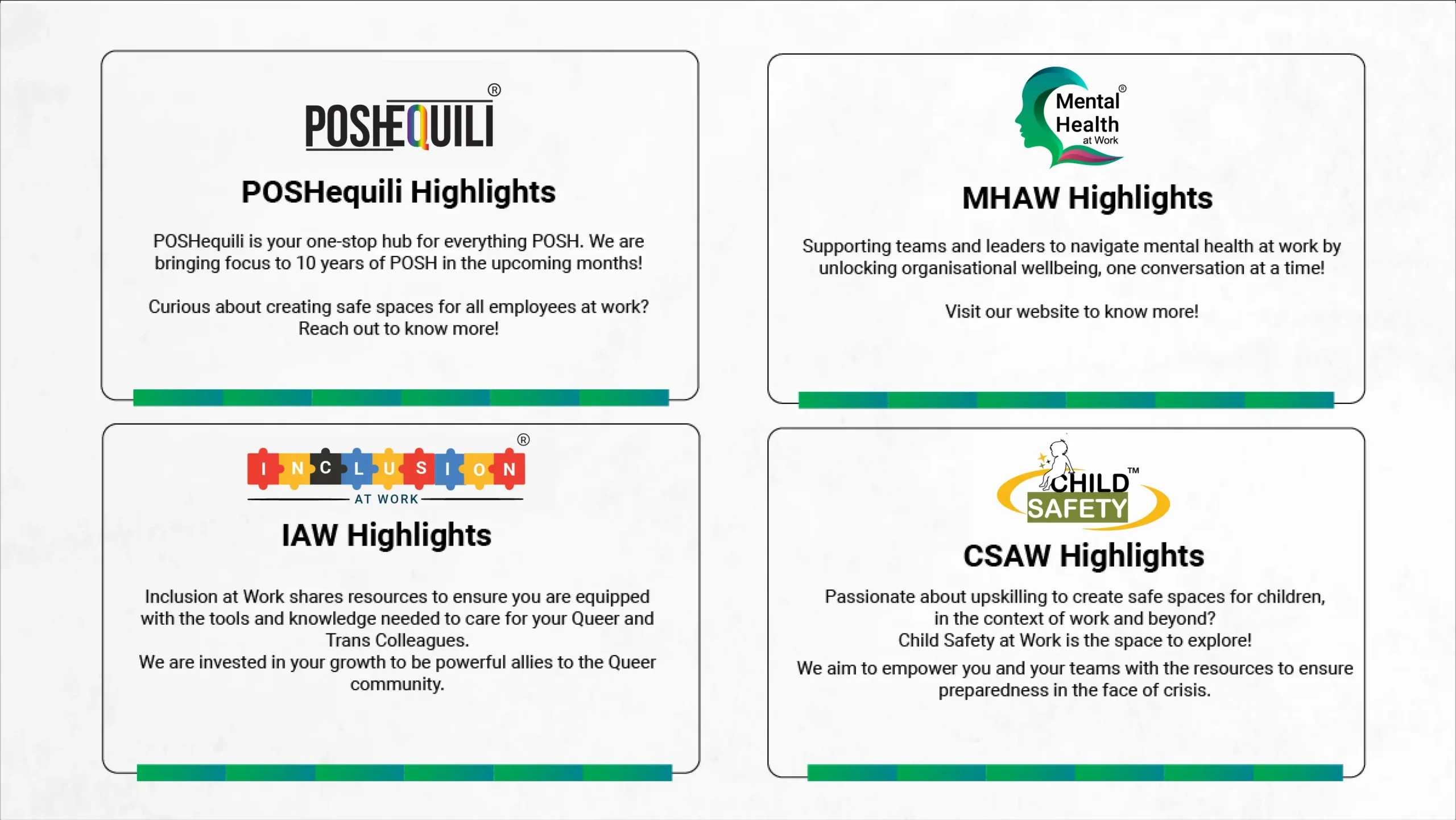
Here’s all the tools you need to build safe and equitable workspaces!
Drop us a Hey, to get started!