

Latest Edition Newsletter
The Equilibrio Gazette
A brief buletin for building safe workspaces!
This weekly newsletter is your gateway to staying current on relevant laws (like POSH, POCSO, Transgender Persons Act, etc.) and the psychosocial intersections that impact the workplace.
11th September 2026 | Issue No. 150
Upcoming Events
Mark your calendars! In this section, we highlight an upcoming event you won't want to miss.
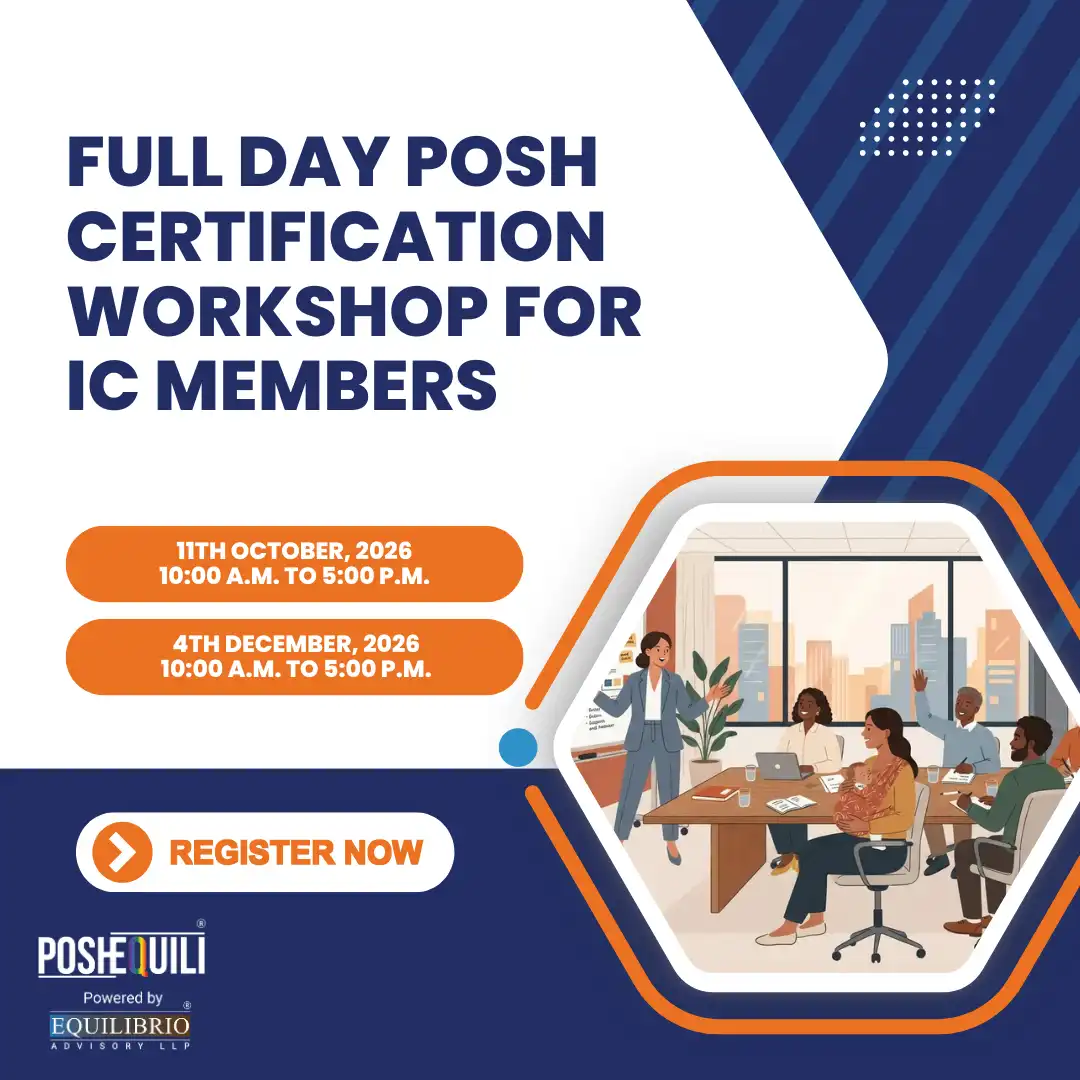
It’s here.
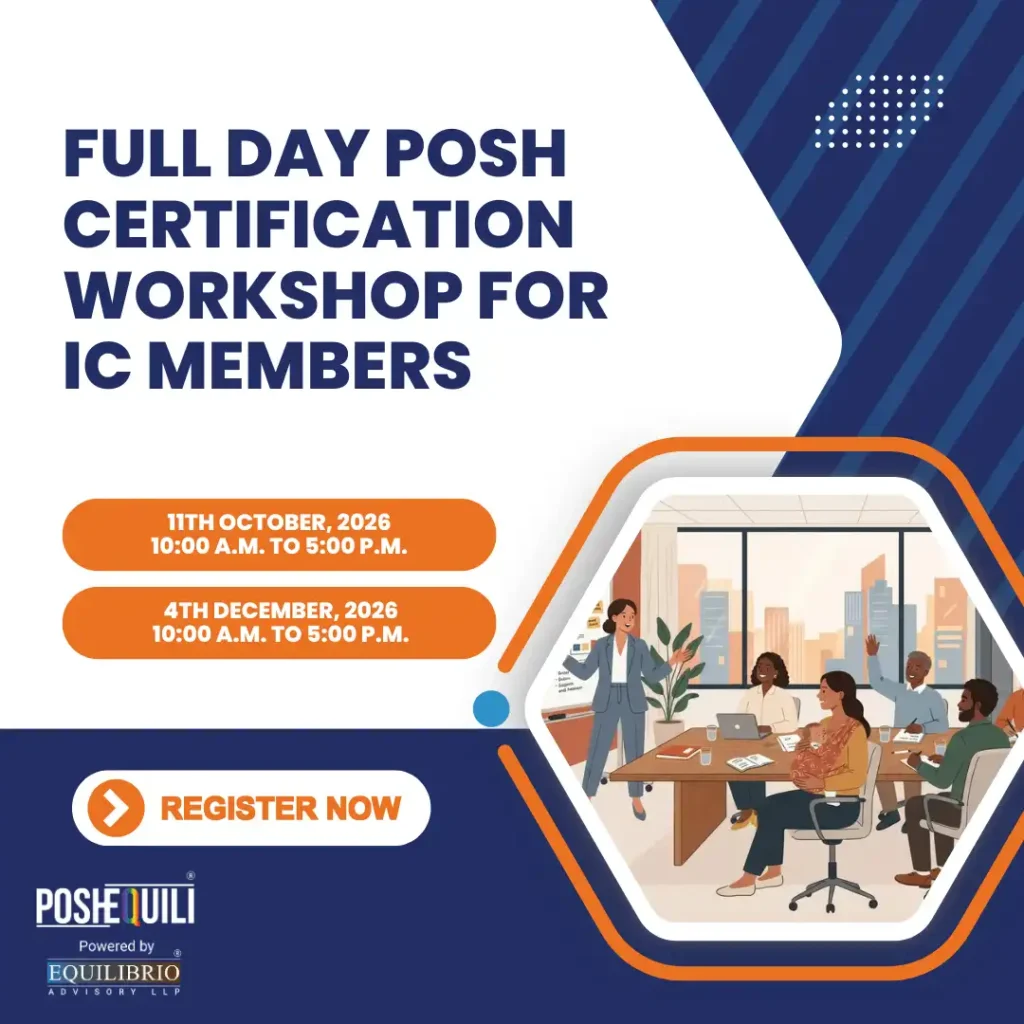
The IC workshop built around what actually happens when a complaint lands on the table.
No evidence. Conflicting accounts. Digital conduct. Consensual relationships turning contentious. Ambiguous evidence.
These aren’t edge cases. They’re cases ICs actually face.
Go beyond what the law says. Build the confidence to navigate what complaints actually bring.
In the Spotlight!
Explore ways to build your knowledge and capacity with our team of in-house experts!
September is Suicide Prevention Month.
Prevention lives in everyday moments: the colleague who checks in, the friend who stays, the manager who notices, and cultures where it’s safe to say, “I’m not okay.”
This month, we’re holding space for conversations that make care, connection and prevention more possible.
Prevention begins long before a crisis.
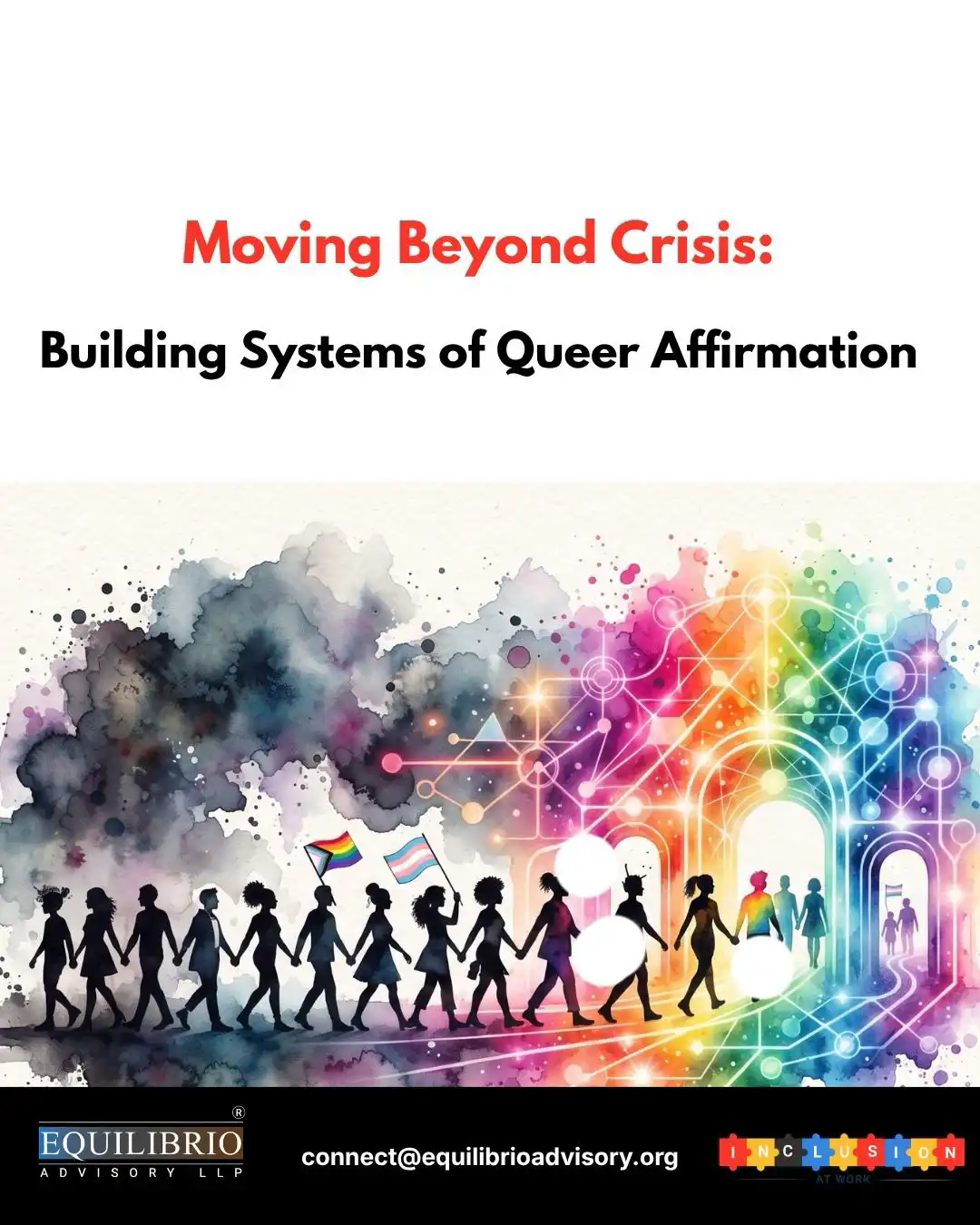
Suicide prevention means addressing the systemic barriers that erode mental health. For queer and trans individuals, true prevention is rooted in affirmation, dignity and safety.
Workplaces can act through anti-discrimination policies, gender-neutral language, inclusive infrastructure and accessible grievance mechanisms.
Affirmation isn’t passive. It’s a structural commitment to dignity.
Understanding the POSH Act goes beyond knowing the law-it’s about knowing what compliance requires in practice. This resource breaks down the Sexual Harassment of Women at Workplace Act & Rules, 2013, covering key employer duties, Internal Committee requirements, prevention measures and redressal mechanisms.

Stay Current!
~ Spotlighting Landmark Judgments since passing of the Law!
I - LEGAL UPDATES
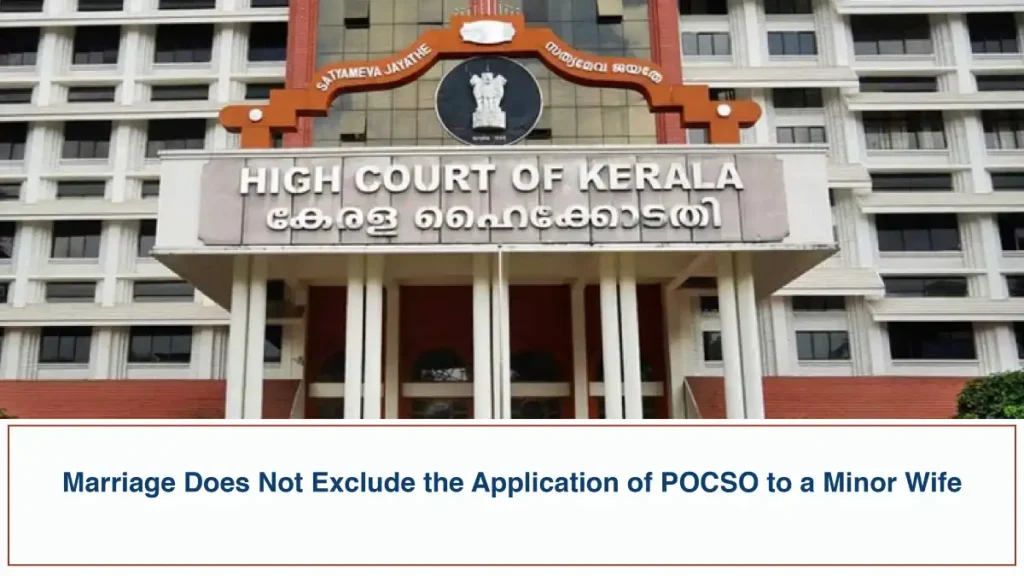
The Kerala High Court held that the protection afforded by POCSO applies irrespective of the marital status of the minor. Sexual intercourse with a person below 18 years attracts POCSO, even where the accused claims to be the child’s spouse under personal law. Relying on Independent Thought v. Union of India, the Court also held that the marital exception to rape cannot protect intercourse with a wife below 18 years.
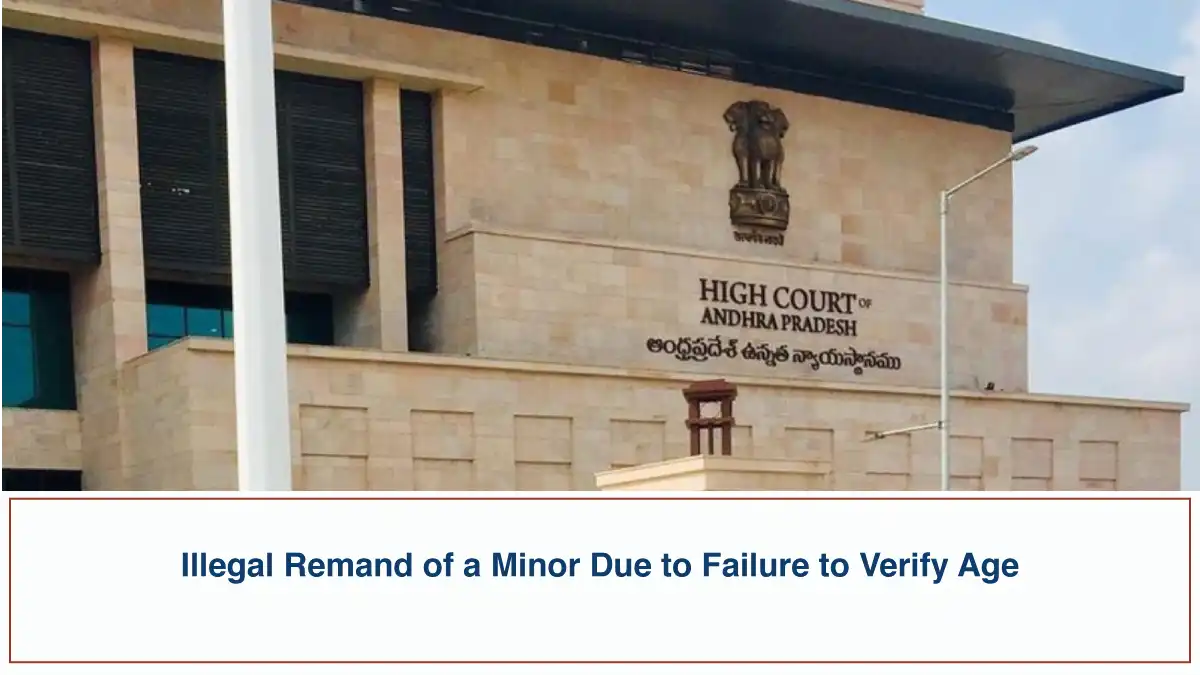
The Andhra Pradesh High Court set aside the remand of a minor who had been incorrectly treated as an adult due to failure to properly verify his date of birth. The Court held that authorities must verify a child’s age and ensure that a child in conflict with law is dealt with under the Juvenile Justice Act. The illegal remand was set aside, the child was ordered to be released, and costs were imposed on the police officer responsible.

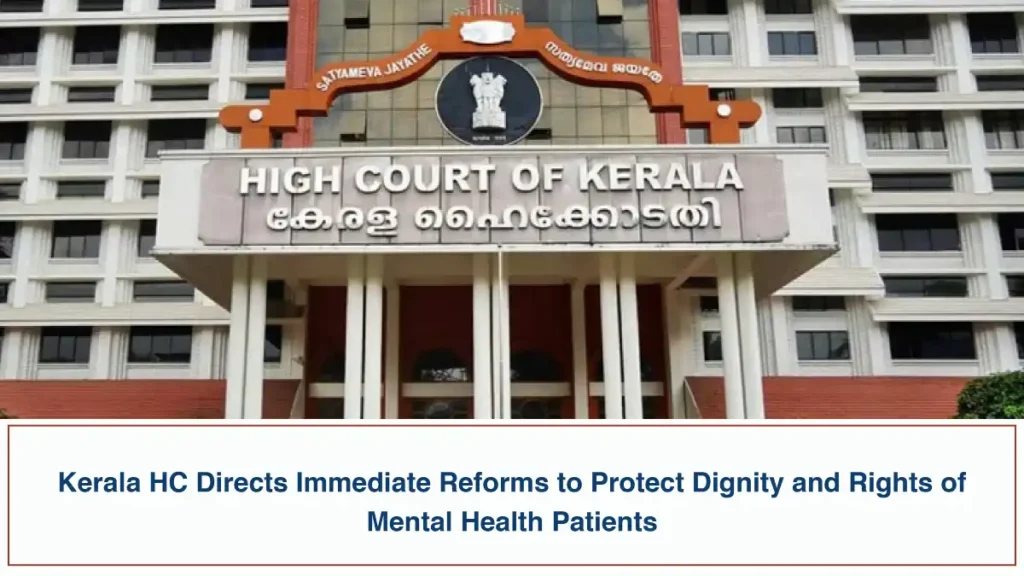
The Kerala High Court directed immediate reforms in Mental Health Centres to safeguard patients’ dignity and constitutional rights. The Court held that lack of resources cannot justify continued human-rights violations and required adequate staffing, secure premises, continuous availability of medicines and transport facilities. The judgment emphasises that vulnerable persons must be treated with dignity and that institutional safeguards require effective implementation, infrastructure and supervision rather than merely formal compliance.
II - Exploring Intersections
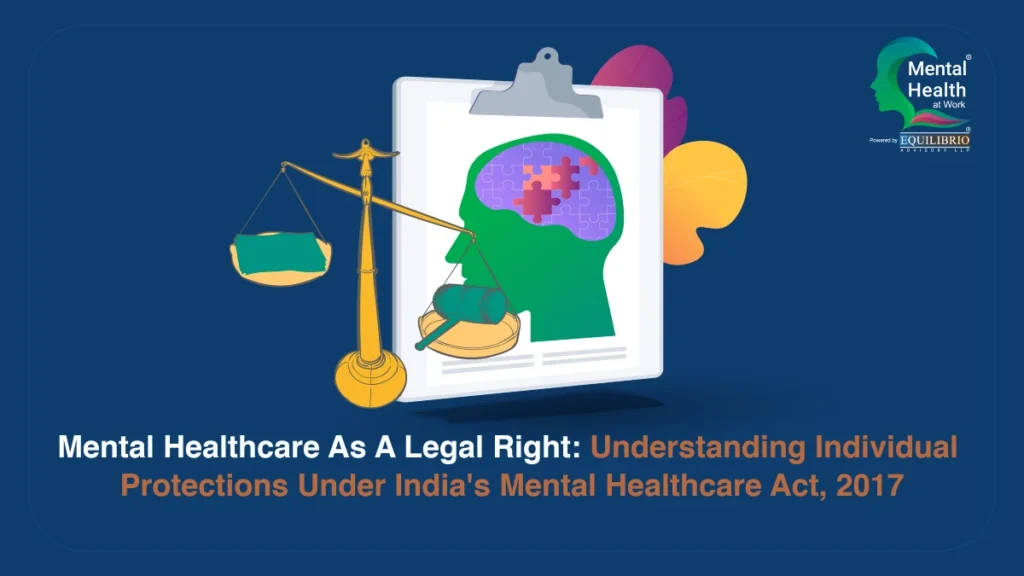
What does the Mental Healthcare Act, 2017 mean for employers?
This article explores where mental health intersects with employment law from confidentiality and reasonable accommodation to workplace decisions, disability rights and the limits of employer responsibility.
Understand the legal framework and what organisations can do to build more equitable, psychologically safe workplaces.
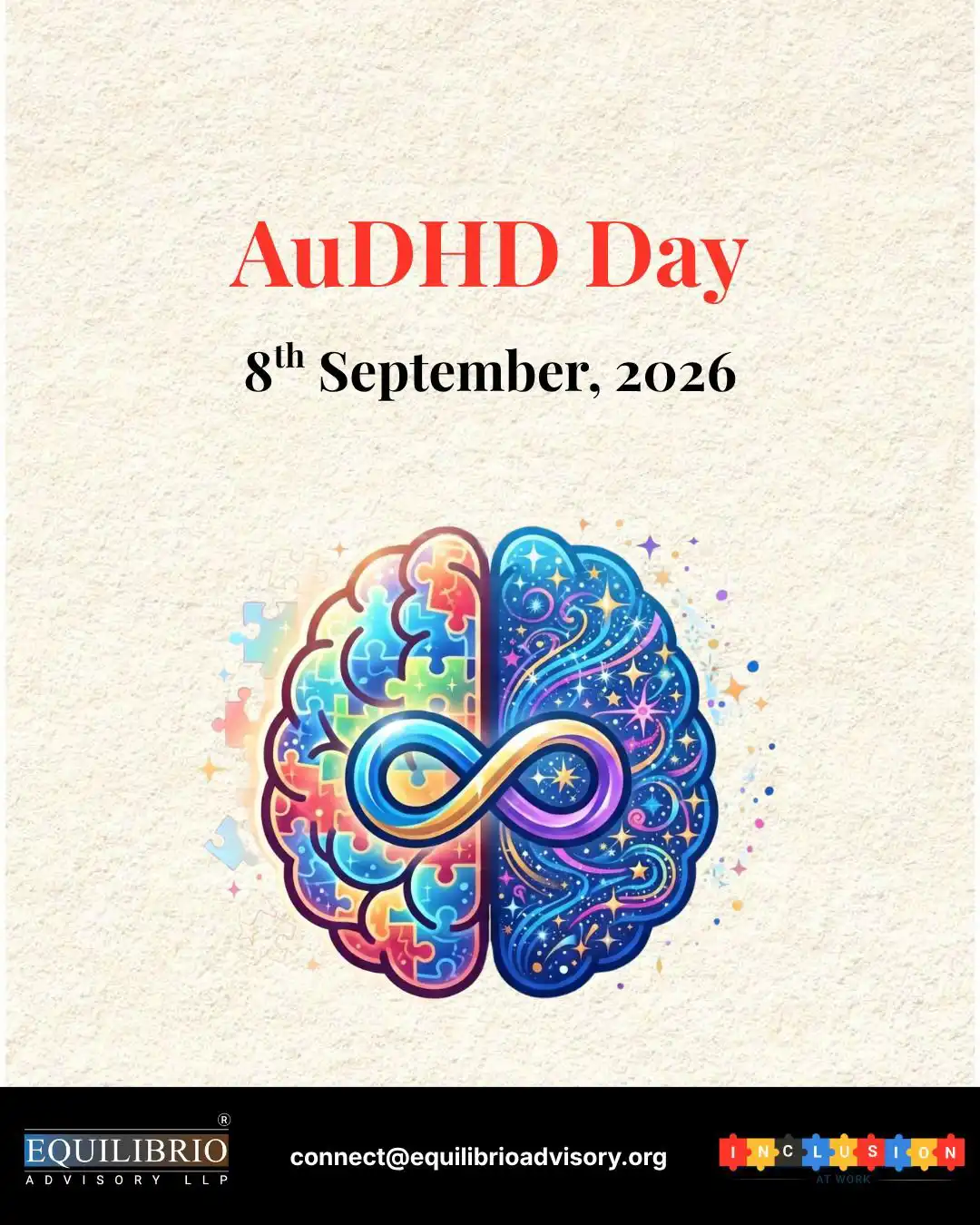
AuDHD isn’t a clinical diagnosis-it’s a term rooted in lived experience, describing the intersection of autism and ADHD.
Supporting AuDHD employees means moving beyond one-size-fits-all inclusion. Flexible work, sensory-friendly spaces and diverse communication can reduce masking and create room for neurodivergent people to thrive.
Inclusion means redesigning the box, not fitting people into it.
Engage with us!
Here's your weekly food for thought through a Fun Fact or Quiz.
Did you know that the powerful documentary “Yanuni” has been selected in the long list of nominations for “Best Documentary Feature”? It offers a raw, intimate look at the climate crisis through the eyes of Indigenous leader Juma Xipaya. While confronting illegal miners and land grabbers in Brazil, Juma has survived six assassination attempts, turning the struggle for her territory into a dangerous, daily reality for her and her husband, Hugo Loss. The film captures the exhaustion and fear of this life, which is compounded by Juma’s journey through pregnancy
The documentary also stands out for its radical authorship, as Juma co-produced the project. This ensures her community’s story was told with agency rather than through an outsider’s lens.
Following a successful festival run and an Academy shortlist nomination, the 112-minute film is now available for free on YouTube. It serves as a poignant reminder that the climate crisis is not just a policy issue. It is but a deeply personal fight for survival, family, and the protection of our future.

Have a burning question about POSH? Maybe Mental Health at Work, Child safety or DEI&B strategies? Drop us an email with your query and we would love to answer it, in all seriousness.
Curious Cat:
How does changing the language we use around suicide contribute to building a more empathetic and supportive society?
Answer:
Shifting our vocabulary from “committed suicide”, a phrase that implies criminality, to “died by suicide” is a vital step in destigmatizing mental health crises. By removing the language of crime, we acknowledge that suicide is not a moral failing but a profound health struggle, similar to any terminal illness that requires urgent medical intervention.
This linguistic shift is more than just a preference; it actively reduces the shame and judgment that often prevent individuals from seeking the help they deserve. When our societal language is rooted in care rather than condemnation, people are far more likely to feel seen and safe enough to reach out.
This perspective is now solidified in law as well, such as India’s Mental Healthcare Act 2017. It decriminalizes suicide and prioritizes holistic care and rehabilitation over punishment. This creates equitable systems that seek to, ensure that those in distress receive support rather than prosecution.

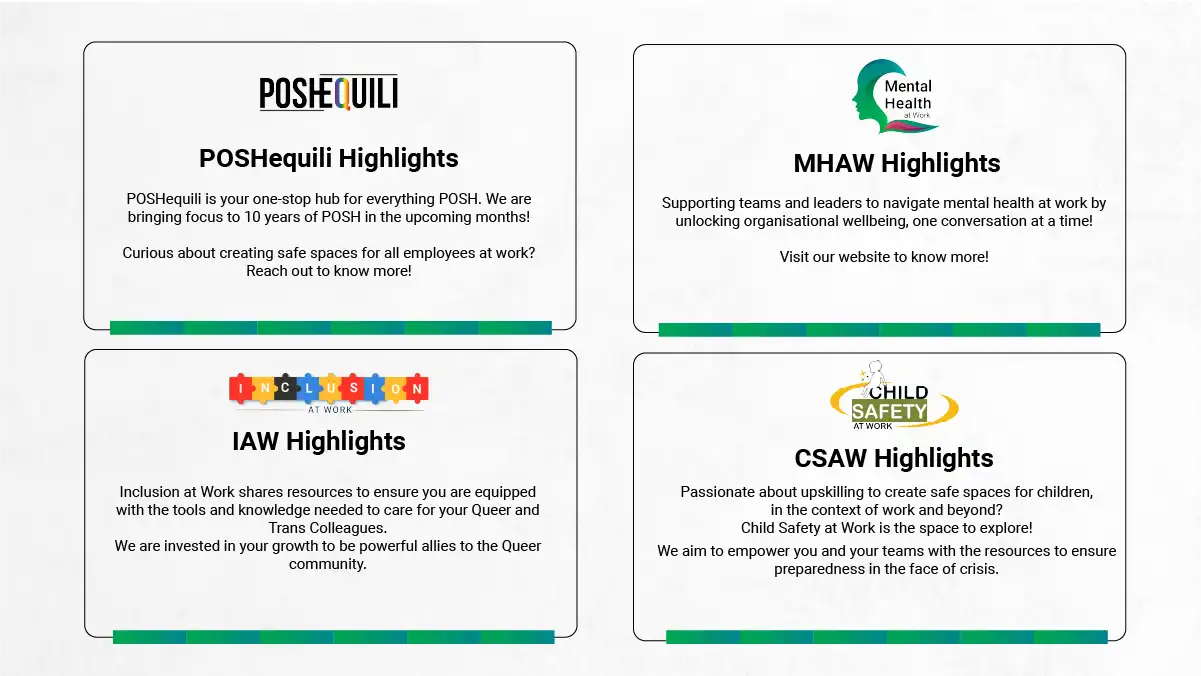
Here’s all the tools you need to build safe and equitable workspaces!
Drop us a Hey, to get started!